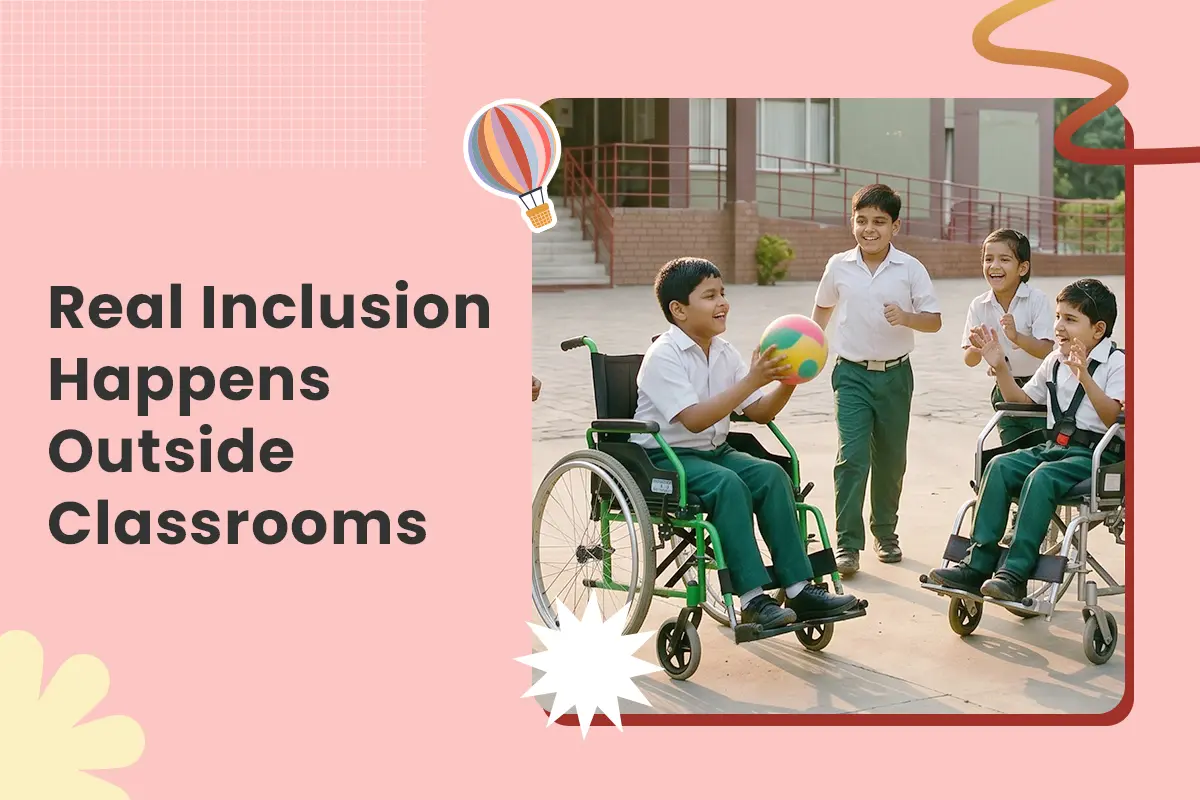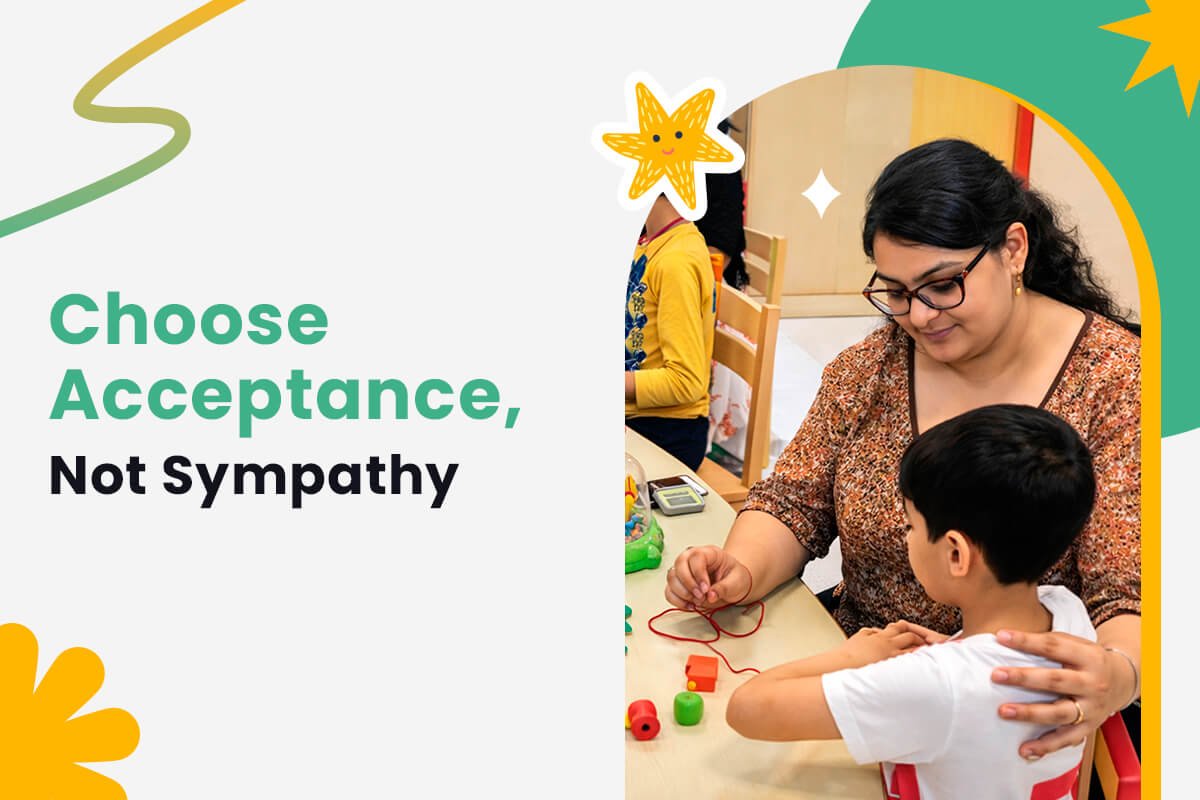
Inclusive education is often spoken about with good intentions, but it is frequently misunderstood. Many people believe that inclusion simply means allowing children with special needs to be present in regular spaces. Others equate inclusion with sympathy—feeling sorry for children who learn differently.
At Sorem Special Children School, we see inclusion differently. True inclusion is not built on sympathy or pity. It is built on acceptance, understanding, and respect.
This blog explores why acceptance matters more than sympathy and how inclusive education can truly support children with diverse learning needs.
Understanding Inclusive Education Beyond Definitions
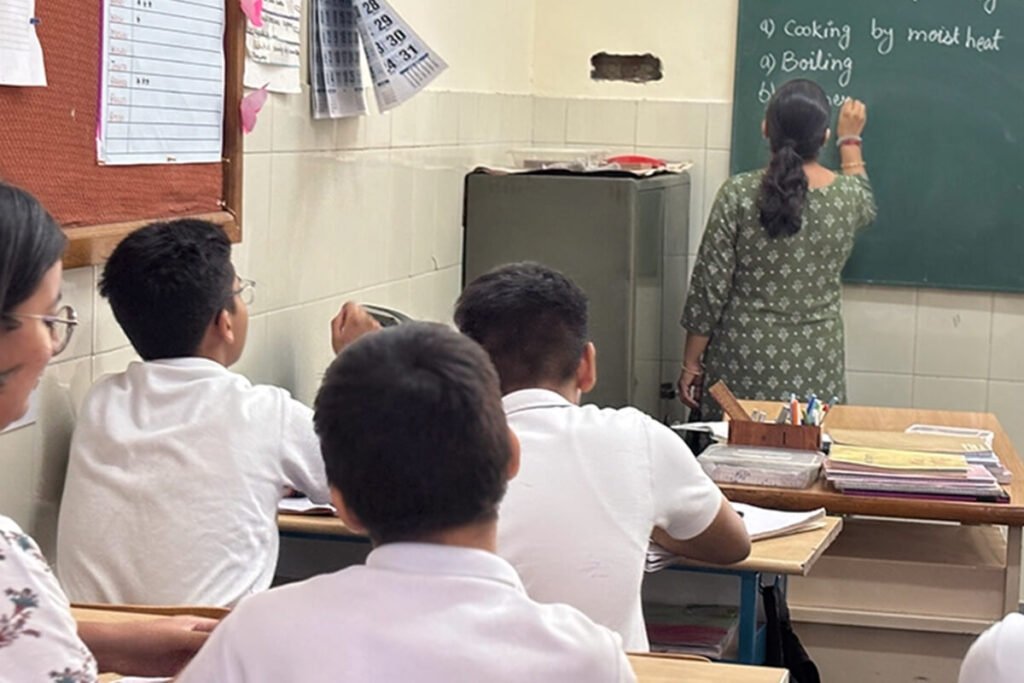
Inclusive education is not about forcing children to fit into systems that were never designed for them. It is about adapting systems to meet children where they are.
True inclusion means:
- Recognising diverse learning needs
- Valuing different abilities
- Creating supportive environments
- Encouraging participation without pressure
Inclusion begins when we stop seeing differences as problems and start seeing them as part of human diversity.
Sympathy vs Acceptance: Understanding the Difference
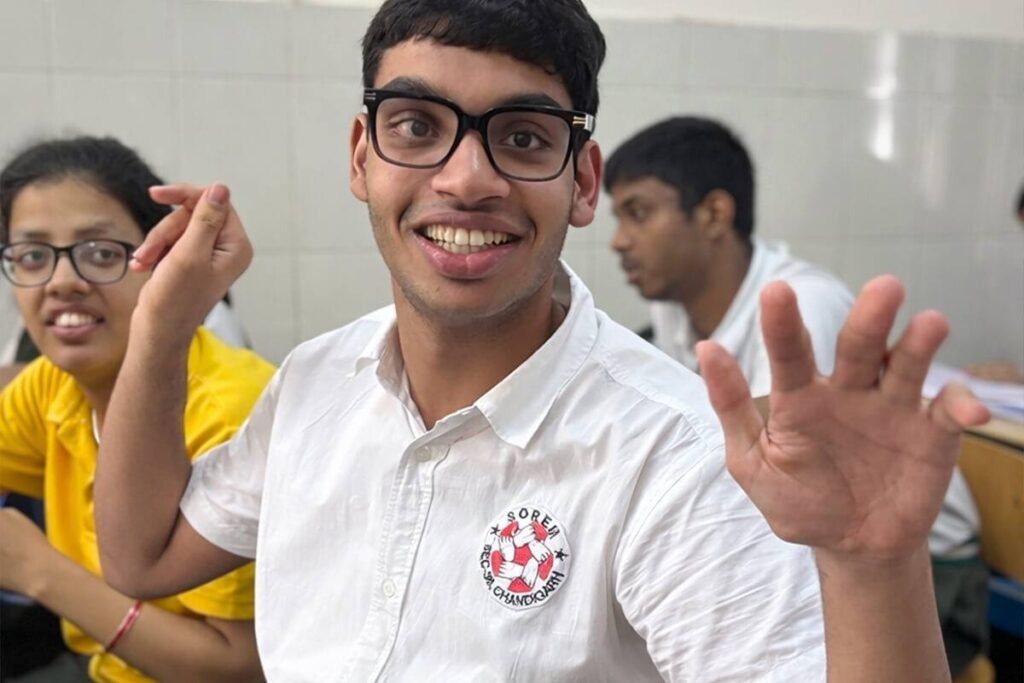
Sympathy often comes from a place of kindness, but it can unintentionally create distance. When children are viewed through a lens of sympathy, they are often seen as fragile, limited, or in need of constant protection.
Acceptance, on the other hand:
- Acknowledges challenges without defining the child by them
- Respects individuality
- Encourages growth and independence
- Builds dignity and confidence
Children do not need to be pitied—they need to be understood and supported.
Why Sympathy Can Be Limiting
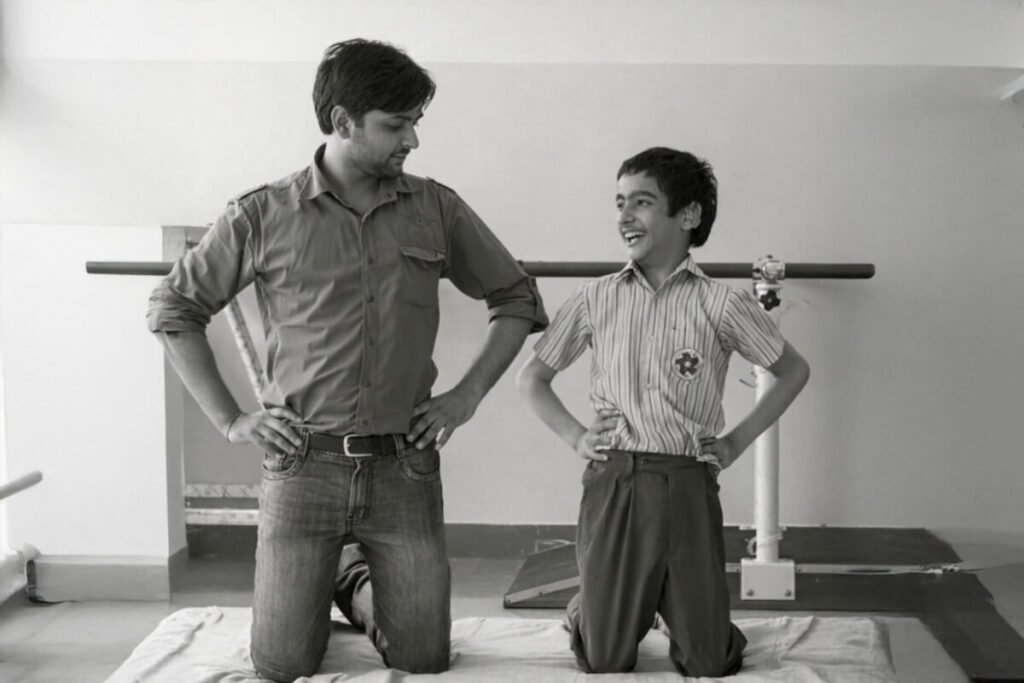
Sympathy may lead to:
- Lower expectations
- Overprotection
- Exclusion disguised as care
- Missed opportunities for growth
When expectations are lowered, children are denied the chance to explore their potential. Acceptance allows children to be challenged appropriately and supported meaningfully.
What Acceptance Looks Like in an Educational Setting
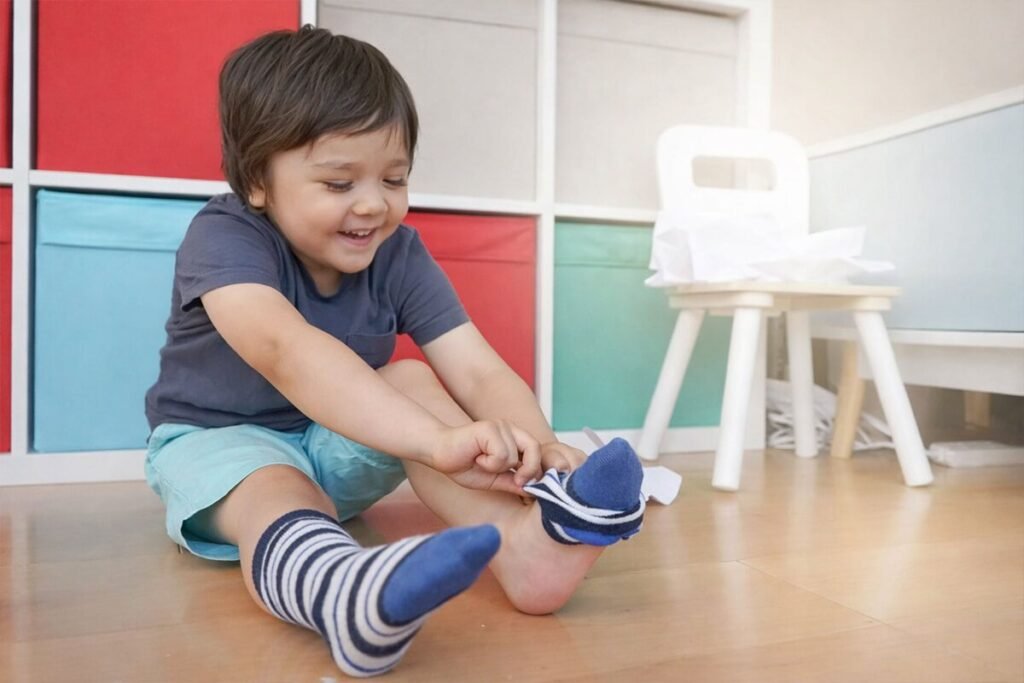
In an inclusive environment rooted in acceptance:
- Children are supported, not compared
- Strengths are recognised alongside challenges
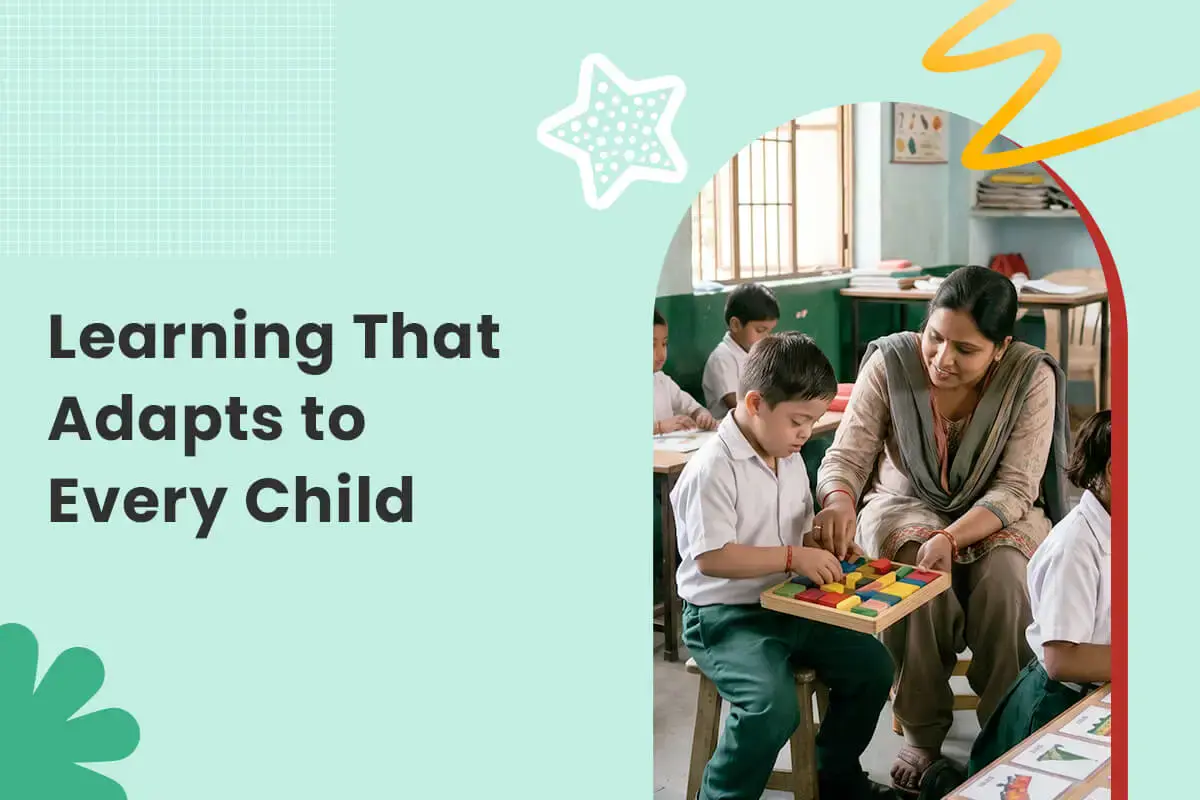
- Learning is flexible and individualised
- Differences are normalised rather than highlighted
At Sorem, acceptance guides how educators teach, how peers interact, and how progress is measured.
The Role of Educators in Building Acceptance
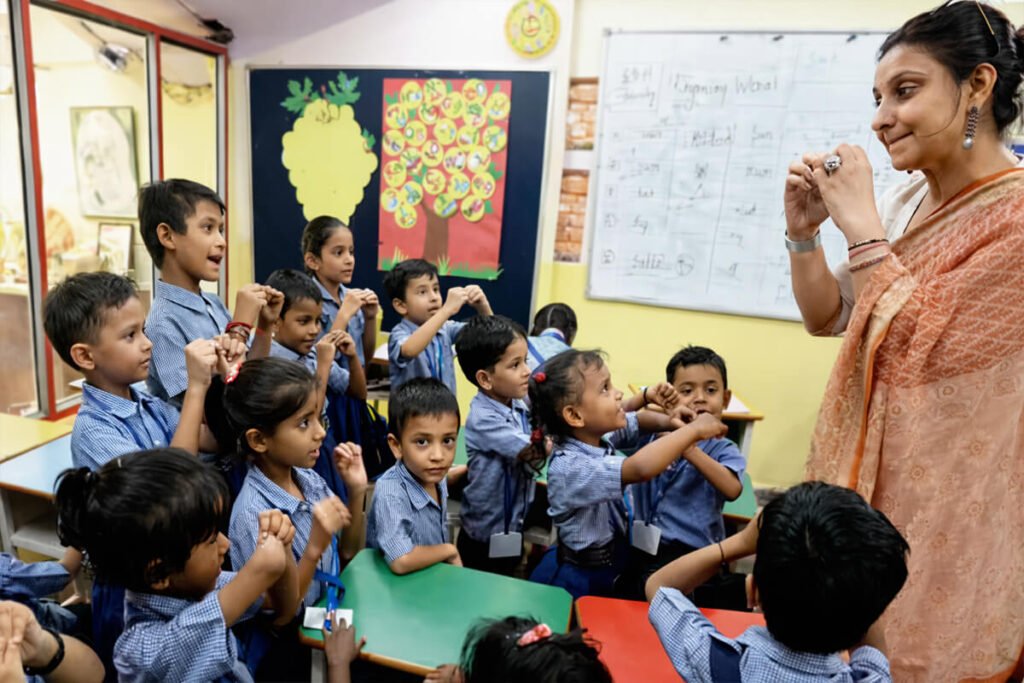
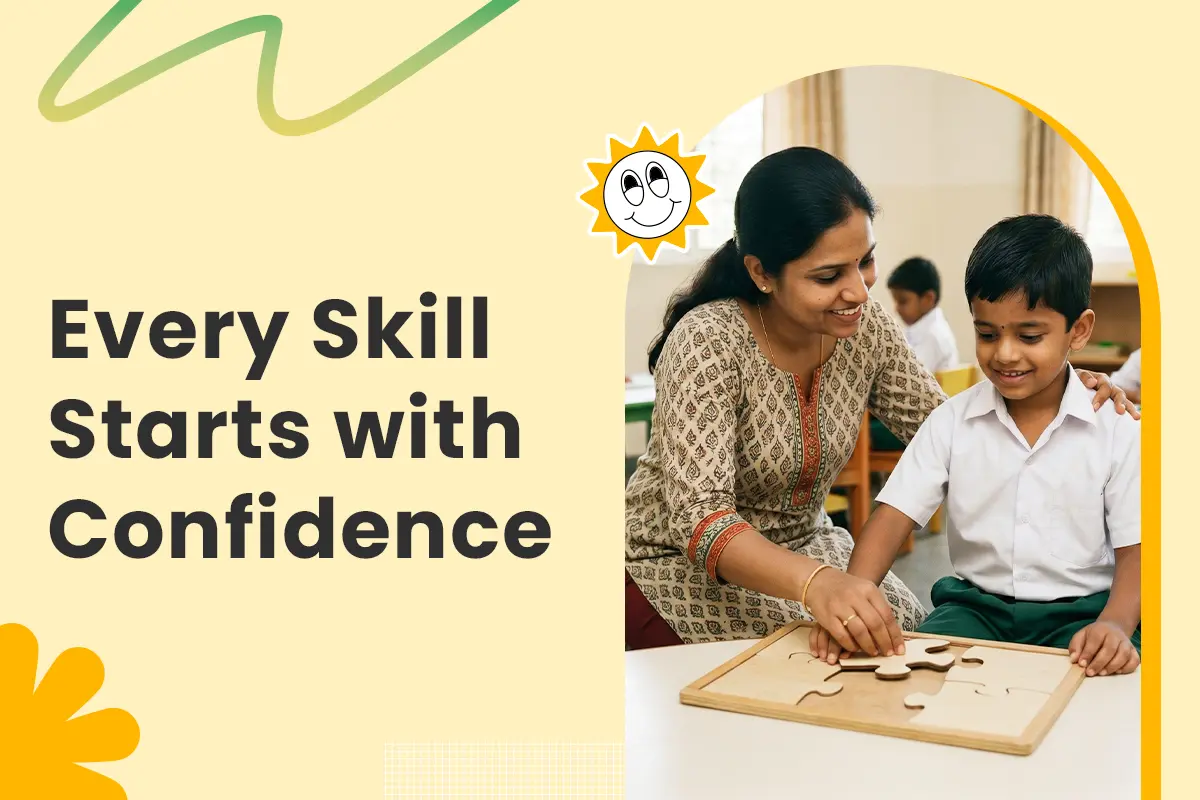
Educators play a vital role in shaping inclusive environments. Acceptance begins with training, awareness, and mindset.
Educators who practice acceptance:
- Adapt teaching methods
- Encourage participation without pressure
- Foster respect among peers
- Model inclusive behaviour
When teachers lead with acceptance, children learn to do the same.
Inclusion Is Not About “Treating Everyone the Same”
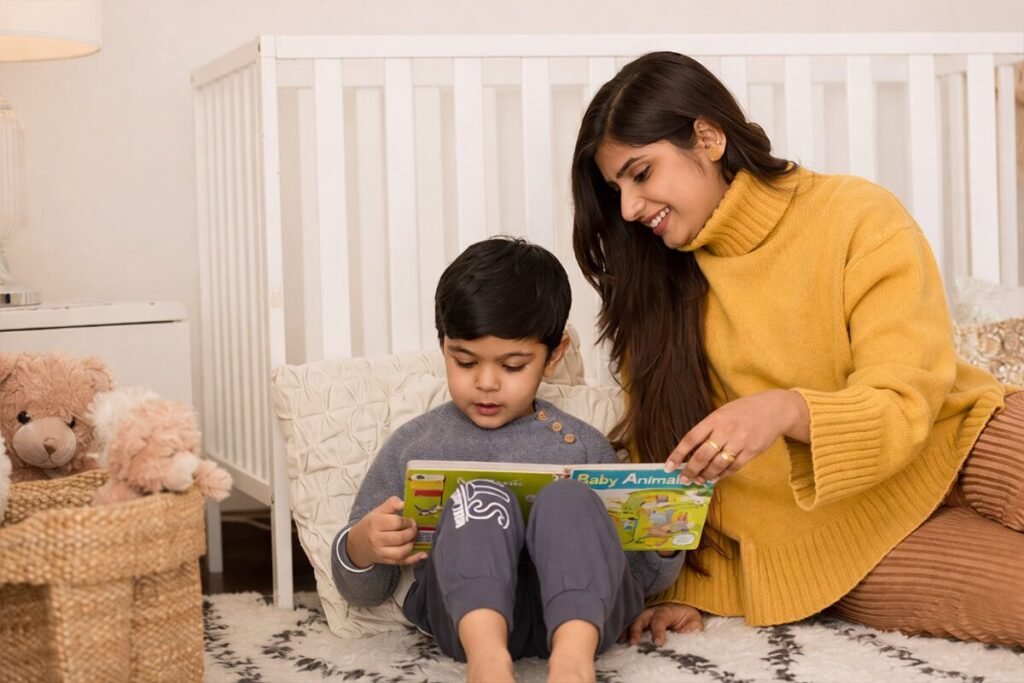
One of the most common misunderstandings about inclusion is the idea that fairness means sameness. In reality, inclusion means equity, not equality.
Inclusive education provides:
- Different supports for different needs
- Individualised goals
- Flexible teaching approaches
- Respect for personal learning styles
Treating every child the same ignores their unique needs. Acceptance allows for meaningful support.
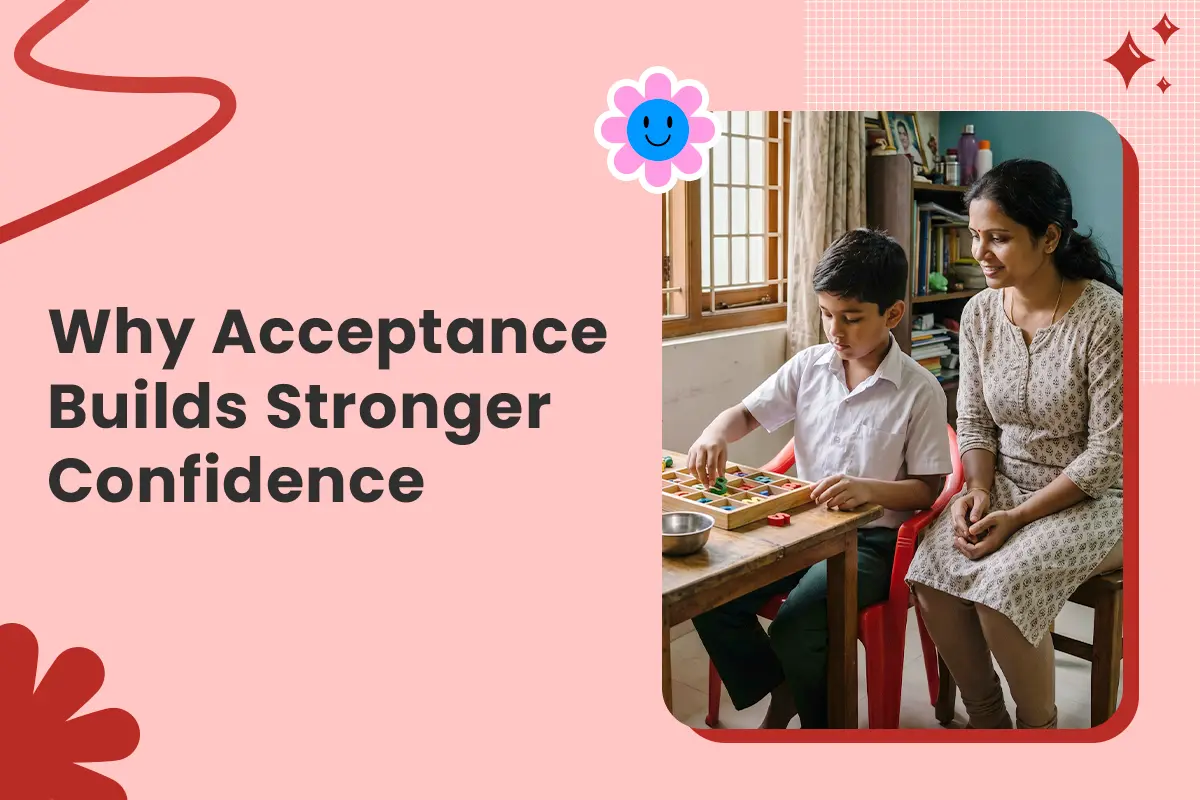
The Emotional Impact of Acceptance on Children
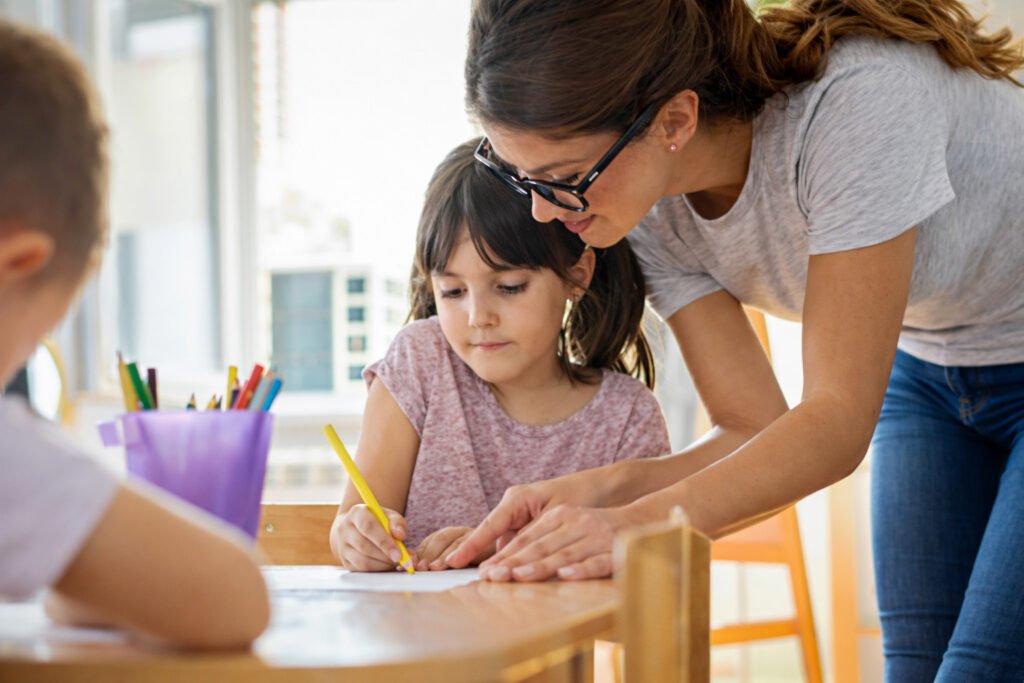
When children feel accepted:
- Anxiety reduces
- Confidence grows
- Engagement improves
- Emotional safety is established
Children who feel accepted are more willing to try, learn, and participate. Emotional safety is the foundation upon which learning is built.
Inclusion Benefits Everyone
Inclusive education does not only support children with special needs. It benefits:
- Peers, who develop empathy and understanding
- Educators, who grow professionally
- Communities, which become more compassionate
Acceptance creates environments where diversity is valued rather than tolerated.
A Perspective from Sorem Special Children School
At Sorem, inclusive education is not a policy—it is a practice. We believe inclusion begins with acceptance, grows through understanding, and succeeds through collaboration.
We focus on:
- Creating emotionally safe learning spaces
- Supporting individual growth
- Encouraging respect and dignity
- Partnering with families and communities
Our goal is not to make children “fit in,” but to help them belong.
Moving from Sympathy to Acceptance as a Society
True inclusion requires a shift in mindset. It asks society to:
- Replace pity with respect
- Replace judgement with understanding
- Replace exclusion with opportunity
This shift does not happen overnight, but it begins with education, awareness, and conscious effort.
A Closing Message
Children with special needs do not need sympathy. They need acceptance—acceptance of who they are, how they learn, and how they express themselves.
Inclusive education, when rooted in acceptance, creates environments where children feel valued, capable, and empowered.
At Sorem Special Children School, we remain committed to building inclusive spaces where every child is respected—not for fitting in, but for being themselves.