Parenting is demanding for everyone, but parenting a child with special needs brings a unique set of emotional, physical, and mental challenges. Many parents carry responsibilities that go far beyond daily caregiving—therapy schedules, school coordination, constant decision-making, and the emotional weight of advocating for their child in a world that does not always understand.
At Sorem Special Children School, we meet parents who are doing their very best, often while feeling exhausted, overwhelmed, and emotionally drained. What many of them are experiencing has a name: emotional burnout.
This blog is written to help parents recognise burnout, understand why it happens, and explore compassionate ways to cope—without guilt.
Understanding Emotional Burnout in Parents
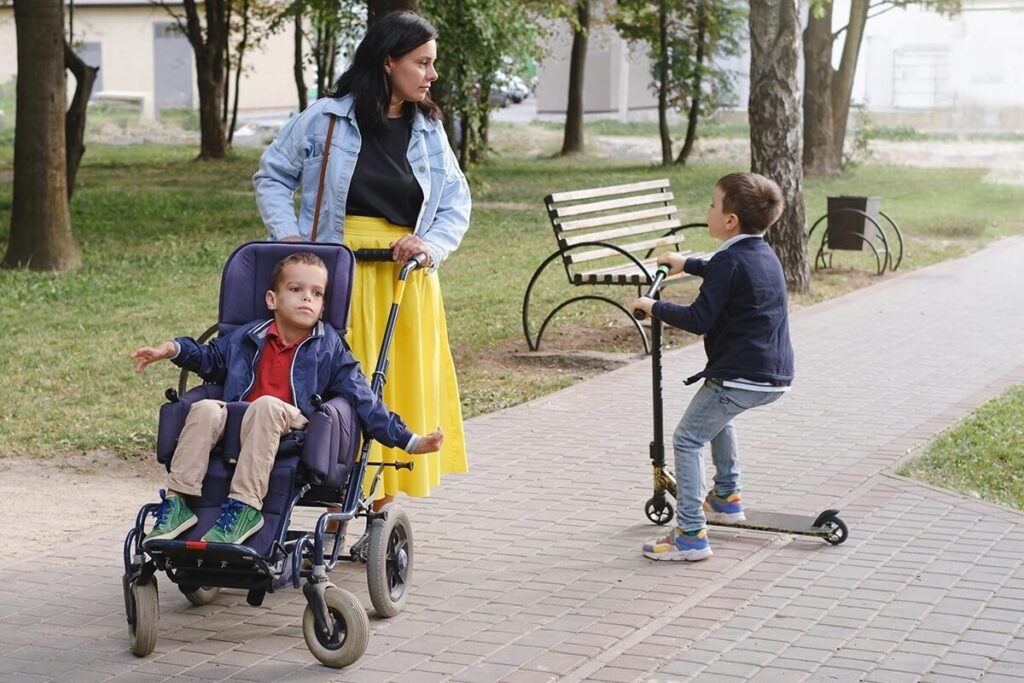
Emotional burnout is not a sign of weakness or failure. It is a natural response to prolonged stress, responsibility, and emotional labour.
Parents of special children often experience burnout because:
- The caregiving role rarely pauses
- Progress can feel slow or uncertain
- Support systems may be limited
- Emotional vigilance is constant
Over time, this continuous state of alertness and responsibility can leave parents feeling depleted.
Common Signs of Burnout Parents Often Ignore
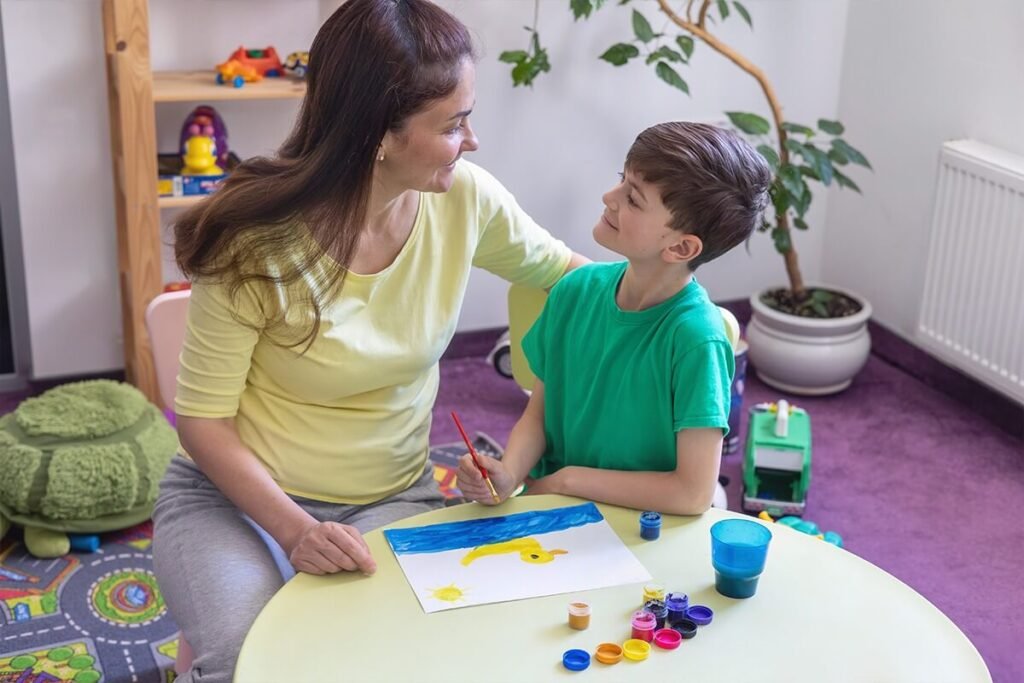
Many parents do not realise they are burnt out because they are used to pushing through exhaustion. Some common signs include:
- Persistent fatigue, even after rest
- Emotional numbness or irritability
- Feelings of guilt for feeling overwhelmed
- Difficulty enjoying moments with the child
- A sense of isolation or loneliness
Recognising these signs early is an important step toward healing.
Why Parents of Special Children Are More Vulnerable
Parents of special children often face stressors that are long-term rather than temporary. Unlike short phases of stress, these challenges may span years.
Some contributing factors include:
- Constant caregiving without adequate breaks
- Navigating therapies, assessments, and schooling
- Managing social judgement or misunderstanding
- Carrying unspoken worries about the future
This prolonged emotional load makes burnout more likely—and more complex.
The Hidden Guilt That Makes Burnout Harder

One of the most painful aspects of parental burnout is guilt. Parents may feel guilty for:
- Feeling tired
- Wanting time for themselves
- Feeling frustrated or overwhelmed
- Wishing things were easier
At Sorem, we want parents to hear this clearly: feeling exhausted does not mean you love your child any less. It means you are human.
How Burnout Affects Parenting and the Child
Burnout does not just affect parents—it also impacts the family environment. When parents are emotionally depleted, it becomes harder to:
- Respond patiently
- Stay emotionally present
- Maintain routines
- Advocate effectively
This is why caring for the parent’s well-being is not selfish—it is essential for the child’s growth.
Practical Ways Parents Can Begin to Cope
Coping with burnout does not require drastic changes. Small, intentional steps can make a meaningful difference.
Parents can begin by:
- Allowing themselves to acknowledge exhaustion
- Letting go of unrealistic expectations
- Asking for help without shame
- Creating small moments of rest
Even brief pauses can help restore emotional balance over time.
The Importance of Emotional Support

Many parents feel isolated because they believe others cannot understand their experience. Emotional support can come from:
- Other parents of special children
- Trusted educators or therapists
- Family members who are willing to listen
- Professional counselling when needed
Sharing the emotional load reduces its weight.
Setting Boundaries Without Guilt

Parents often feel they must always be available—to their child, family, school, and therapists. Over time, this can lead to emotional exhaustion.
Healthy boundaries may include:
- Saying no to unnecessary obligations
- Allowing rest without justification
- Protecting personal time
- Reducing exposure to judgement or negativity
Boundaries are not barriers—they are safeguards for well-being.
Finding Strength in Small Moments

Burnout can make parents focus only on what feels heavy. Reconnecting with small moments can bring quiet relief:
- A calm interaction with your child
- A small developmental gain
- A moment of shared laughter
- A supportive conversation
These moments do not erase challenges, but they remind parents why their efforts matter.
A Perspective from Sorem Special Children School
At Sorem, we believe that supporting the child also means supporting the family. We recognise that parents are not just caregivers—they are individuals with emotional needs, limits, and strengths.
We encourage parents to:
- Speak openly about struggles
- Seek guidance without hesitation
- View self-care as a responsibility, not a luxury
- Remember that progress includes emotional well-being
A supported parent is better able to support their child.
When to Seek Professional Help
Sometimes burnout becomes overwhelming and requires professional support. Parents may consider seeking help if:
- Exhaustion feels unmanageable
- Anxiety or sadness persists
- Sleep or appetite is affected
- Emotional numbness continues
Seeking help is not a sign of failure—it is a step toward resilience.
A Gentle Message to Parents
If you are feeling emotionally burnt out, you are not alone—and you are not doing anything wrong. Parenting a special child requires strength, patience, and emotional endurance that often goes unseen.
You are allowed to feel tired.
You are allowed to need support.
You are allowed to care for yourself.
At Sorem Special Children School, we walk alongside families with empathy and respect, recognising that when parents are supported, children thrive.