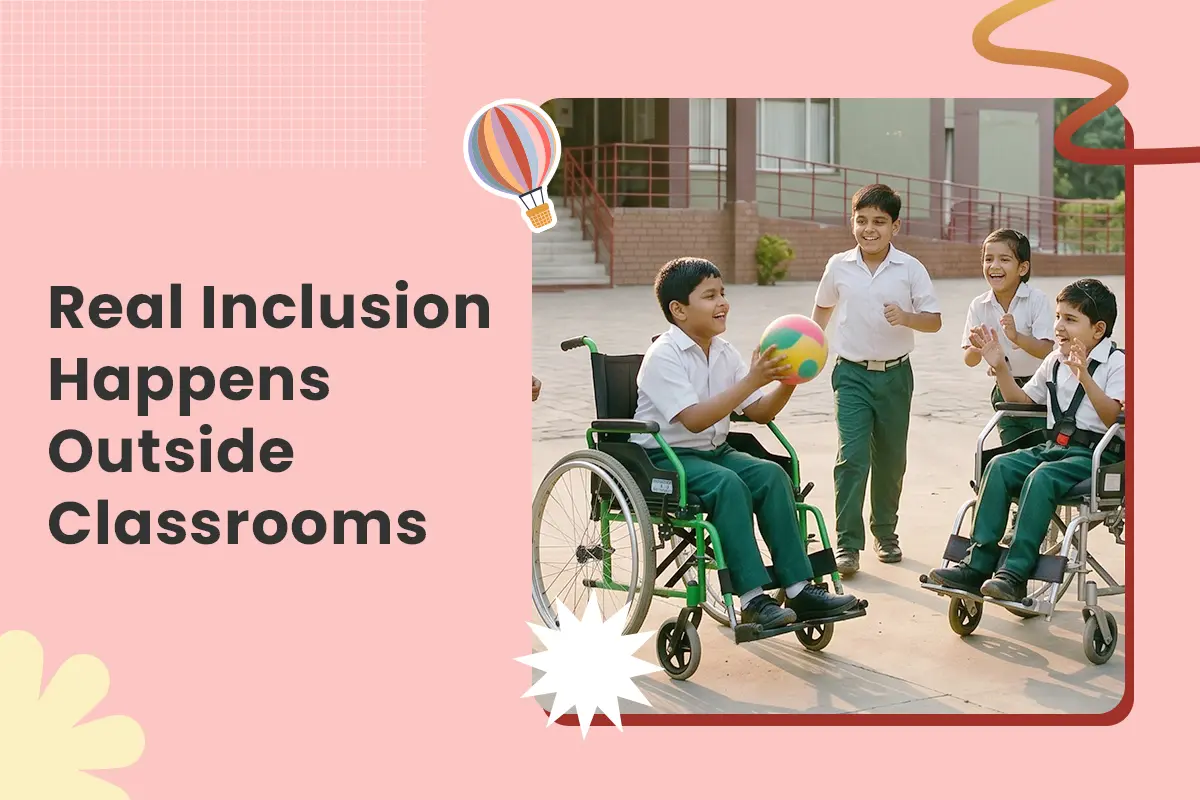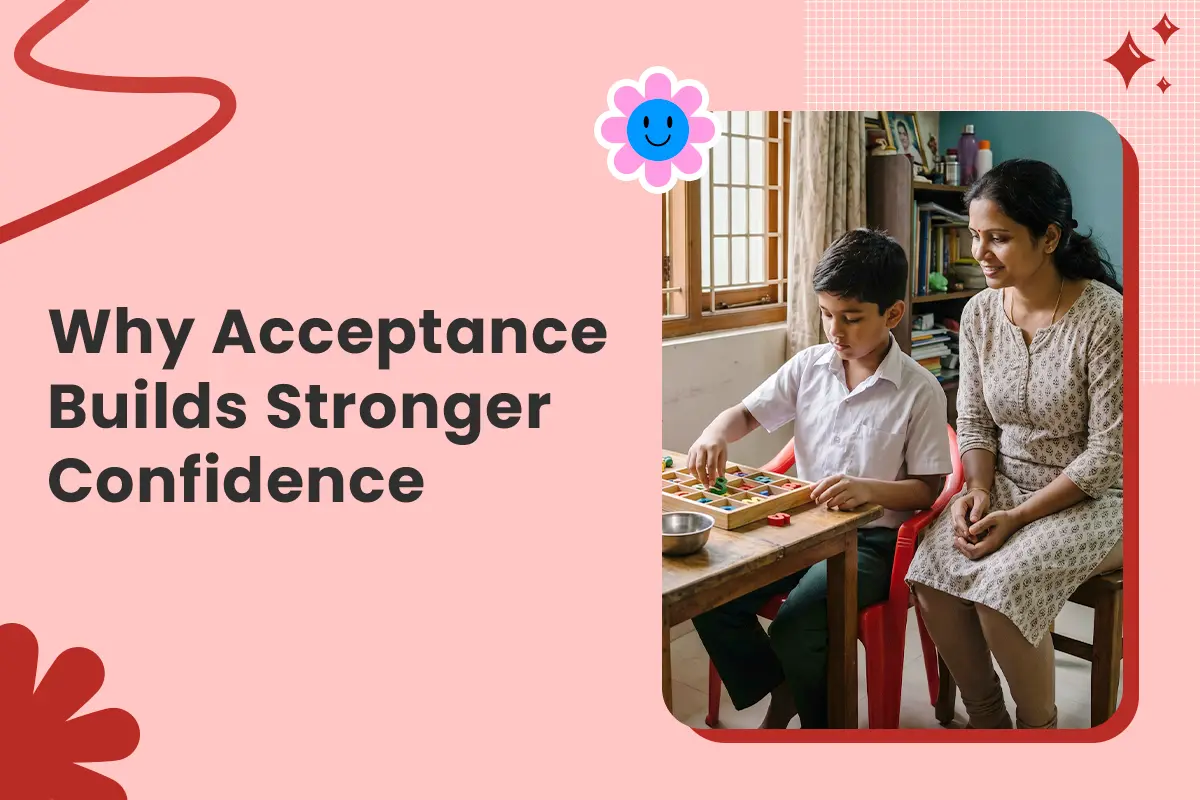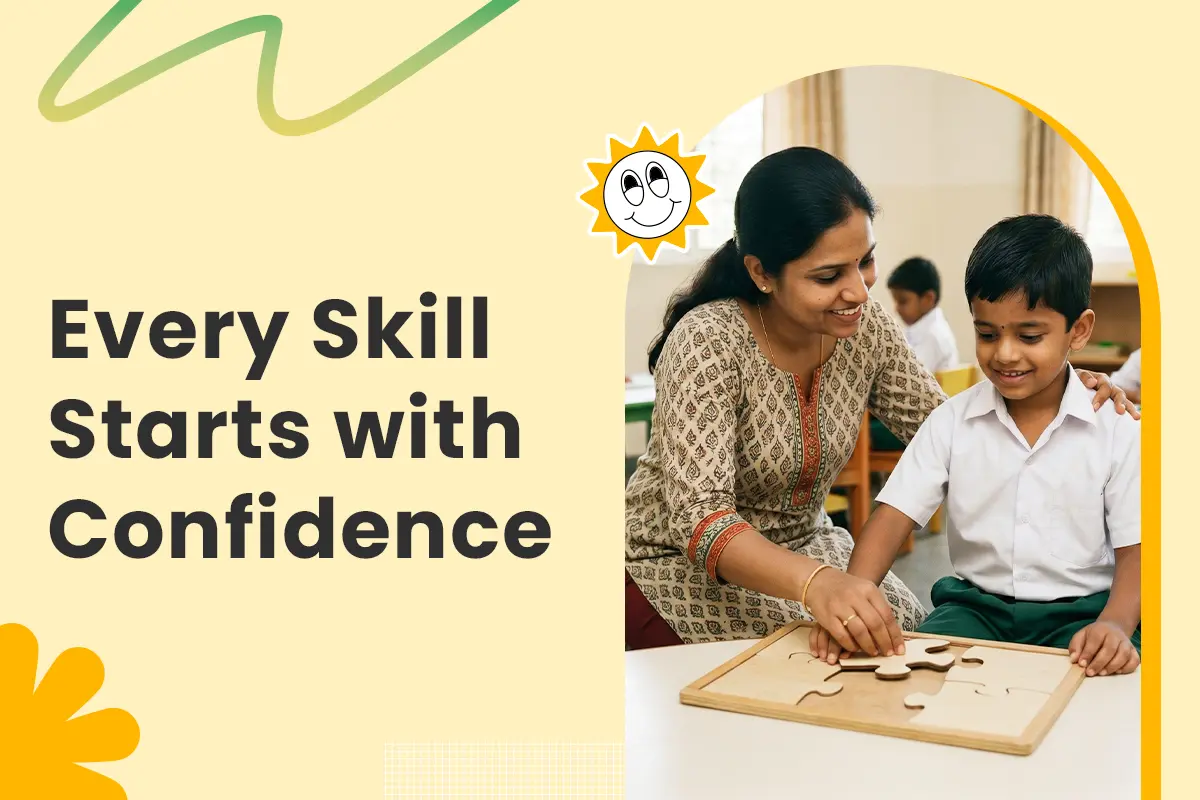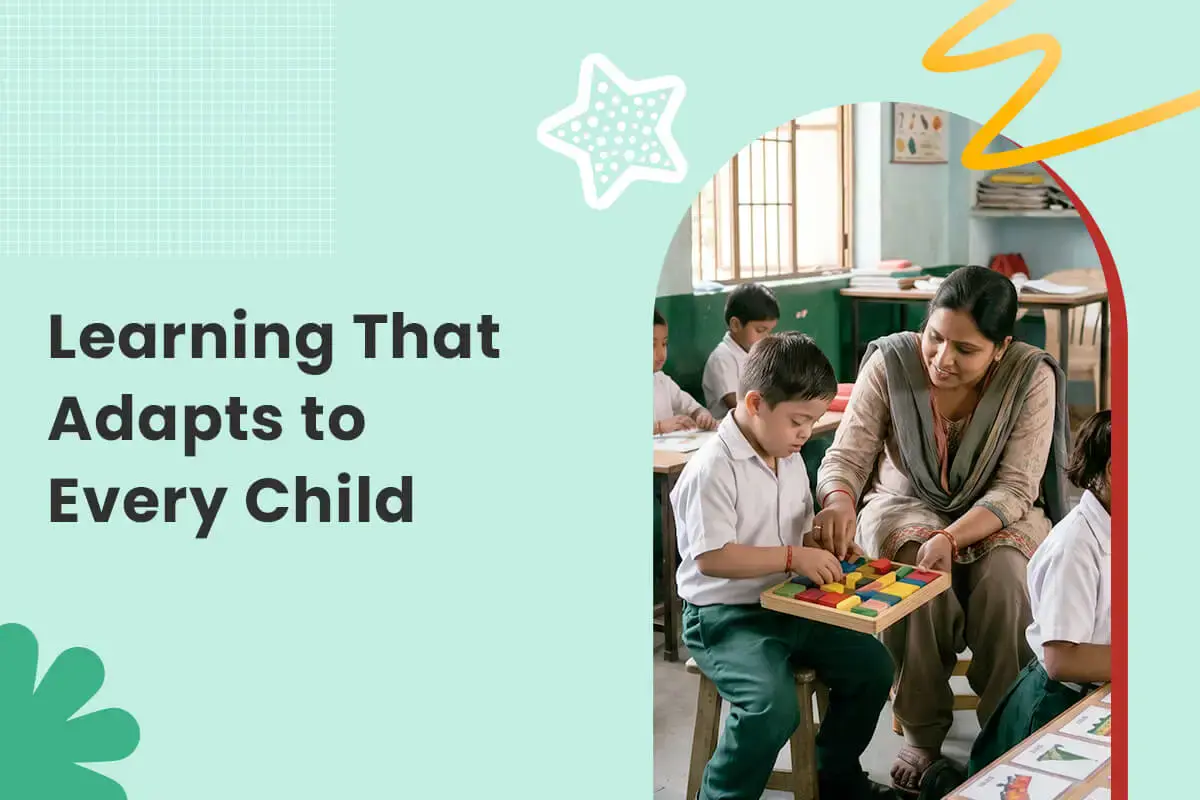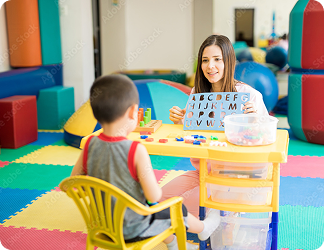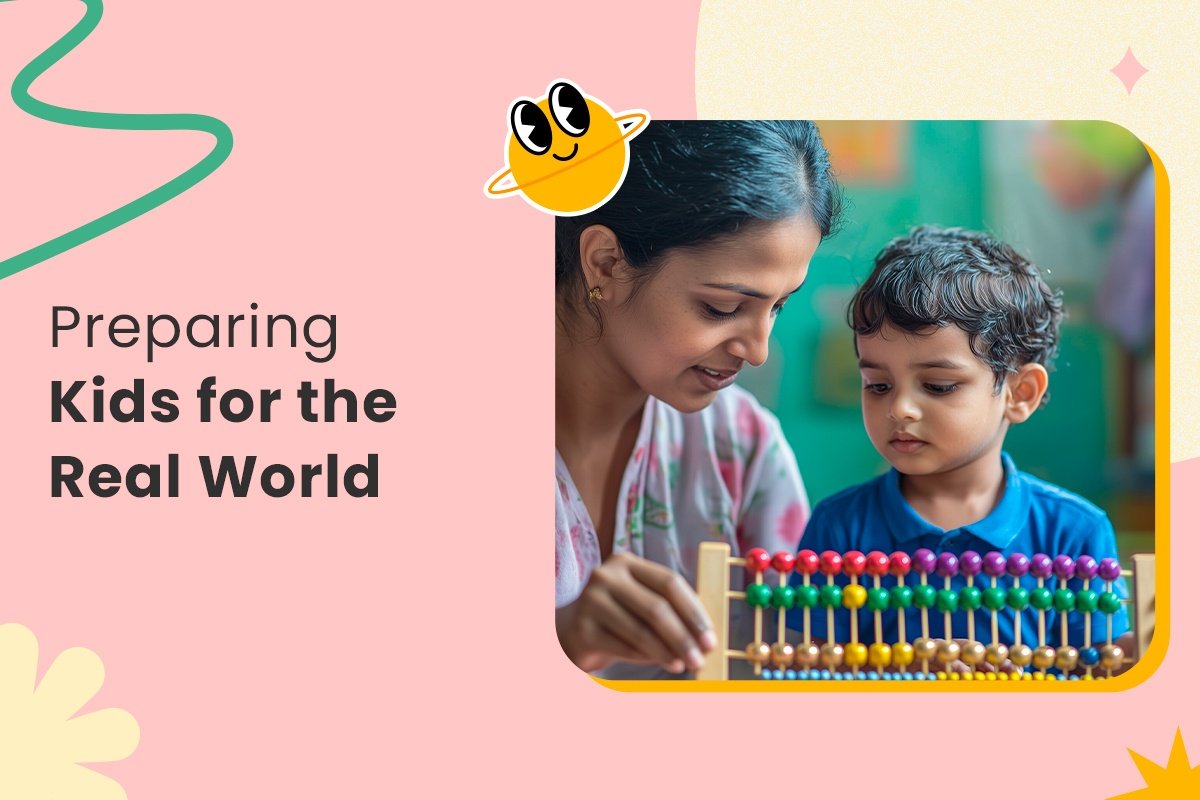
For many parents of special children, thoughts about the future often arrive quietly but persistently. Questions about independence, safety, communication, and dignity naturally arise as children grow. While academic learning is important, families often realise that what matters just as much—if not more—is a child’s ability to navigate everyday life with confidence.
At Sorem Special Children School, we believe that life skills training is not about pushing children toward unrealistic independence. It is about helping each child develop the skills they need to participate in the world in their own meaningful way.
Understanding Life Skills Beyond Academics
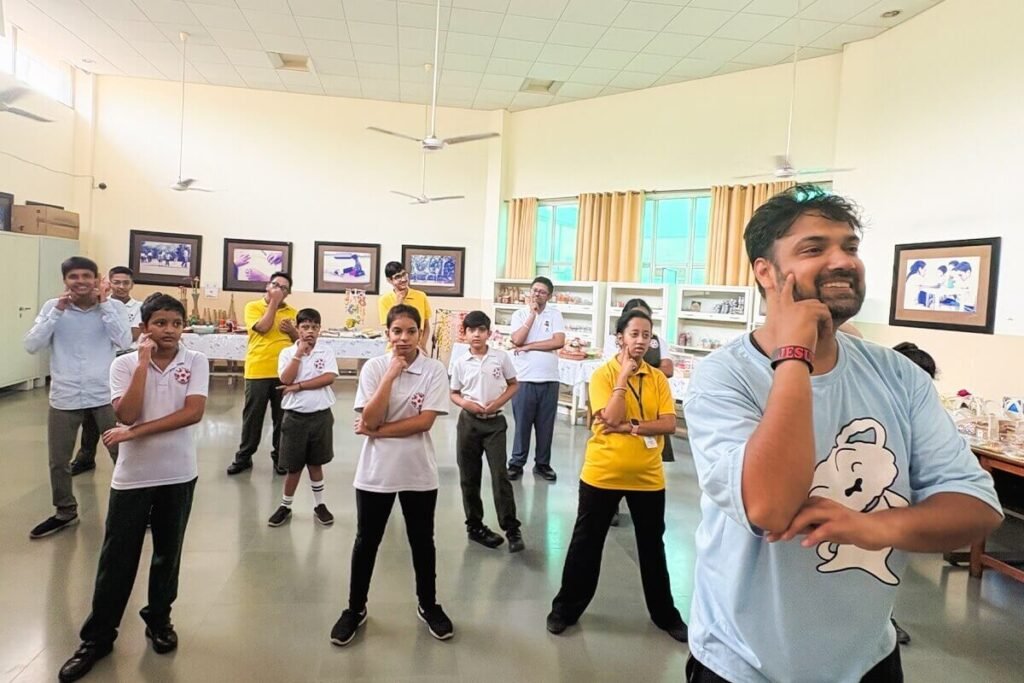
Life skills are the abilities that help individuals manage daily activities, interact with others, and make choices. For special children, these skills are often the foundation upon which learning, confidence, and self-worth are built.
Life skills include:
- Self-care and hygiene
- Communication and social interaction
- Emotional regulation
- Daily routines and responsibility
- Safety awareness
- Decision-making
These skills allow children to experience a sense of control and dignity in their daily lives.
Why Life Skills Training Is Essential for Special Children
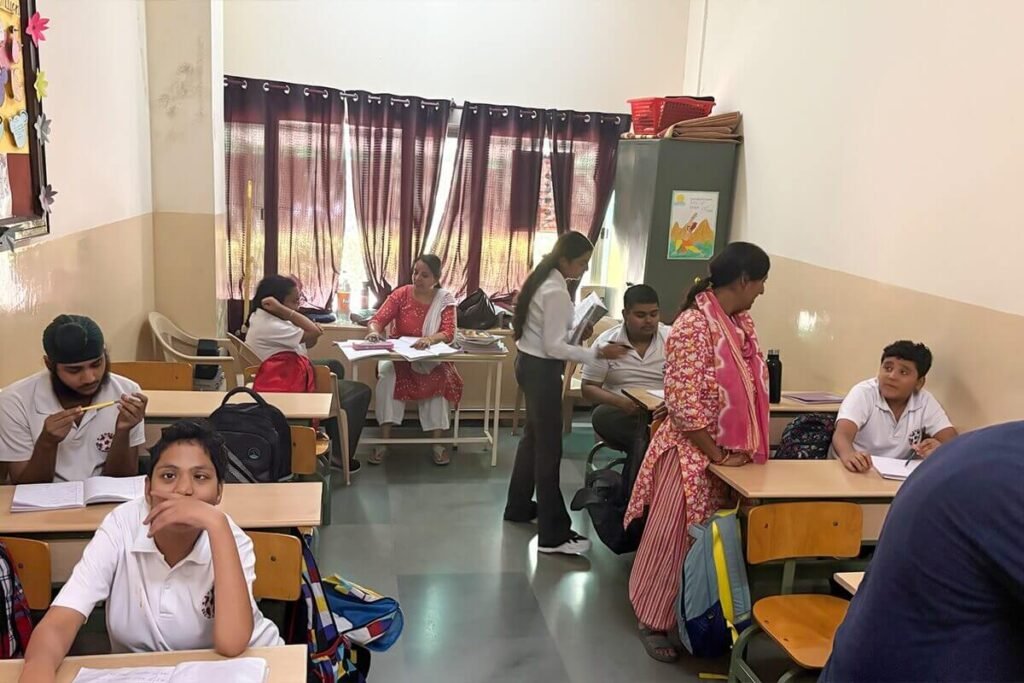
Many special children process information differently and may require structured guidance to learn everyday tasks that others pick up incidentally. Without intentional life skills training, children may become overly dependent on caregivers, limiting their confidence and participation.
Life skills training helps by:
- Reducing frustration and anxiety
- Encouraging independence at an appropriate level
- Supporting emotional and behavioural regulation
- Preparing children for social and community interaction
At Sorem, we view life skills as essential learning, not secondary learning.
Building Independence Step by Step
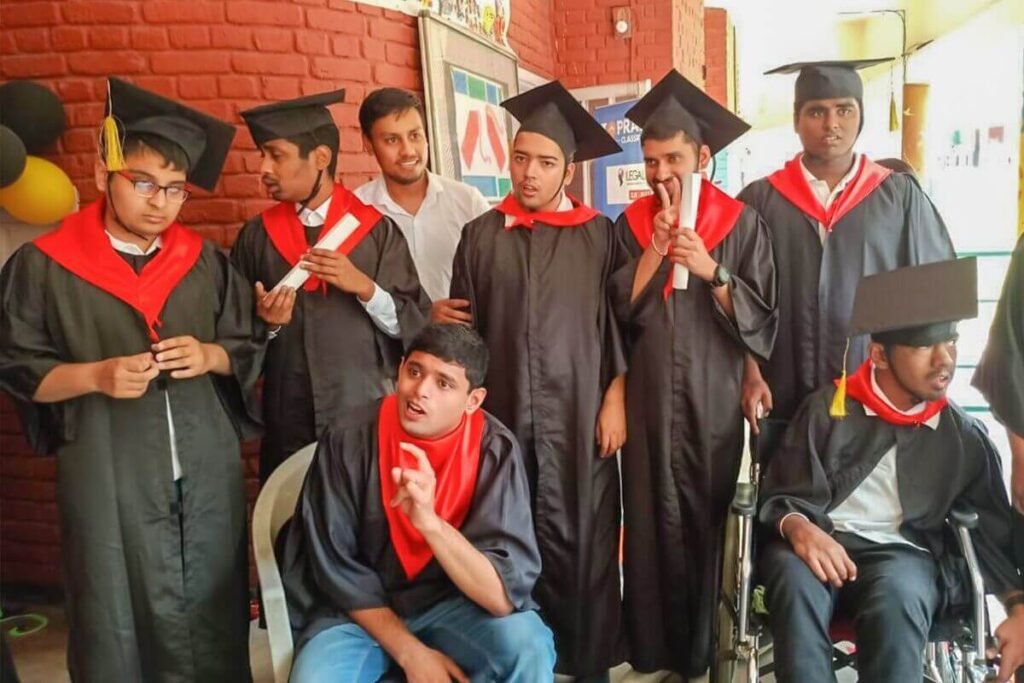
Independence does not look the same for every child. For some, it may mean learning to dress independently. For others, it may mean communicating needs or following routines.
Life skills training focuses on:
- Breaking tasks into manageable steps
- Practising skills consistently
- Allowing children to try without fear of failure
- Reinforcing effort rather than perfection
Small achievements build confidence, which motivates further learning.
Life Skills and Emotional Well-Being
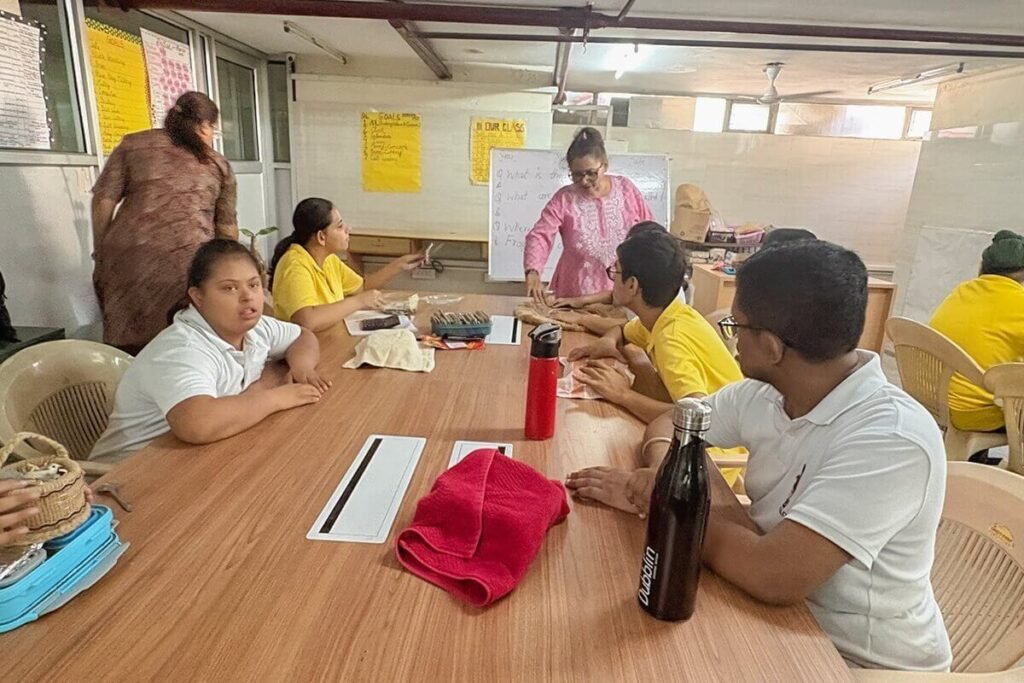
When children develop life skills, they gain more than functional ability—they gain emotional security. Being able to express needs, make choices, and manage routines reduces anxiety and behavioural challenges.
Life skills support:
- Self-confidence
- Emotional regulation
- Predictability and safety
- Sense of achievement
Children who feel capable are more willing to engage with the world around them.
Key Areas of Life Skills Training
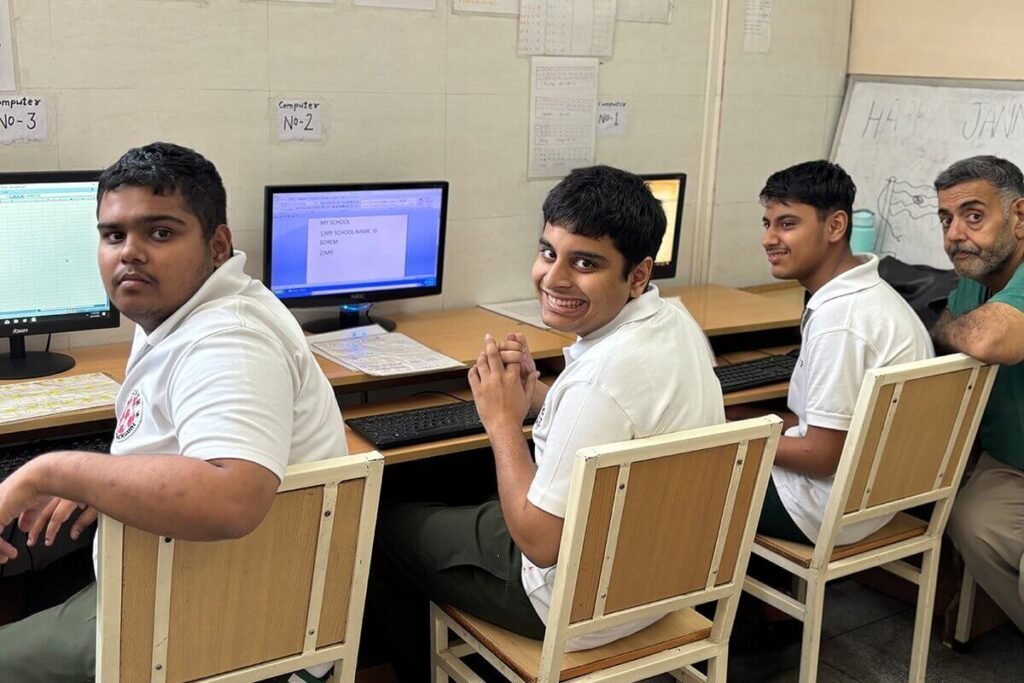
Self-Care and Daily Routines
Learning personal care tasks such as eating, dressing, and hygiene supports dignity and autonomy. These skills are taught patiently, respecting the child’s pace.
Communication Skills
Communication may involve words, gestures, pictures, or assistive tools. The goal is not perfection, but effective expression of needs and emotions.
Social Interaction
Social skills include turn-taking, recognising emotions, and participating in group activities. These skills help children feel included and understood.
Emotional Regulation
Children learn to recognise feelings, manage frustration, and seek support appropriately.
Safety and Awareness
Understanding basic safety—such as recognising danger, following instructions, and knowing whom to trust—is crucial for real-world participation.
Preparing for the Real World, Not a Perfect One
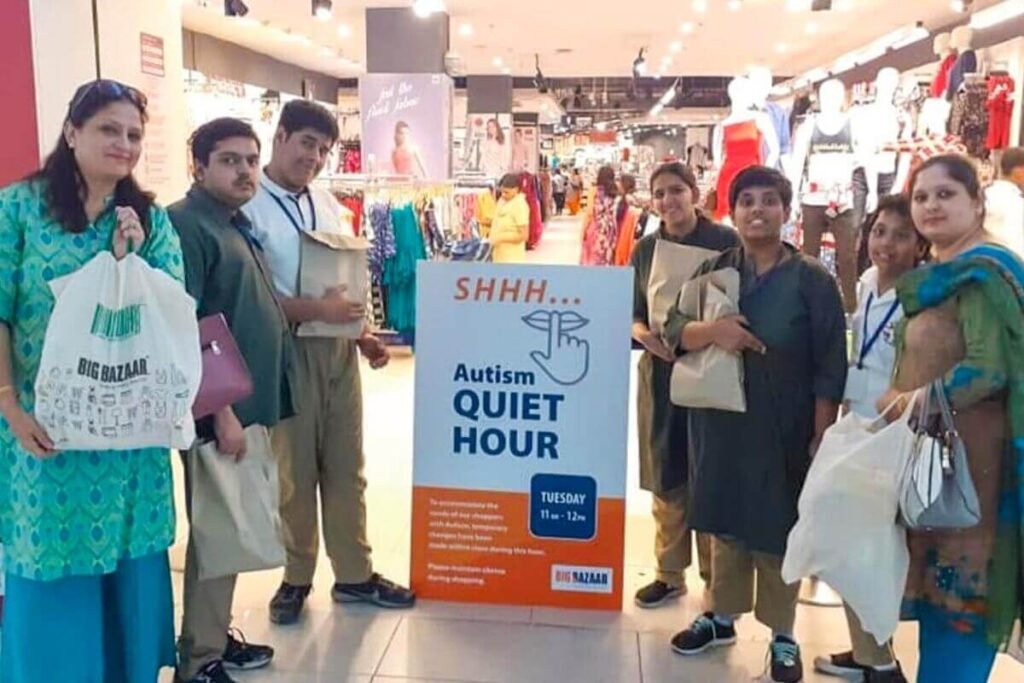
Life skills training does not aim to prepare children for an idealised future. It prepares them for real situations—with support, understanding, and adaptation.
This includes:
- Navigating public spaces
- Managing transitions
- Handling changes in routine
- Interacting with unfamiliar people
Preparation is always guided by realism and compassion.
The Role of Educators and Therapists
At Sorem, life skills training is integrated into daily learning through:
- Structured routines
- Play-based learning
- Occupational and speech therapy
- Real-life simulations
Educators observe, adapt, and personalise learning to meet each child’s developmental level.
The Role of Parents in Life Skills Development
Parents play an essential role in reinforcing life skills at home. Consistency between school and home allows skills to become part of daily life.
Parents can support by:
- Encouraging independence patiently
- Allowing time for practice
- Celebrating small efforts
- Avoiding unnecessary over-assistance
Progress happens when children are supported—not rushed.
Progress Is Individual and Meaningful
Life skills development is not linear. Children may take time to learn, unlearn, and relearn. This process requires patience and trust.
Progress may look like:
- Increased participation
- Reduced resistance
- Greater confidence
- Improved communication
Each step, no matter how small, contributes to long-term independence.
A Perspective from Sorem Special Children School
At Sorem, we see life skills as a pathway to dignity, confidence, and participation. We do not measure success by how closely a child matches typical development, but by how confidently they navigate their own world.
Our approach respects individuality and focuses on meaningful growth.
A Reassuring Message to Parents
Thinking about the future can feel overwhelming, but you are not expected to have all the answers today. Life skills training is a journey—one that unfolds gradually and uniquely for every child.
With patience, guidance, and the right support, special children can develop the skills they need to engage with the world in ways that honour who they are.
At Sorem Special Children School, we remain committed to walking alongside families as children grow, learn, and prepare for life beyond the classroom.