In many educational systems, perfection is silently rewarded. High marks, quick answers, polished performances — these are often seen as proof of success. For families of special children, however, this traditional definition can feel distant, unrealistic, and sometimes deeply discouraging.
At Sorem Special Children School, we believe success must be redefined. In special education, the focus is not perfection. It is progress.
Progress may be gradual. It may be quiet. It may look small to the outside world. But it is meaningful, and it is powerful.
Why Perfection Can Be Harmful in Special Education
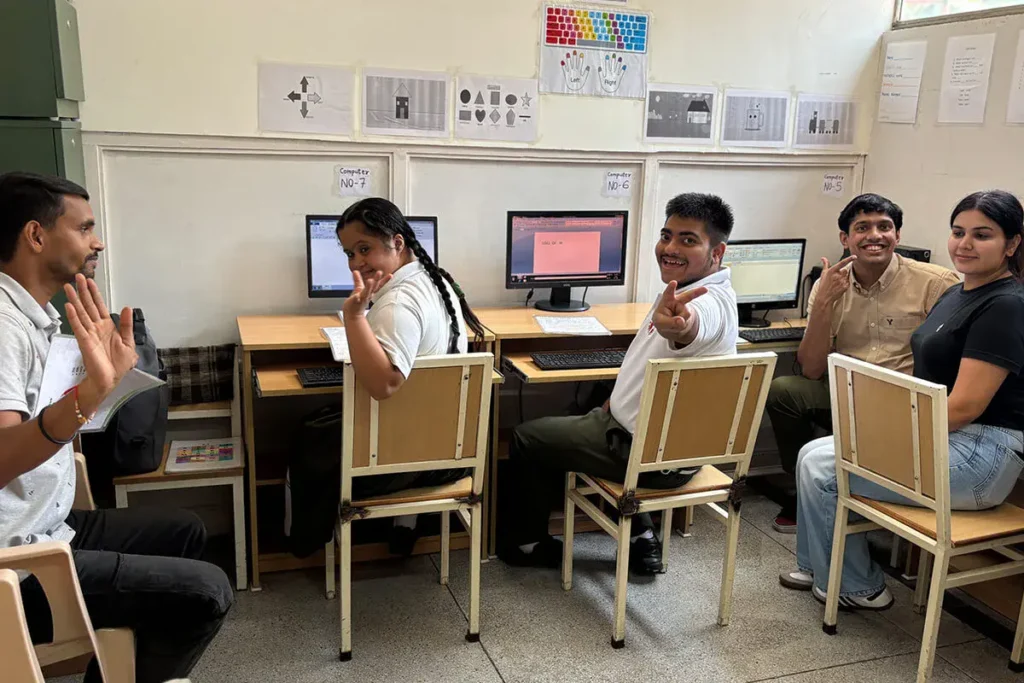
Perfection is rooted in comparison. It asks: How does this child perform compared to others? In special education, this question can be damaging.
When children are measured against rigid standards:
- Their individual strengths are overlooked
- Their effort goes unrecognised
- Anxiety increases
- Confidence declines
Perfection assumes a single path to achievement. Special children often walk different paths — and those paths deserve equal respect.
Understanding What Progress Really Means
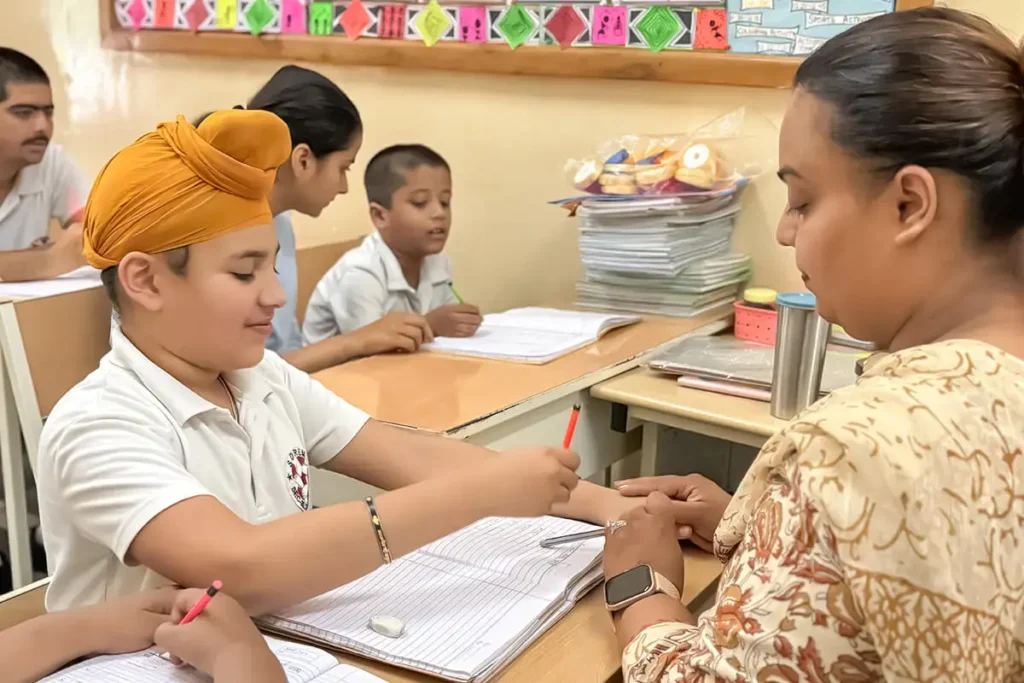
Progress is not about reaching a fixed benchmark. It is about movement — forward, even if slowly.
Progress may look like:
- Attempting communication more frequently
- Sitting through a task for a few extra minutes
- Managing emotions during a challenging moment
- Completing part of a task independently
- Trying again after frustration
These changes may not appear dramatic, but they represent neurological, emotional, and behavioural growth.
At Sorem, we look for movement, not milestones alone.
The Emotional Cost of Chasing Perfection
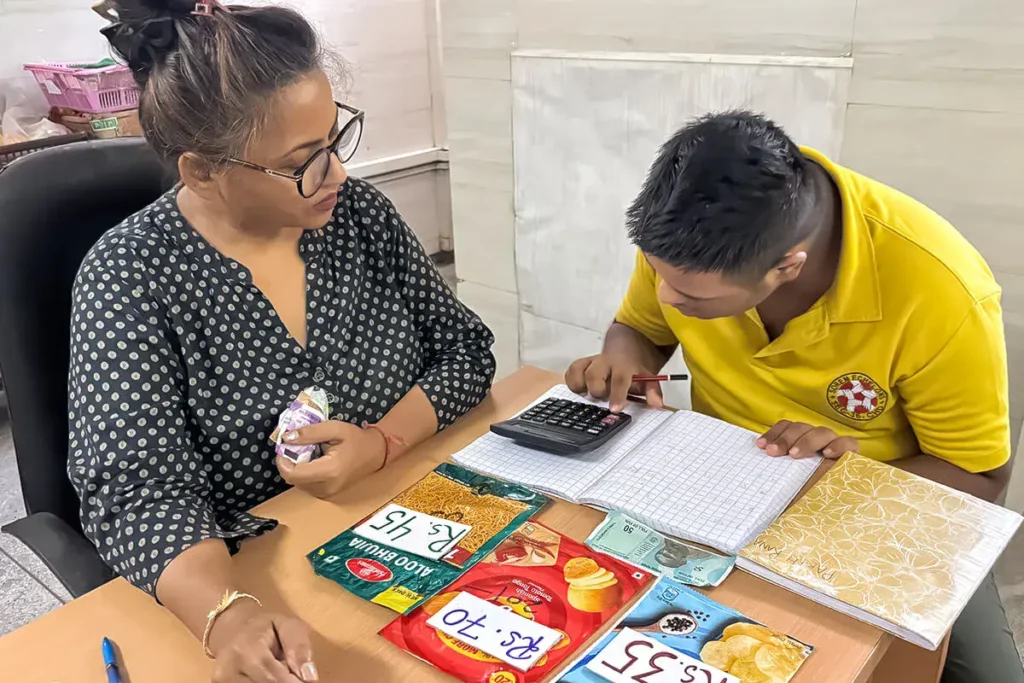
When perfection becomes the goal, both children and parents carry unnecessary pressure. Children may feel constant expectation. Parents may feel that they are falling short if progress is not visible or rapid.
This pressure can lead to:
- Burnout in caregivers
- Increased behavioural stress in children
- Reduced joy in learning
- Strained parent-child relationships
Perfection creates tension. Progress builds confidence.
Celebrating Small Wins as Real Wins
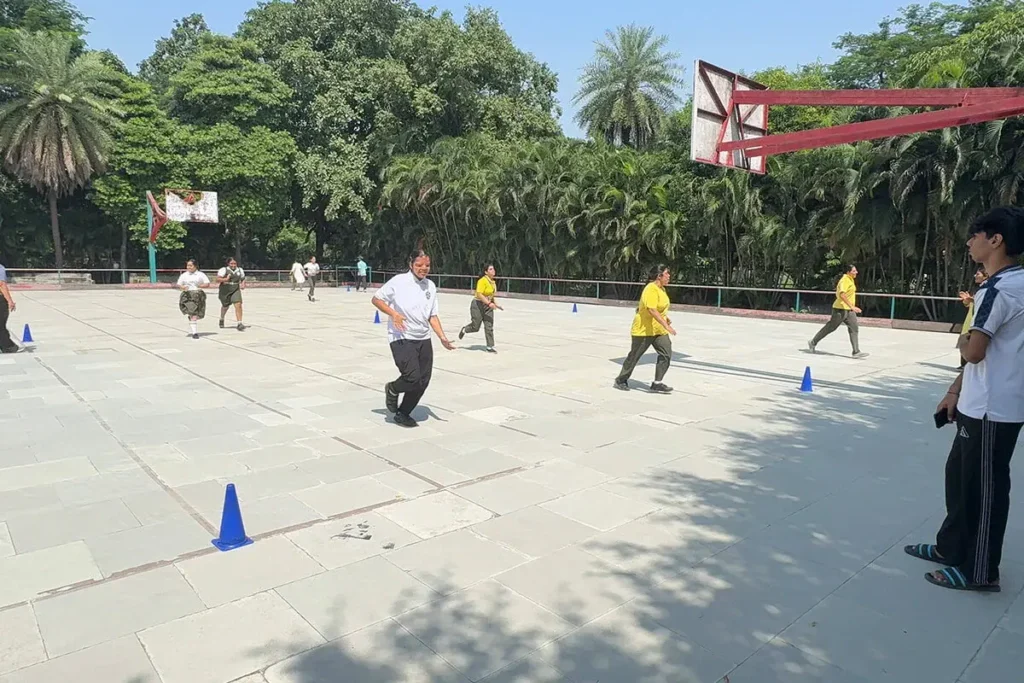
In special education, small wins are not symbolic — they are foundational.
A child making eye contact for a few seconds longer.
A child following a routine independently for the first time.
A child expressing a need instead of reacting emotionally.
These moments matter deeply. They show readiness for the next step.
Recognising small progress:
- Reinforces motivation
- Builds self-esteem
- Encourages resilience
- Creates positive learning cycles
When children feel successful, they become willing learners.
Redefining Success Beyond Academics
Academics are important, but they are not the sole measure of achievement. In special education, success also includes:
- Emotional regulation
- Social participation
- Independence in daily routines
- Improved communication
- Increased adaptability
These life-oriented outcomes often influence long-term well-being more than exam scores ever could.
At Sorem, we ask not only, “What has the child learned?” but also, “How does the child feel while learning?”
The Role of Patience in Measuring Progress
Progress in special education is rarely linear. There may be advances, plateaus, and occasional setbacks. This pattern is natural and expected.
Understanding this helps families:
- Maintain realistic expectations
- Avoid unnecessary discouragement
- Trust the developmental process
- Continue consistent support
Patience is not passive. It is active commitment without rushing growth.
Moving from Comparison to Individual Growth
Comparison is deeply embedded in education systems, but it is not helpful in special education.
When comparison fades:
- Individual strengths become visible
- Personal pace is respected
- Learning becomes safer
- Confidence increases
Every child has a unique developmental timeline. Respecting that timeline is a sign of maturity in education.
Supporting Progress at Home
Parents play a vital role in reinforcing a progress-oriented mindset.
Families can:
- Celebrate effort rather than outcome
- Avoid comparing siblings or peers
- Encourage persistence without pressure
- Focus on growth over speed
When children sense acceptance rather than evaluation, they flourish.
A Perspective from Sorem Special Children School
At Sorem, we do not ask children to be perfect. We ask them to keep moving forward. Our educators measure success through engagement, comfort, skill-building, and emotional stability.
We believe:
- Progress builds resilience
- Confidence fuels learning
- Small improvements create long-term impact
- Growth is more important than speed
Our goal is not to produce perfection. It is to nurture capability.
A Gentle Reminder for Parents
If your child’s journey feels slower than expected, know that slow does not mean stagnant. Progress is often happening beneath the surface — in emotional readiness, sensory regulation, and internal understanding.
Perfection is temporary and fragile.
Progress is sustainable and empowering.
Your child does not need to meet someone else’s timeline. They need patience, guidance, and belief.
At Sorem Special Children School, we honour every step forward — because in special education, progress is the true measure of success.