When a child is struggling in school, the first instinct for most parents is to ask: are they keeping up with reading? Are the numbers clicking? That’s completely natural. Academic milestones are visible. They’re measurable. They’re easy to point to.
But here’s what we’ve seen, consistently, at Sorem Special Children School: children who are pushed academically before they feel emotionally safe don’t retain what they’re taught. Not because they lack ability. Because the brain cannot absorb new information when it’s busy managing fear, confusion, or stress.
What Emotional Safety Actually Means

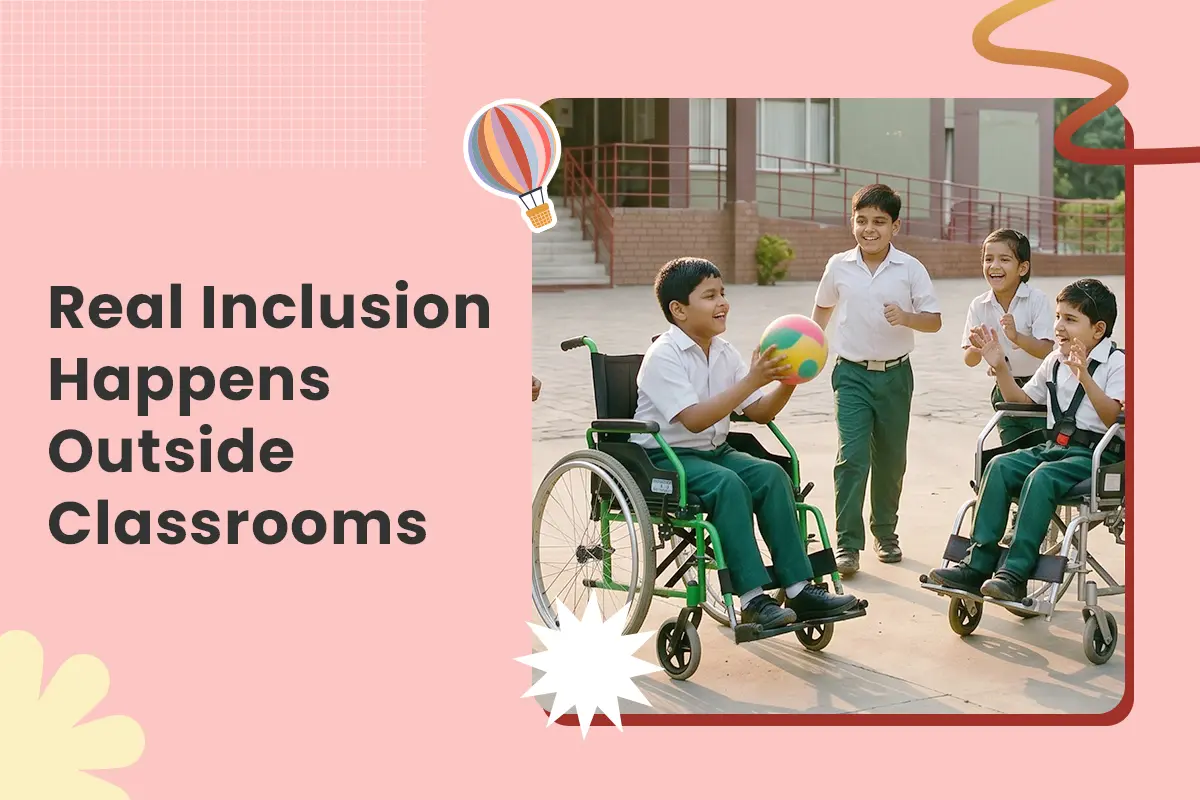
It isn’t a vague, feel-good concept. Emotional safety means a child walks into their learning environment and doesn’t feel judged, compared, or rushed. It means the adults around them are calm and predictable.
A child who feels emotionally safe tends to:
- Try things without fearing that mistakes will lead to shame
- Tell you when something is too hard, rather than shutting down
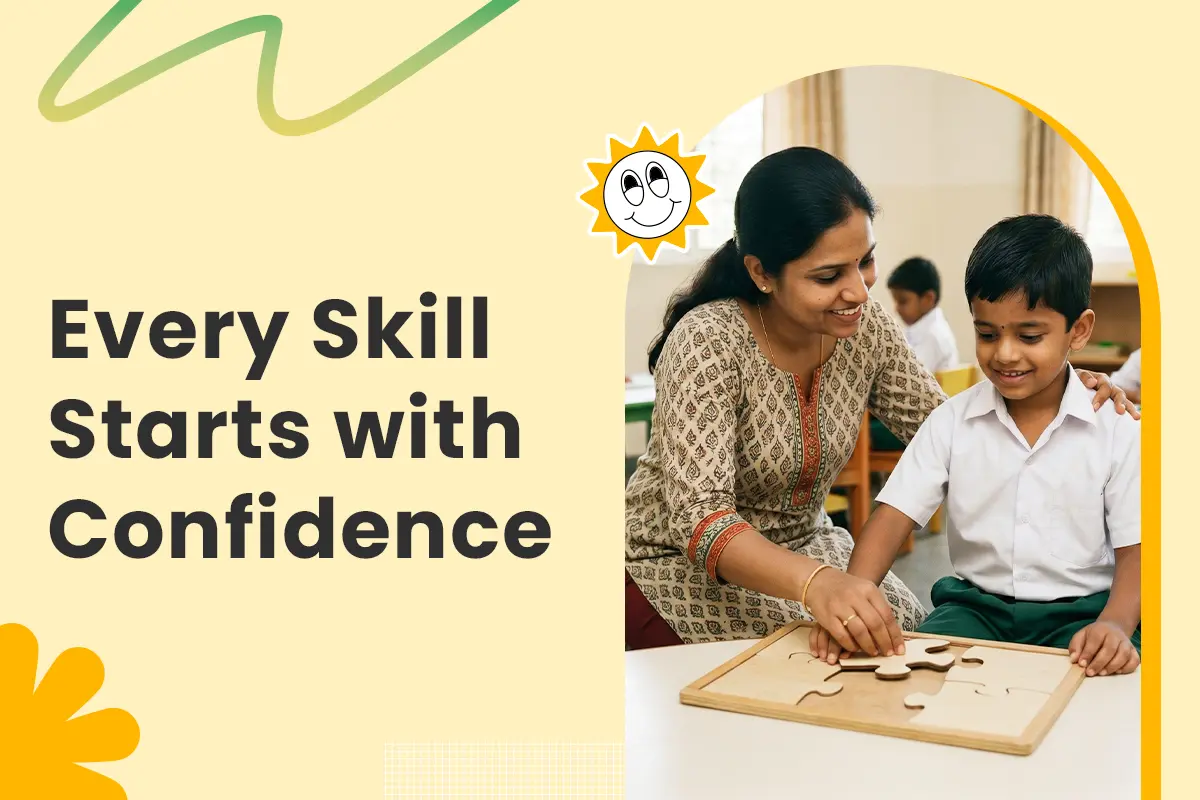
- Come back to a task after getting frustrated
- Trust the people teaching them
These aren’t soft outcomes. They’re what make academic progress possible in the first place.
The Neurological Side of This
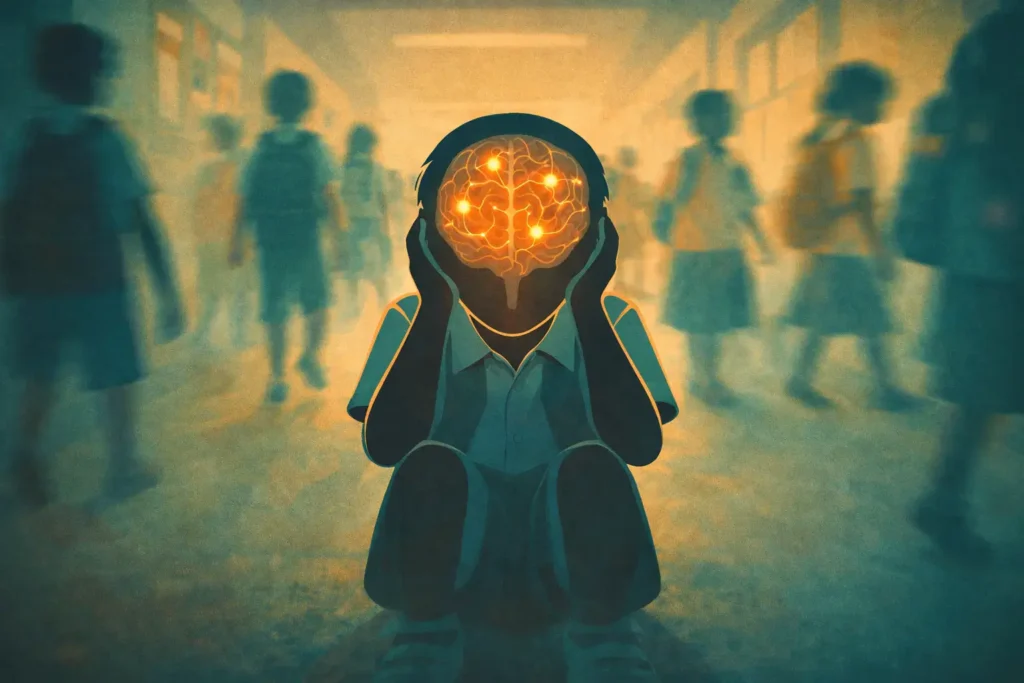
When a child feels anxious or threatened, the brain shifts into self-protection mode. Memory, attention, and problem-solving all take a back seat. This isn’t a character flaw or a discipline problem — it’s how human brains work, in every child, at every ability level.
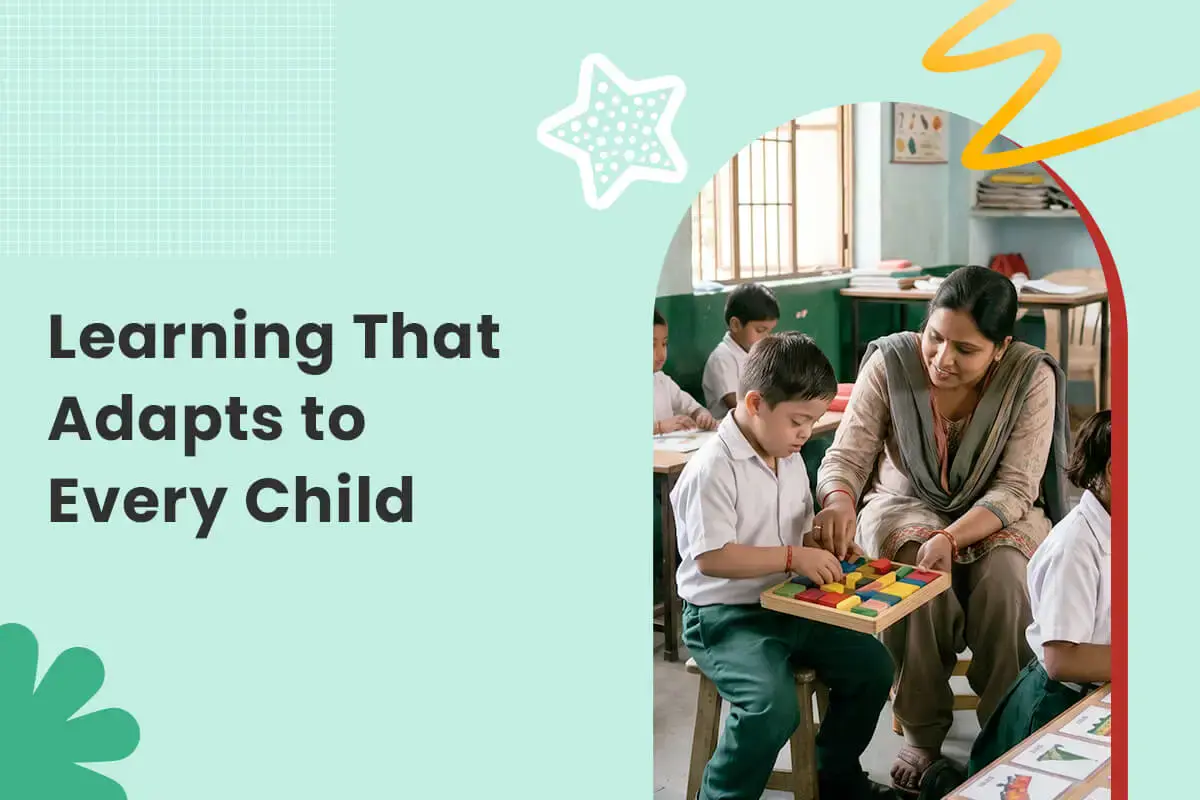
Children with autism, ADHD, sensory processing differences, or developmental delays are often working harder than their peers just to feel regulated in a typical environment. Behavioural challenges in these children are frequently not defiance. They’re communication: something here doesn’t feel safe.
What Happens When the Sequence Gets Reversed

We’ve seen it enough times to say it plainly. When skills are drilled before trust is built, children start avoiding tasks. Self-esteem drops. Emotional meltdowns increase. Parents and teachers mistake the symptoms for the cause, when what the child actually needs is a slower, more grounded start.
Focusing on emotional safety doesn’t lower expectations. It makes expectations reachable.
Signs That Emotional Safety Is Working
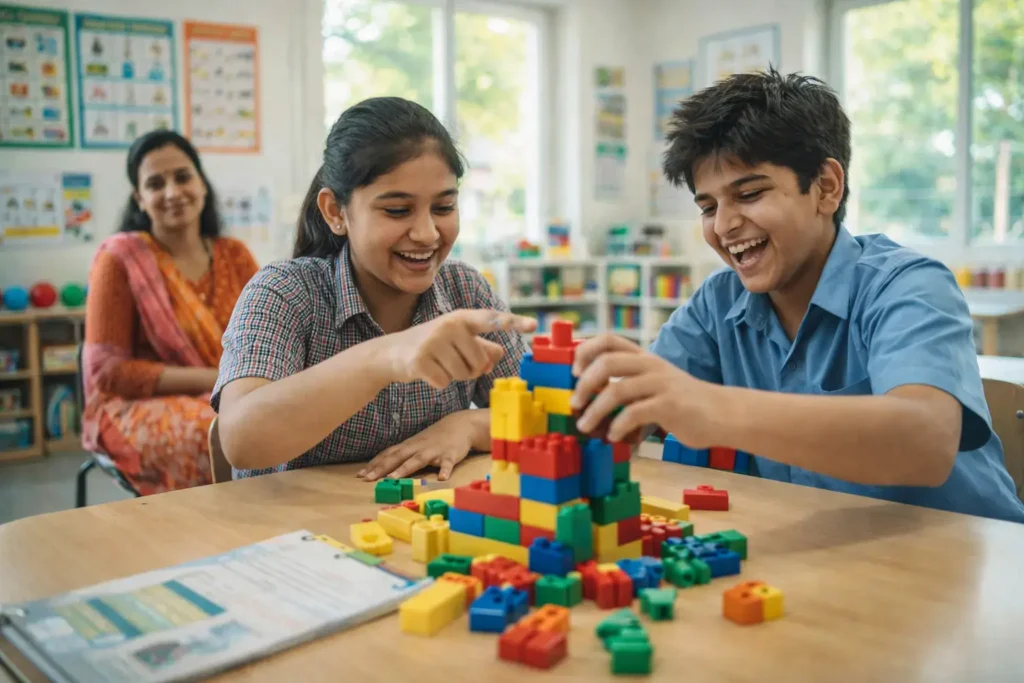
You don’t need a formal assessment to notice it. Watch for:
- Willingness to attempt something new without being coaxed
- Faster recovery after frustration — not zero frustration, just shorter
- A child who asks questions, looks around, or says “can I try?”
- Voluntary communication about needs or feelings
These are signs the brain has shifted out of survival mode and into learning mode.
How Families Can Help at Home
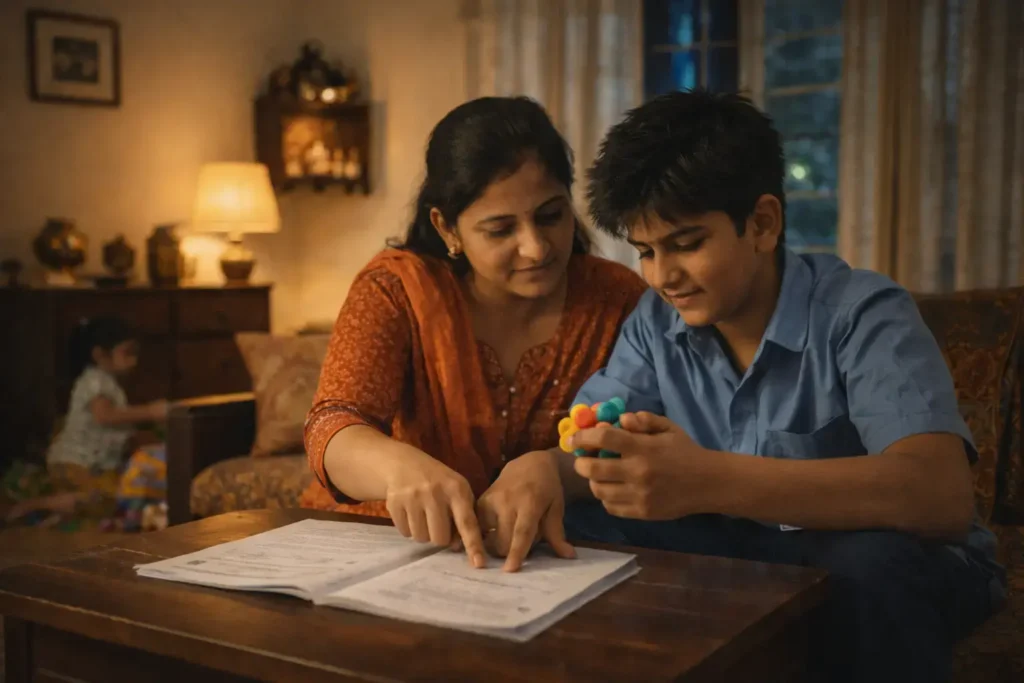
The classroom environment matters enormously, but so does what happens outside it.
- Let mistakes happen without immediate correction
- Keep daily routines consistent, especially around meals and bedtime
- Acknowledge difficult emotions rather than redirecting away from them
- Praise effort, not results
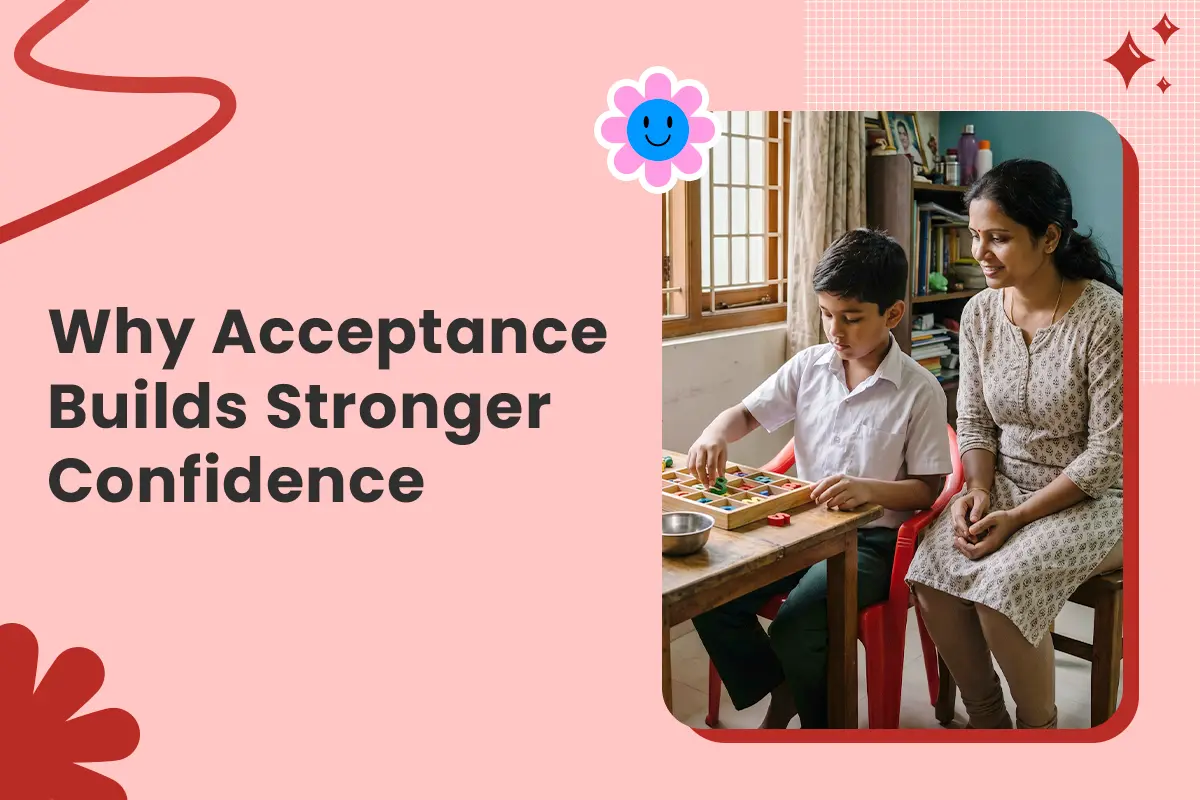
When home and school send the same message — you are safe here, mistakes are fine, we are not in a rush — children settle faster and stay settled longer.
If your child is falling behind academically, it’s worth asking a different question first: do they feel safe enough to try?
Fear closes the mind. Security opens it. That’s not idealism — it’s what we’ve seen with children who were written off as “too difficult” before anyone thought to slow down and actually earn their trust first.
At Sorem Special Children School, that’s always where we start.