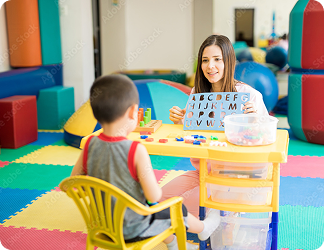
Imagine a child reaching out, pointing to a butterfly on the window, eyes wide with excitement — but no words come. For many parents, this moment is both beautiful and heartbreaking. Here is something important to understand: that point, that gaze, that smile — that is communication. And it is exactly where speech therapy begins.
Speech therapy for children is far more than teaching a child to say words correctly. It is about opening every possible door to connection — through gestures, expressions, play, technology, and yes, eventually words. At SOREM, speech therapy is woven into daily learning because we believe every child has something to say. Our job is simply to help them say it.
It Is Not Just About Talking

Many families are surprised to learn how broad speech therapy truly is. Speech-language pathologists (SLPs) work on:
- Speech — the sounds and words a child produces
- Language — understanding what others say and expressing thoughts
- Social communication — knowing how to greet, take turns, and connect
- Fluency — speaking smoothly without frustration
- Alternative communication — for children who may never rely on spoken words alone
At its heart, the goal of speech therapy is not perfection — it is connection.
What Are the Types of Speech Therapy Methods?
Play-Based & Articulation Therapy
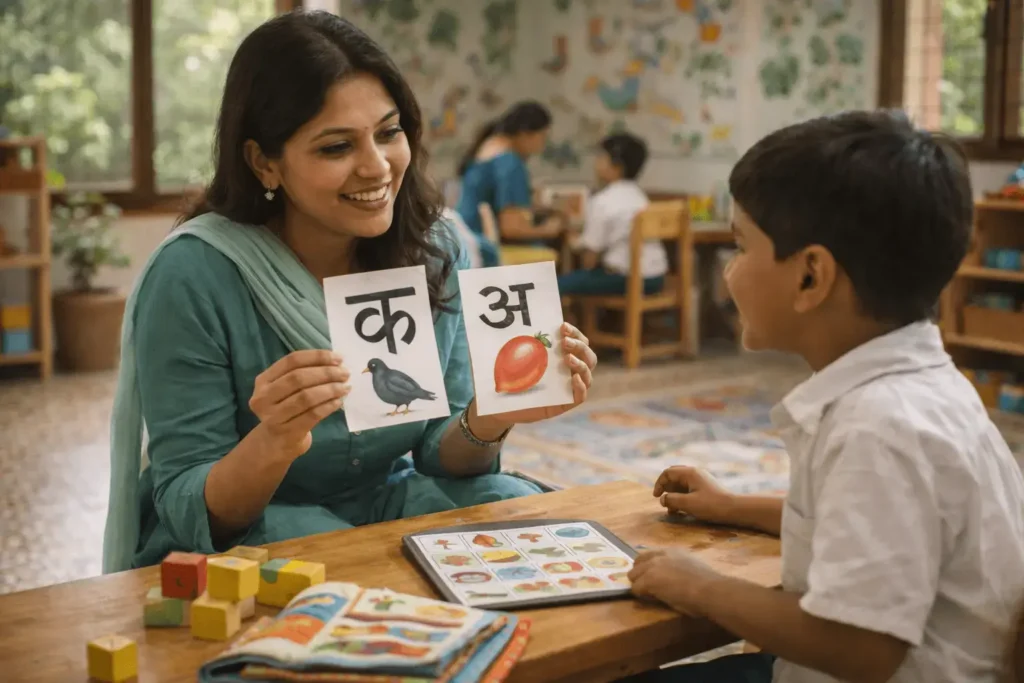
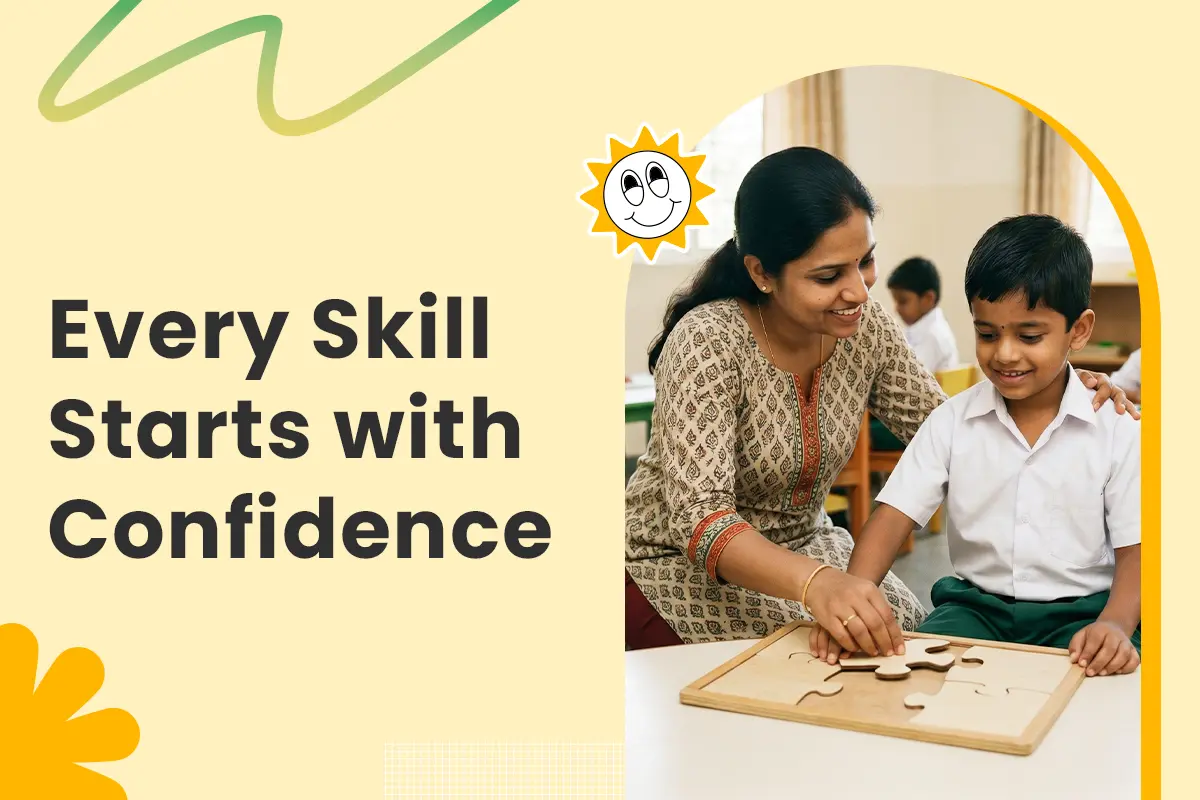
Young children learn best through play. Therapists use games, picture books, role-play, and storytelling to model sounds and build vocabulary in a natural, joyful setting. Articulation therapy specifically helps children produce sounds correctly — for example, learning how to position the tongue for the ‘r’ or ‘s’ sound. These sessions are age-appropriate, engaging, and built around each child’s world.
AAC — Giving Every Child a Voice
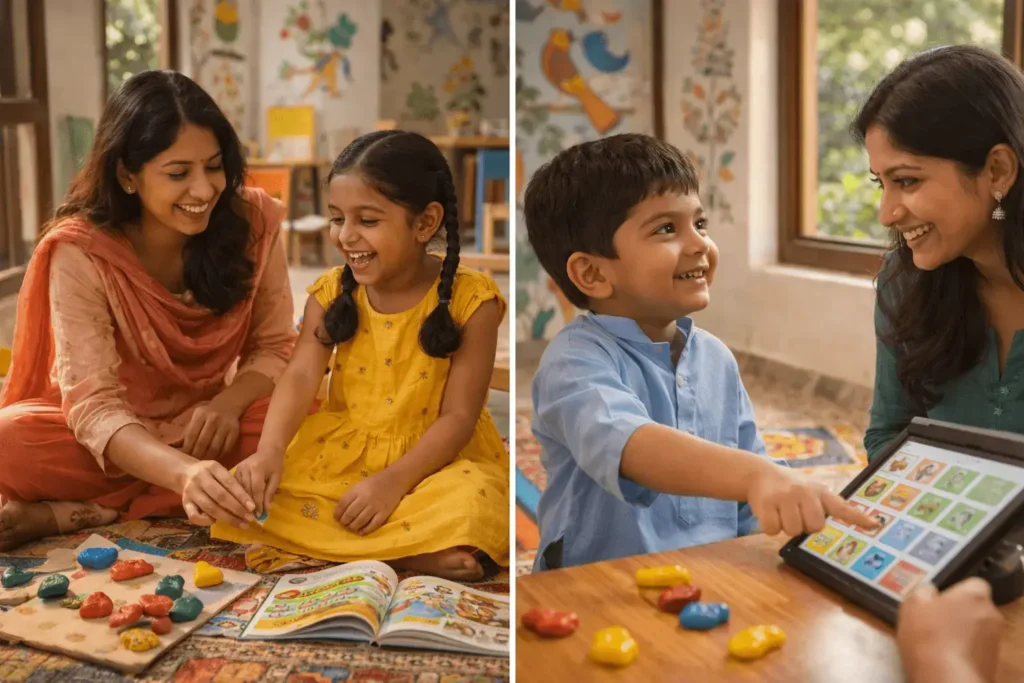
For children who face significant verbal challenges — including many children with autism or cerebral palsy — Augmentative and Alternative Communication (AAC) is a powerful solution. AAC includes communication boards, picture cards, speech-generating devices, and apps that allow children to express needs, feelings, and ideas without relying solely on spoken words. At SOREM, AAC is not seen as a last resort — it is embraced as a legitimate, empowering form of communication that builds confidence and reduces frustration.
The Power of Non-Verbal Communication in Therapy

Long before a child speaks their first word, they are already communicating — through eye contact, smiling, pointing, and reaching. Speech therapists are trained to recognise and build on these signals.
Key non-verbal techniques used in therapy include:
- Visual supports — picture cards and symbols that help children understand and respond
- Modelling — therapists demonstrate facial expressions and gestures children can imitate
- Incorporating play — activities like charades or mirroring build body language awareness
- Building rapport — open posture, warm eye contact, and encouraging expressions create a safe space to try
Research from Eastern Therapy Solutions confirms that children who struggle with verbal expression often show remarkable progress when therapists focus on non-verbal cues first — using them as a bridge to fuller communication.
When Is the Right Time to Start Speech Therapy?
The answer is simple: as early as possible. Children who begin speech therapy before age five consistently show stronger long-term outcomes in communication, social skills, and academic readiness. Data from the Royal College of Speech and Language Therapists (RCSLT) shows that 79% of children who receive speech and language therapy improve in one or more key areas — including participation in education and daily social activities.
If your child is not babbling by 12 months, not combining words by age two, or showing signs of frustration when trying to communicate — these are signals worth discussing with a specialist. Early action can make all the difference.
Equally important: untreated speech and language delays can affect reading, writing, friendships, and self-esteem well into adolescence. The earlier the support, the wider the door of possibility opens.
A Story of Progress: From Silence to Connection

When Arjun joined SOREM at age five, he communicated almost entirely through gestures and occasional sounds. Verbal interaction felt frustrating and overwhelming for him. His therapy plan began with play-based activities and a simple picture communication board. Within the first few months, Arjun began pointing to pictures to make choices — what game to play, what snack he wanted. Six months in, he was combining two-word phrases and making eye contact with his therapist and classmates.
His mother described the moment he looked at her and said “mama, play” as one of the most profound of her life.
Stories like Arjun’s are not exceptional at SOREM — they are the norm. Because when therapy is holistic, personalised, and rooted in genuine human connection, children find their voice in whatever form it takes.
How Can Parents Support Speech Therapy at Home?

Research consistently shows that children progress faster when parents are active partners in therapy. You do not need to be a trained therapist — you just need to be present and intentional. Here are simple ways to reinforce progress every day:
- Talk through daily routines — narrate what you are doing during meals, dressing, or walks
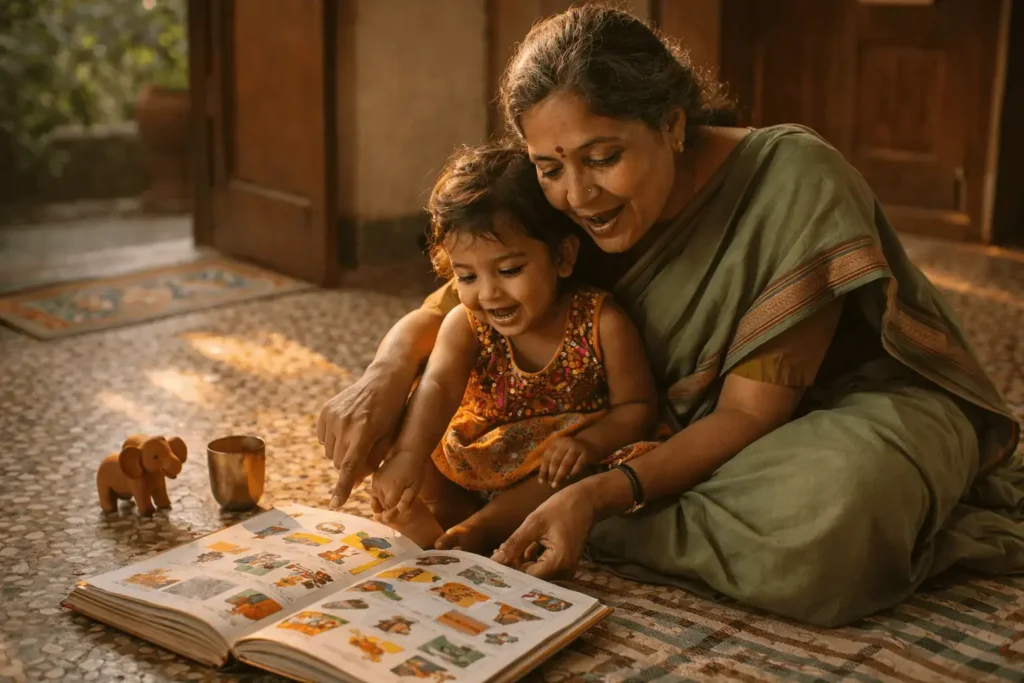
- Read together — books with repetition and pictures are especially powerful
- Celebrate every attempt — a gesture, a sound, or a new word all deserve recognition
- Reduce screen time — real conversation, even imperfect, builds far more than passive viewing
- Ask your SLP for homework — therapists at SOREM provide practical strategies tailored to your child
Every Child Has Something to Say

Speech therapy is not about making a child “normal” — it is about unlocking who they already are. Whether through words, signs, pictures, or a smile that lights up the room, every child is communicating. The role of speech therapy — and of SOREM — is to ensure that communication is heard, understood, and celebrated.
If you have noticed delays or challenges in your child’s communication, do not wait. Early support creates lifelong possibility.