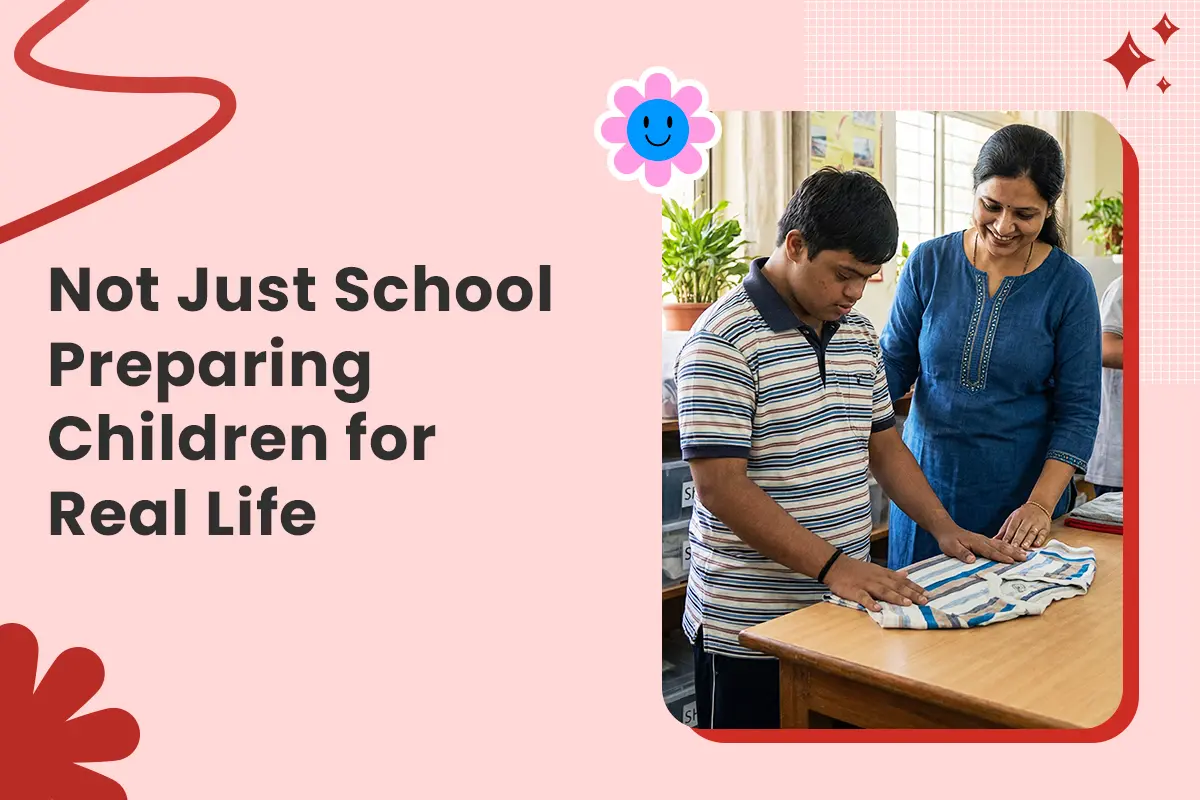
For children with autism, intellectual disability, or cerebral palsy, the skills that matter most are not academic. They are daily living, communication, money sense, and work readiness. Under the RPWD Act 2016, your child has legal rights to vocational training. Start early.
School will end. Adulthood will arrive. The question is only whether your child is ready.
Why adulthood planning cannot start at Class 10
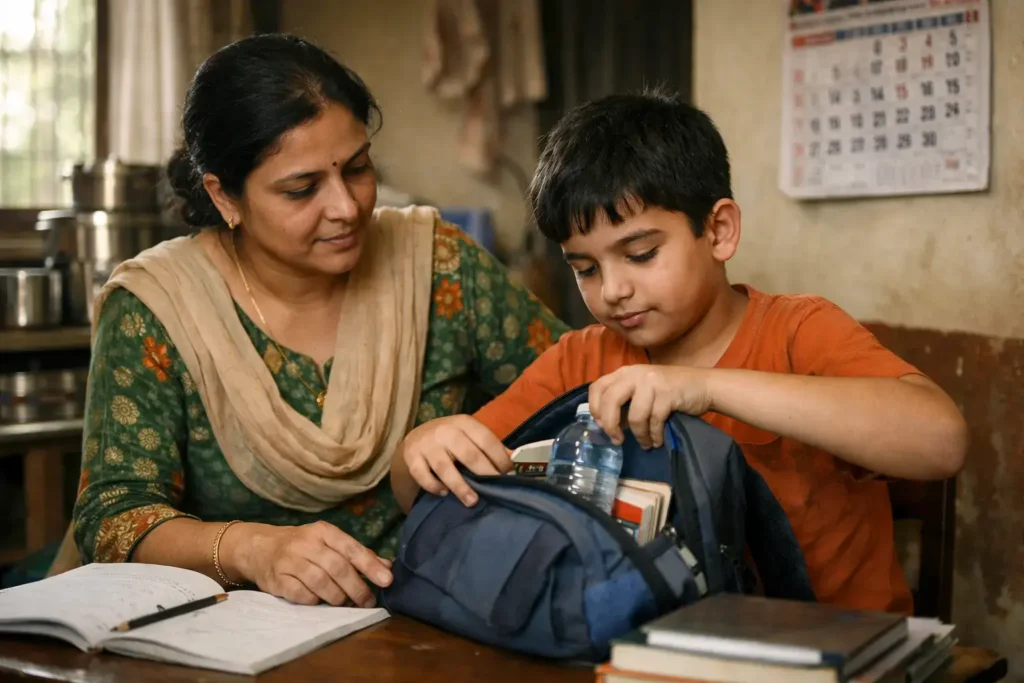
Children who begin building life skills between ages 8 and 10 have years of practice before adulthood arrives. Children who start at 16 are already playing catch-up.
In India, support services often end abruptly at age 18. The RPWD Act, Sections 19 to 23, requires the government to provide vocational training and self-employment support for persons with disabilities. That right exists now.
What are the skills that actually matter?
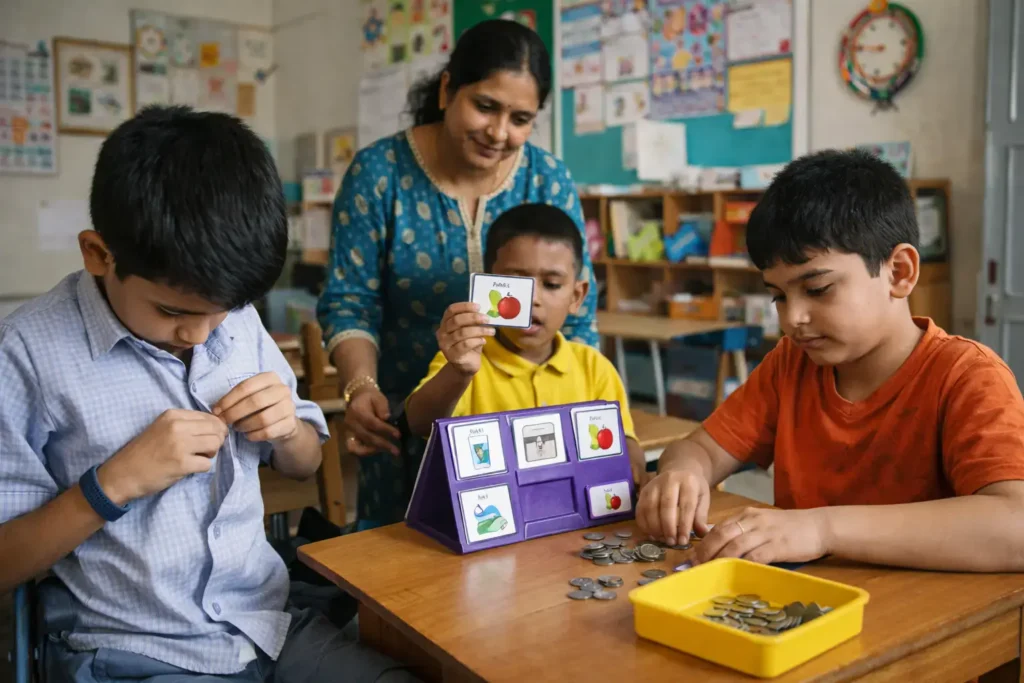
Six areas form the foundation of adult independence:
Daily living: Dressing, cooking simple meals, managing hygiene. These change the quality of life for the whole family.
Communication: Expressing needs reliably through speech, picture boards, or AAC devices.
Basic money sense: Recognising currency and completing a simple transaction. SOREM’s Vocational and Independence Training builds this through real practice.
Safety awareness: Knowing their name, address, and what to do when something feels wrong.
Social interaction: Greeting people, waiting in line, following instructions from an unfamiliar adult.
Work readiness: Completing a task from start to finish and working alongside others.
Where does vocational training fit?
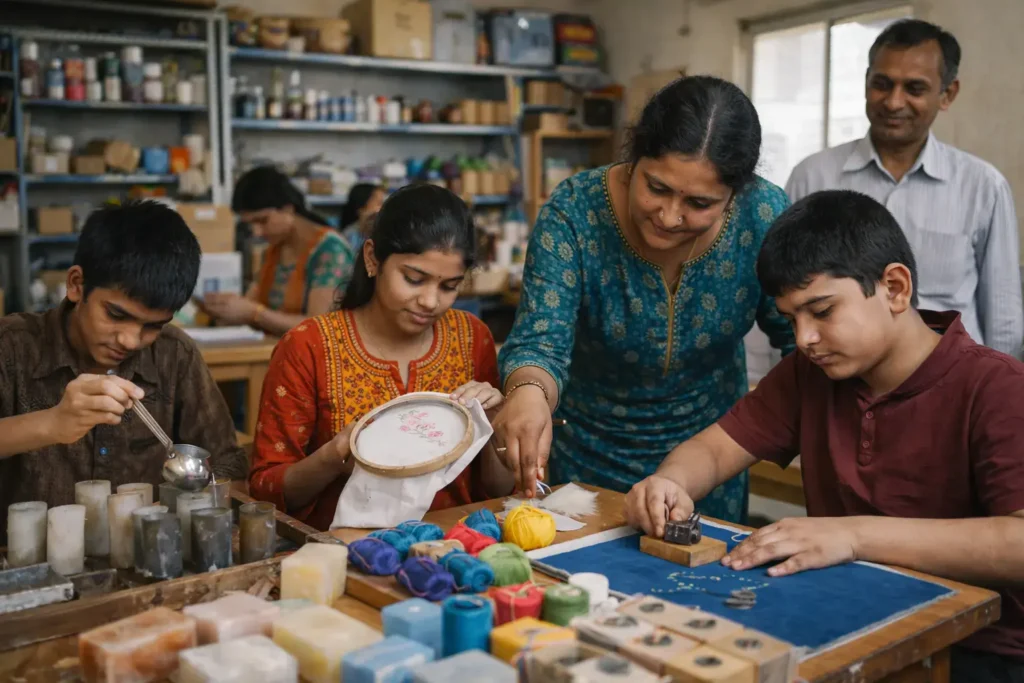
For many children with developmental disabilities, vocational training is the path to dignity, not a fallback.
SOREM’s आश्रय कार्यशाला gives young adults real work: candle making, block printing, embroidery. Students who complete the NIOS 10th and 12th pathway alongside vocational training have far more options after school.
The National Trust Gharaunda scheme supports adults with autism, cerebral palsy, and intellectual disability. Knowing it exists matters.
A child who can hold a task, greet a customer, and stay on time already has the core of employability.
What can parents do right now?

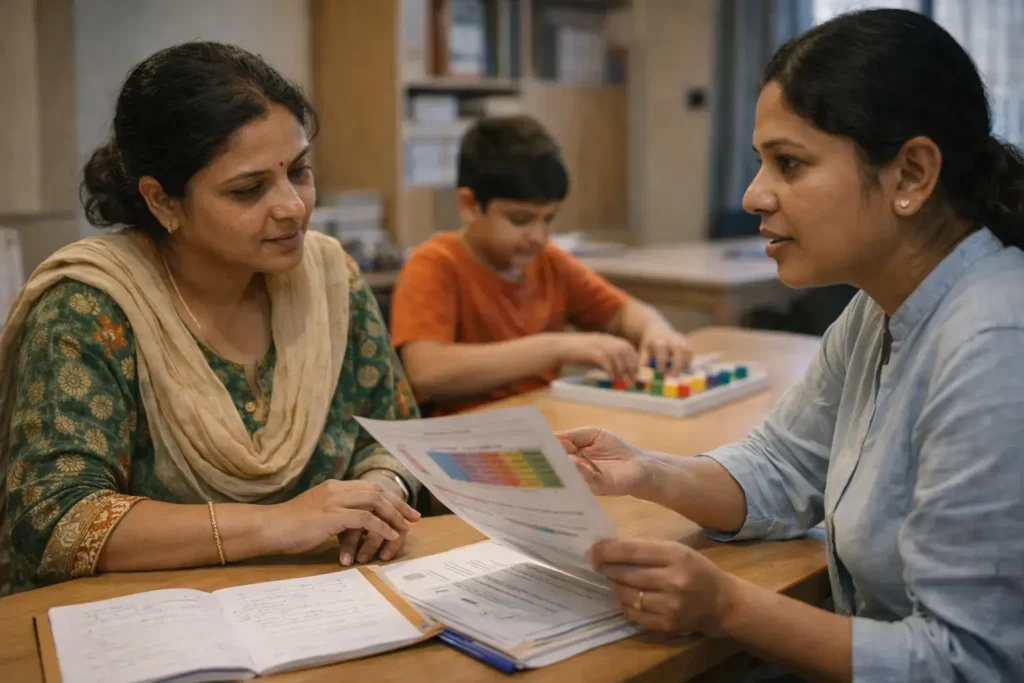
Start at home. Let your child carry their own bag. Let them order their own food, even if it takes longer. Ask your school about an ITP (Individual Transition Plan). Contact SOREM to learn how transition planning works for your child’s age and ability.
5 Frequently Asked Questions
Q: At what age should adulthood planning start? Between ages 8 and 10. Small skill-building now gives years of practice before adulthood arrives.
Q: My child is non-verbal. Can they be vocationally trained? Yes. Many non-verbal individuals excel in structured, task-based work environments.
Q: What employment rights does my child have? The RPWD Act 2016 reserves 4% of government jobs for persons with benchmark disabilities and requires reasonable workplace accommodation.
Q: What is a Sheltered Workshop? A supported work environment where young adults produce goods at their own pace, bridging therapy and the open job market.
Q: Does SOREM help with post-school transition? Get in touch to understand how ITPs and vocational programs are structured for your child.