Nearly 15% of Indian toddlers aged 12 to 36 months show delay in at least one developmental area. Language delay is most common. If your child is missing milestones, do not wait and watch. Early intervention in the first five years produces outcomes that become very hard to achieve later.
Parents are almost always the first to notice. Trust what you see.
Why the first five years matter
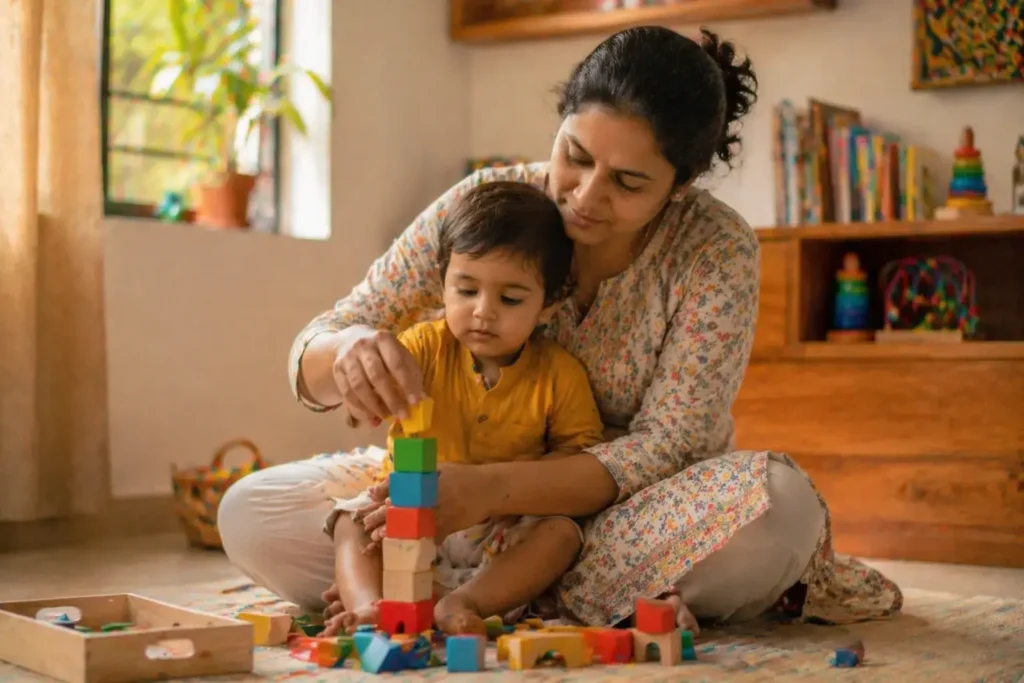
he brain develops faster between birth and age five than at any other time. Connections formed in this window shape how a child learns, speaks, and relates to others. This is why early intervention works.
A PLOS Medicine study across five Indian states found nearly 1 in 8 children aged 2 to 9 has at least one neurodevelopmental condition. India has the highest population of children with cerebral palsy and intellectual disability globally. Most are not identified early enough.
Signs from 0 to 12 months
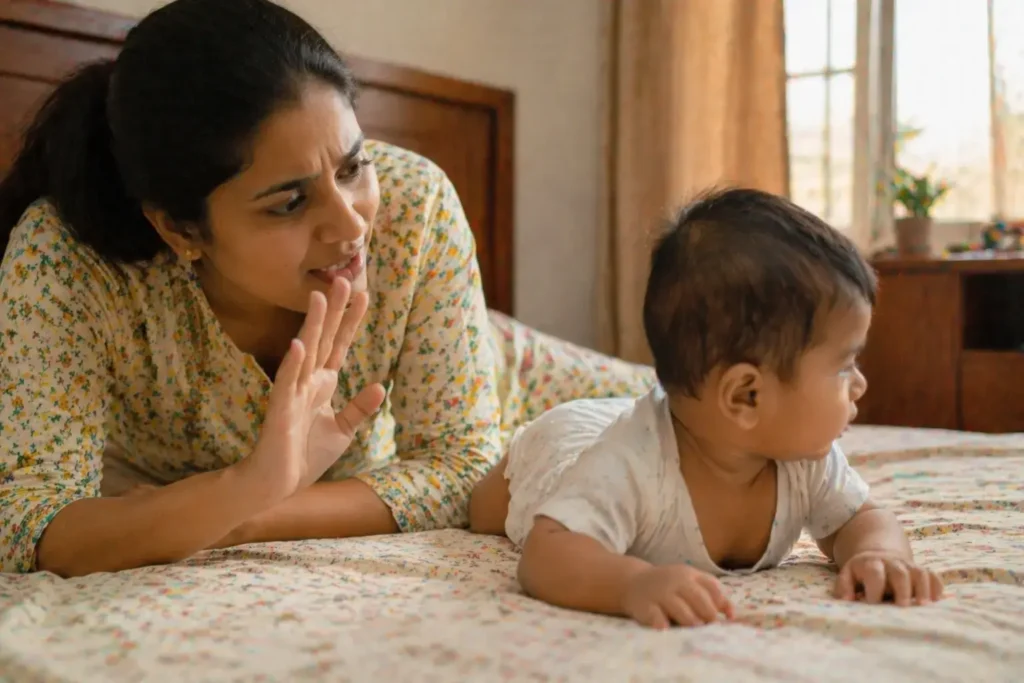
By 3 months: Not smiling at faces, not reacting to sounds. By 6 months: No babbling, not reaching for objects. By 9 months: No back-and-forth sounds, not sitting with support.
By 12 months: No pointing, waving, or gestures, no words, not responding to their own name. Kennedy Krieger Institute research shows early autism signs can appear from 6 months.
Signs from 1 to 3 years
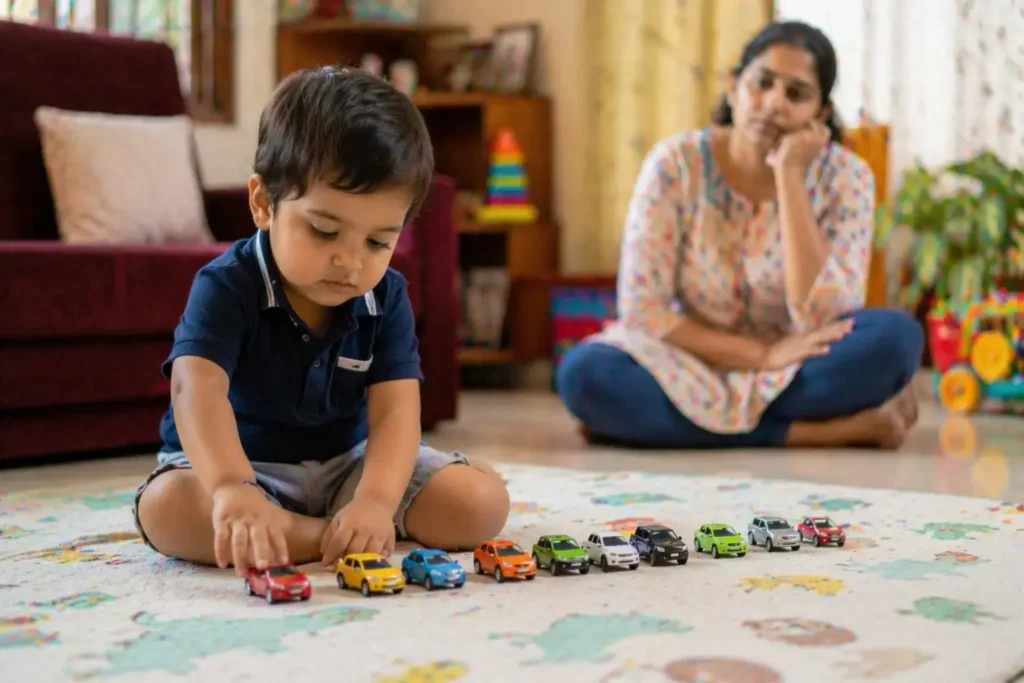
The clearest red flag is regression: a child losing skills already gained. A toddler who said words and then stops always needs investigation.
Other signs: no pointing to share interest, repetitive movements like hand-flapping, no pretend play by 18 months, no two-word phrases by age 2. For cerebral palsy: stiff or floppy limbs, not sitting by 9 months, not walking by 18 months.
Speech delay alone is not a diagnosis. But with no eye contact, no pointing, and no pretend play, it is a pattern that needs attention today.
Signs from 3 to 5 years
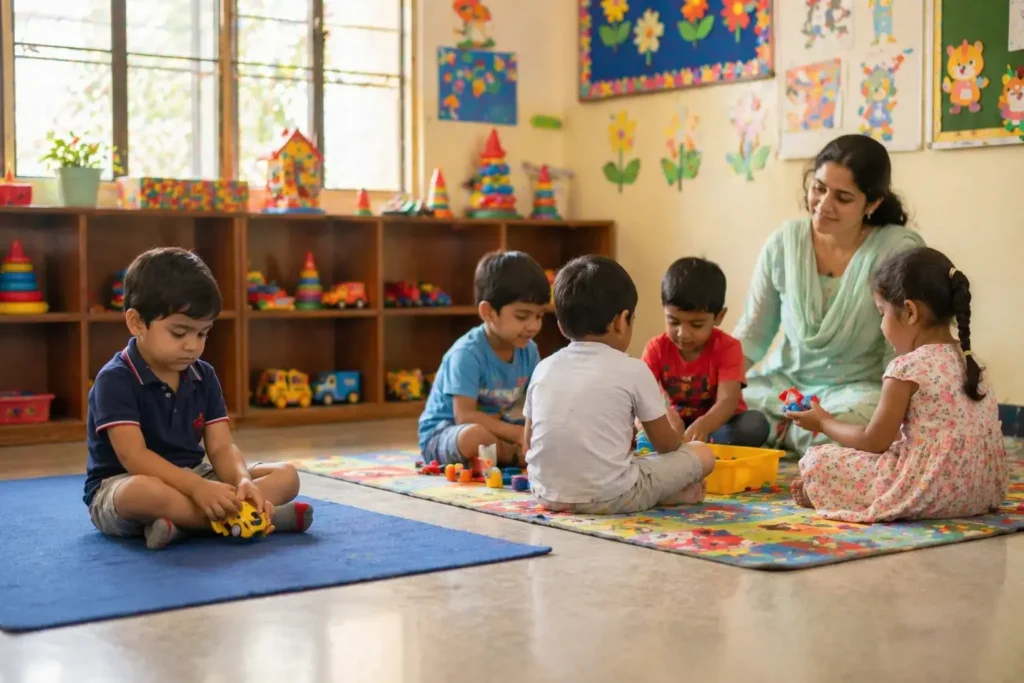
By age 3, children should use short sentences and understand simple instructions. Concerns: no connected sentences by 3, intense tantrums, no interest in other children by 4, persistent toilet training difficulty past expected age.
Indian Pediatrics guidelines are clear: do not wait for a diagnosis to begin early intervention therapies. Starting speech or occupational therapy when a delay is noticed always produces better outcomes.
What to do right now

Write down exactly what you see. ‘My child is 18 months and has said no words. He does not look up when I call his name.’ Take that note to a developmental paediatrician. Ask for speech and occupational therapy referrals immediately. Then connect with a school that specialises in early development. SOREM’s programs meet children at their current level. Contact our team to find the right fit.
5 Frequently Asked Questions
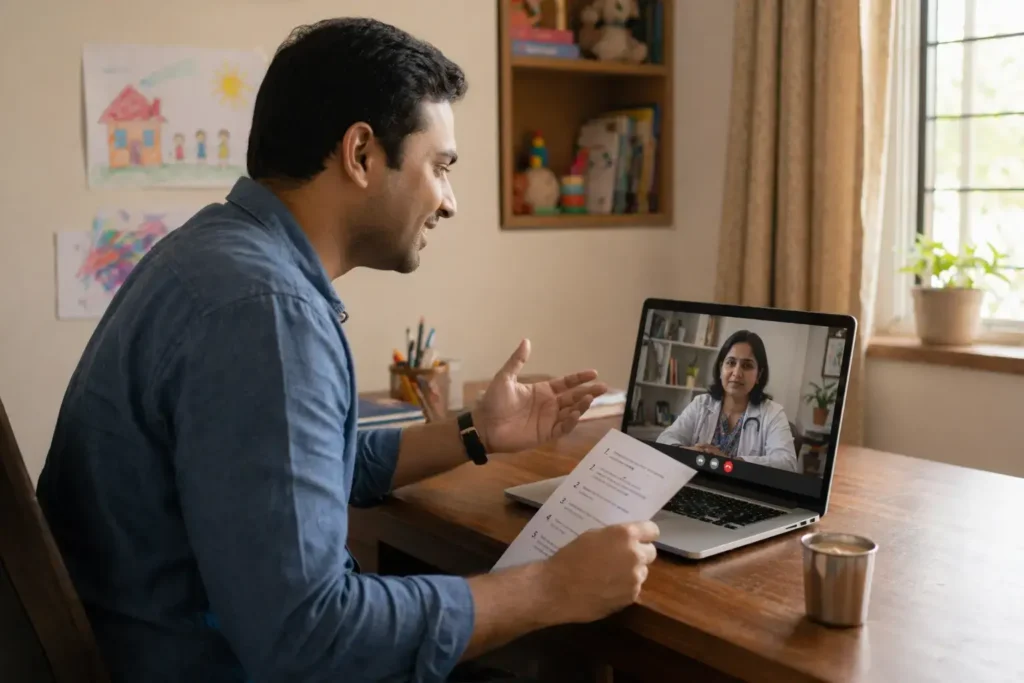
Q: My 2-year-old has no words. Act immediately? Yes. See a developmental paediatrician this week.
Q: Is speech delay always autism? No. But combined with no eye contact and no social play, it needs a full evaluation.
Q: Do boys really develop slower? Minor differences exist. When milestones are clearly absent across areas, gender is not the reason.
Q: What screening tools are used? M-CHAT-R, Ages and Stages Questionnaire, developmental observation, hearing and vision checks.
Q: How does SOREM support newly identified children? Contact us to match your child’s profile to the right program.