Most families raising a child with a disability feel invisible in their own neighbourhood. Yet research shows that community involvement, not just professional therapy, helps children develop and reduces family isolation. You don’t need a big programme or a policy committee. You need neighbours who say hello, extended family who don’t stare, and housing societies that include rather than overlook. This post gives you small, specific steps that actually work.
According to UNESCO, 75% of disabled children in India remain outside formal education. That figure reflects what communities believe. It also reflects what they do. Inclusive communities don’t require grand gestures. They need small, consistent ones.
Why does community inclusion matter more than most parents realise?
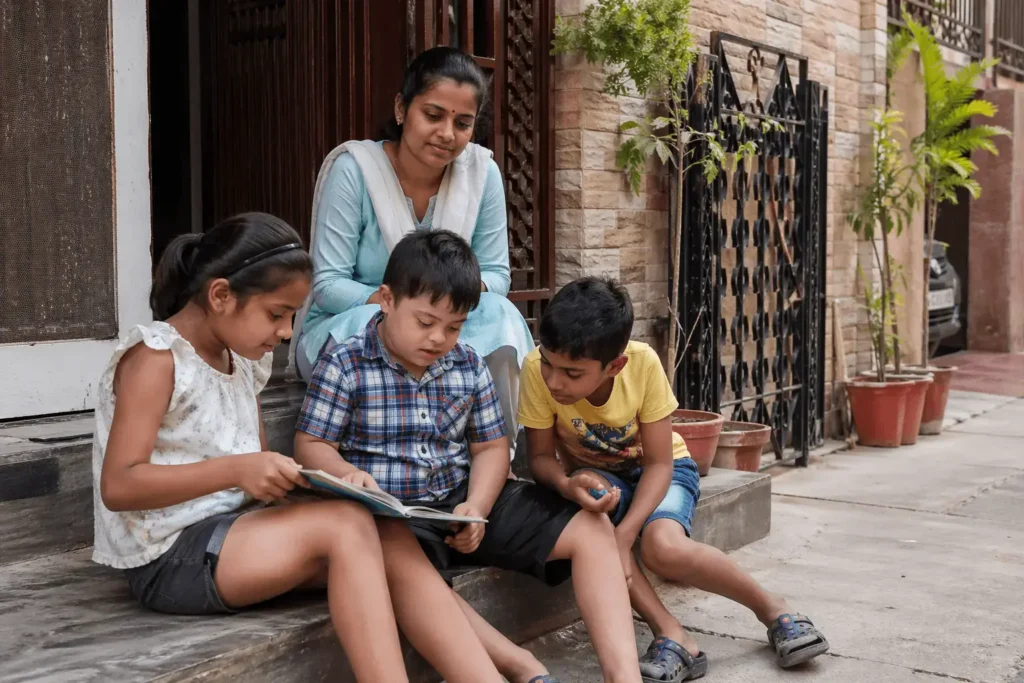
When children with disabilities are part of neighbourhood life, they practise social skills in real settings, families feel less isolated, and stigma reduces over time. Community inclusion matters as much as therapy for long-term outcomes.
UNICEF estimates 240 million children globally live with a disability. A 2024 study from South India found that social inclusion in parent groups reduced stigma, but only when the wider community got involved too.
What gets in the way of inclusion in Indian communities?
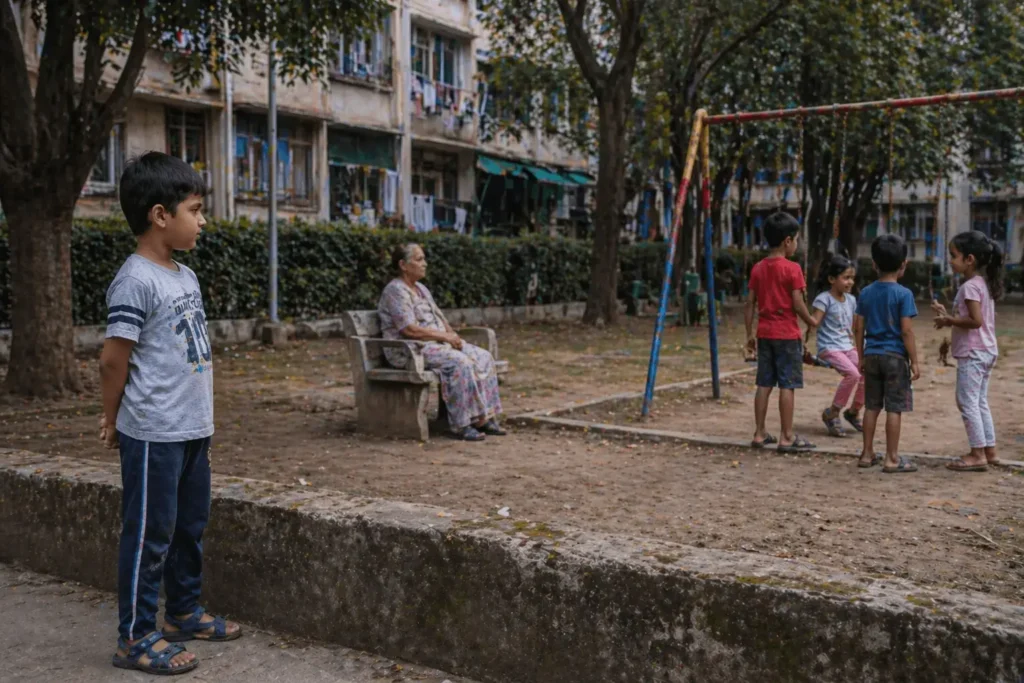
Three things block inclusion: social stigma rooted in old beliefs, physical barriers in buildings and public spaces, and simple lack of awareness. People don’t know what to say or do, so they say nothing.
In joint families, older members sometimes use language that hurts. Housing society lifts lack ramps. Play areas suit only one type of child. Less than 1% of Indian institutions meet disability-friendly standards, according to the NCPEDP.
What can neighbours and housing societies actually do?
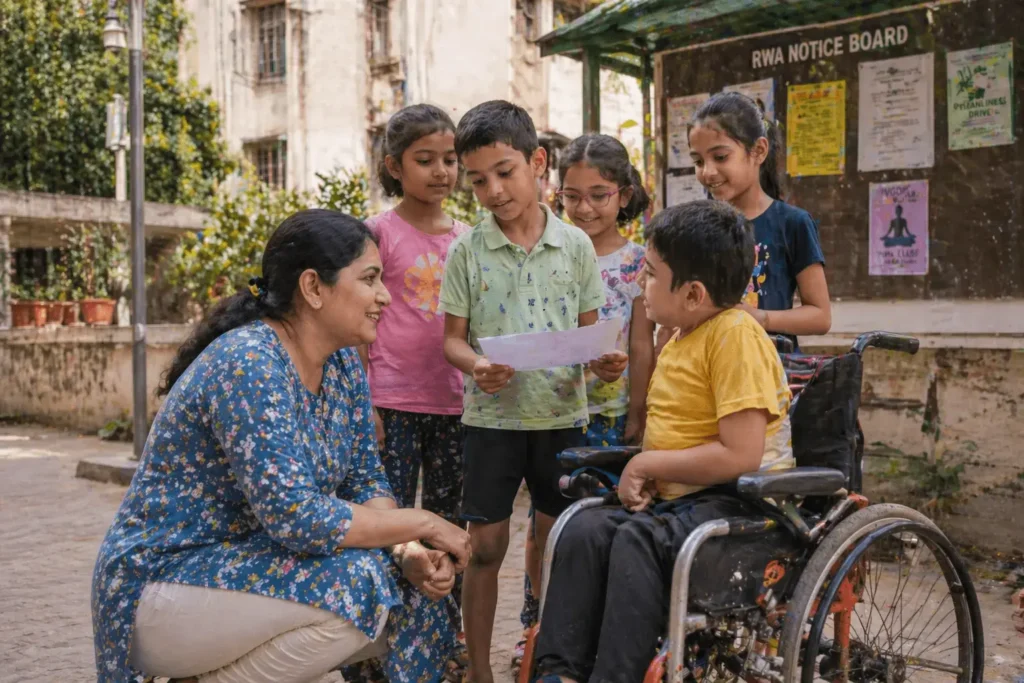
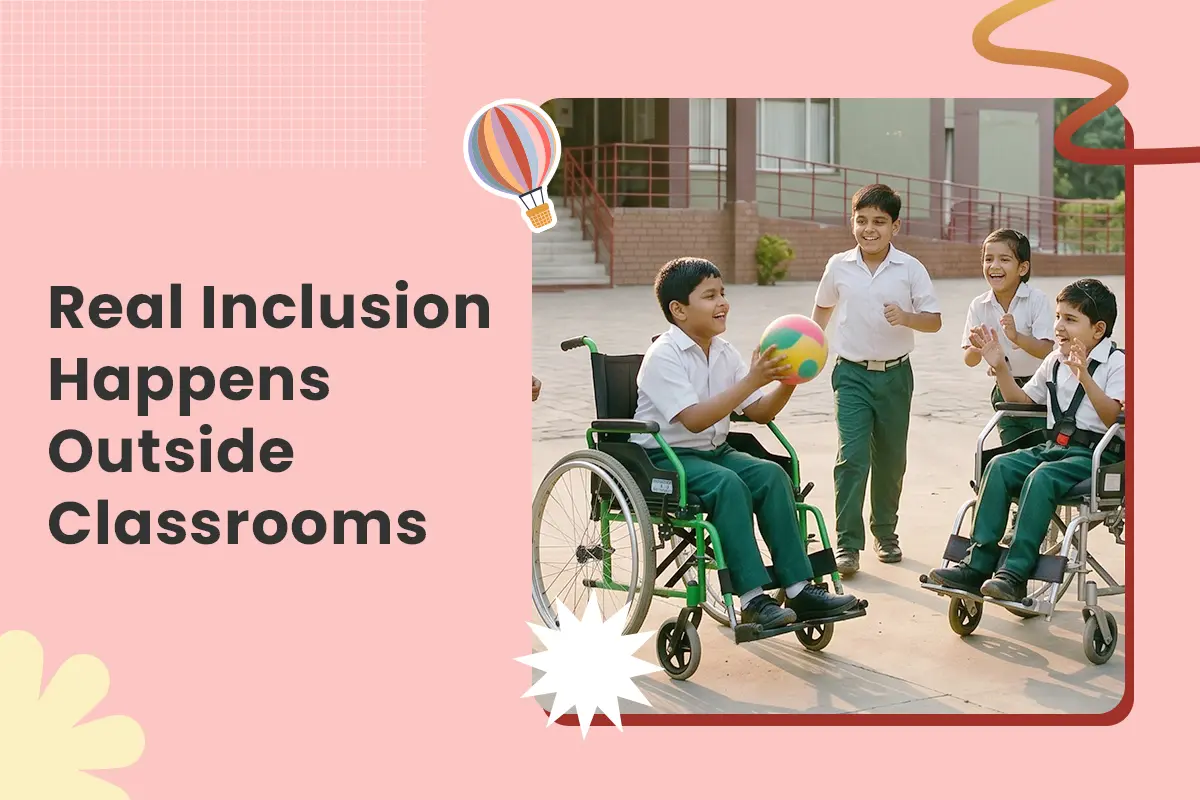
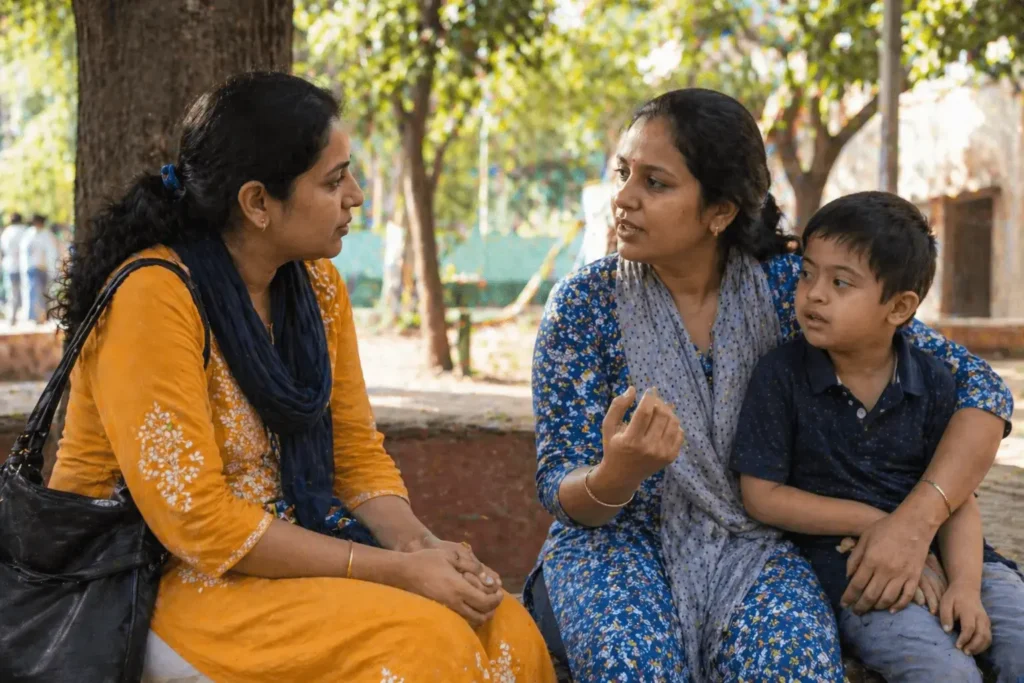
Neighbours don’t need training. They need intention. Use the child’s name. Invite them to play. Ask the parent what helps, then do it. Housing societies can ask one question before any community event: can every child here take part?
- Say hello by name every time you see the child.
- Invite the child to play alongside others, not as a special case.
- Offer to help with an errand or sit with the child for an hour.
- Teach your own children to include someone who communicates differently.
- Raise accessibility at your next RWA meeting.
SOREM’s impact page shows what community-level change looks like in practice.
How can extended family help, and where do they often go wrong?
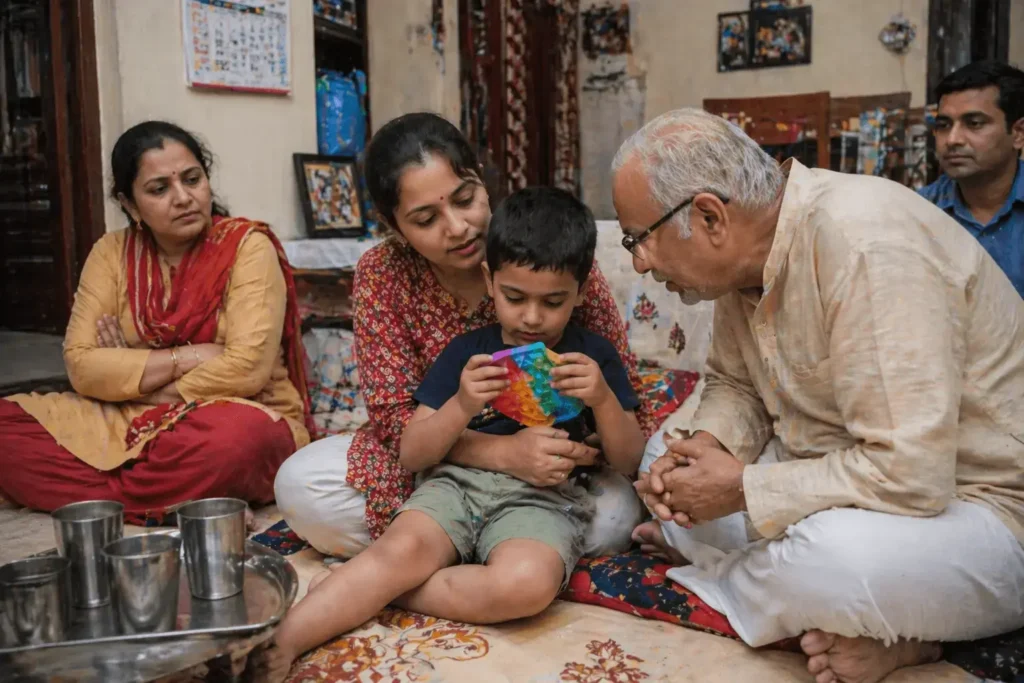
Joint families are a source of strength in India. They can also add quiet pressure without meaning to.
Grandparents who avoid the child. Aunts who whisper. Uncles who forward miracle cure messages on WhatsApp. These things pile up for a parent who is already carrying a lot.
Three things family can do: learn one communication technique the child uses; follow the parent’s lead on what the child can do, not what they can’t; and stop circulating unverified treatment advice. Help siblings explain their brother or sister to friends in calm, direct terms. Children take their cues from the adults around them.
How do schools and festivals become more inclusive?
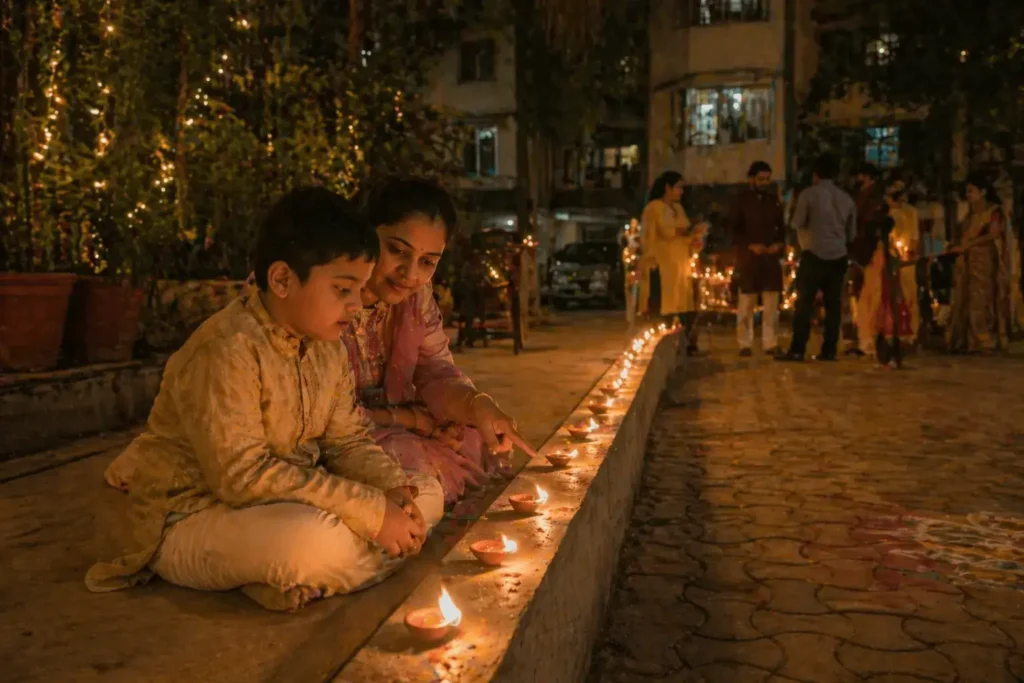
Schools can include children with disabilities in events by planning with parents early, not making last-minute exceptions. For festivals, ask what works for the child and make the invitation genuine.
Diwali fireworks are a sensory challenge for many children with autism. A quiet space and an early heads-up can make the difference. SOREM’s Creative and Physical Growth programme builds co-participation skills, supported by our therapies and interventions team for families who need extra guidance along the way.
What does the law say, and why does it matter for your community?
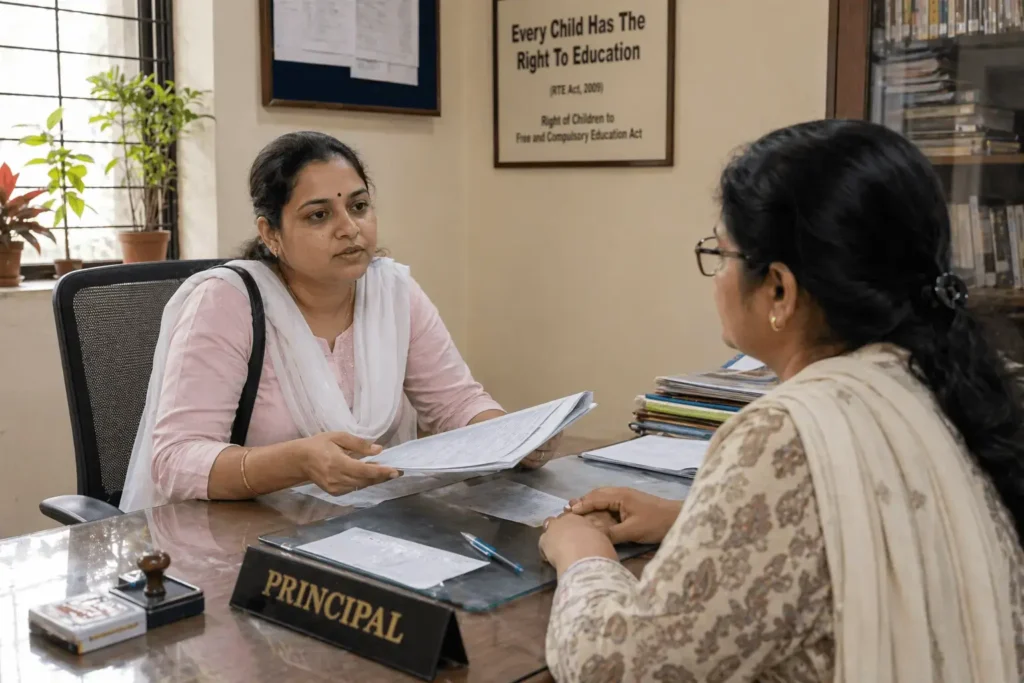
The RPWD Act 2016 guarantees free education for every child with a benchmark disability aged 6 to 18. It covers 21 disability categories and places a legal duty on private establishments to provide reasonable accommodation.
National Trust schemes, including Vikaas, Niramaya, and Gharaunda, exist for qualifying families. Most don’t know they are available.
The Supreme Court has flagged Chandigarh UT for lagging on RPWD implementation. As a parent, you have legal standing to push for compliance. SOREM’s NIOS pathway और vocational training programme are built on these rights.
Inclusion doesn’t start with a government programme. It starts with someone deciding to make room.
Talk to the parent in your building. Ask your RWA to review the play area. Teach your children to include without making it a performance. If you’re looking for a school that already works this way, come and see how SOREM does it. Get in touch with us.
Frequently asked questions
What is inclusive community living for children with disabilities?
Inclusive community living means children with disabilities participate in everyday neighbourhood life alongside their peers, in play, festivals, schools, and common spaces, without needing a special arrangement. It means communities make ordinary room for every child.
How can I help a child with autism in my neighbourhood without saying the wrong thing?
Use the child’s name. Follow the parent’s lead on communication. Don’t treat the child differently in public. If you’re unsure, ask the parent directly: “What works best for your child?” Most parents are grateful when someone asks rather than avoids.
What rights do children with disabilities have in Indian schools and housing?
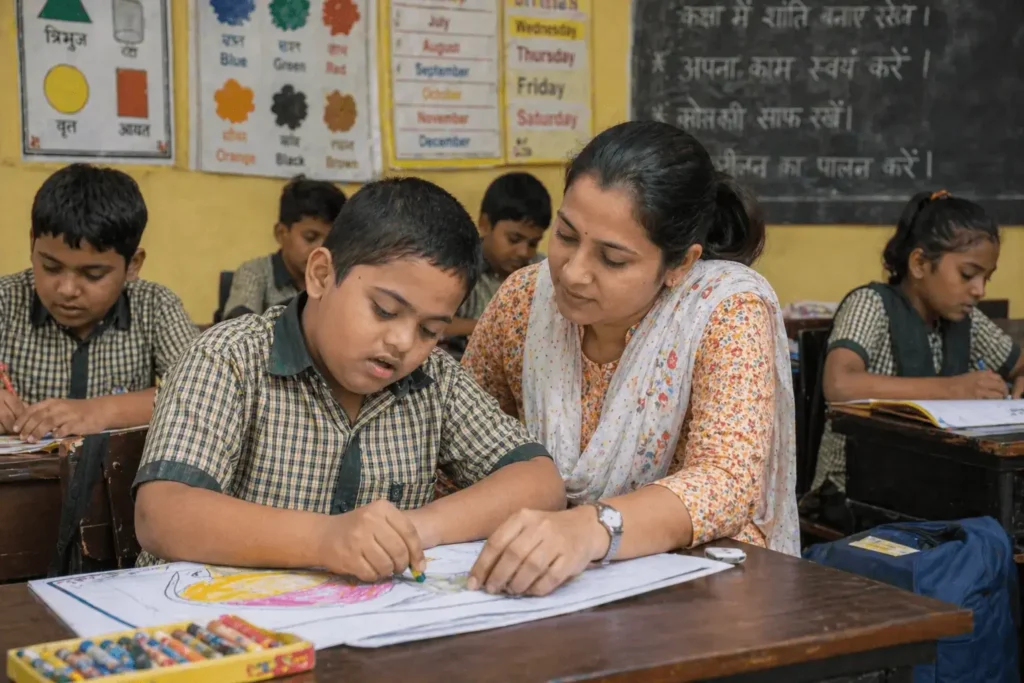
Under the RPWD Act 2016, every child with a benchmark disability has the right to free education between ages 6 and 18. Schools must provide inclusive education. Housing societies are required to meet accessibility standards. If these rights are not being met, parents can approach the State Disability Commissioner.
How do Indian joint families often affect a child with special needs, and what can they do differently?
Extended family members sometimes use outdated language, avoid the child, or share unverified treatments. This adds emotional weight to an already hard situation. Family members can help by learning how the child communicates, following the parent’s guidance, and avoiding unsolicited advice about cures.
What small changes can a housing society or RWA make to be more inclusive for children with disabilities?
Check whether lifts, ramps, and common areas are accessible. Review how community festivals are planned and whether sensory needs are considered. Include families of children with disabilities in welfare committee decisions. Even a quiet corner during Diwali celebrations costs nothing and means a great deal to some families.