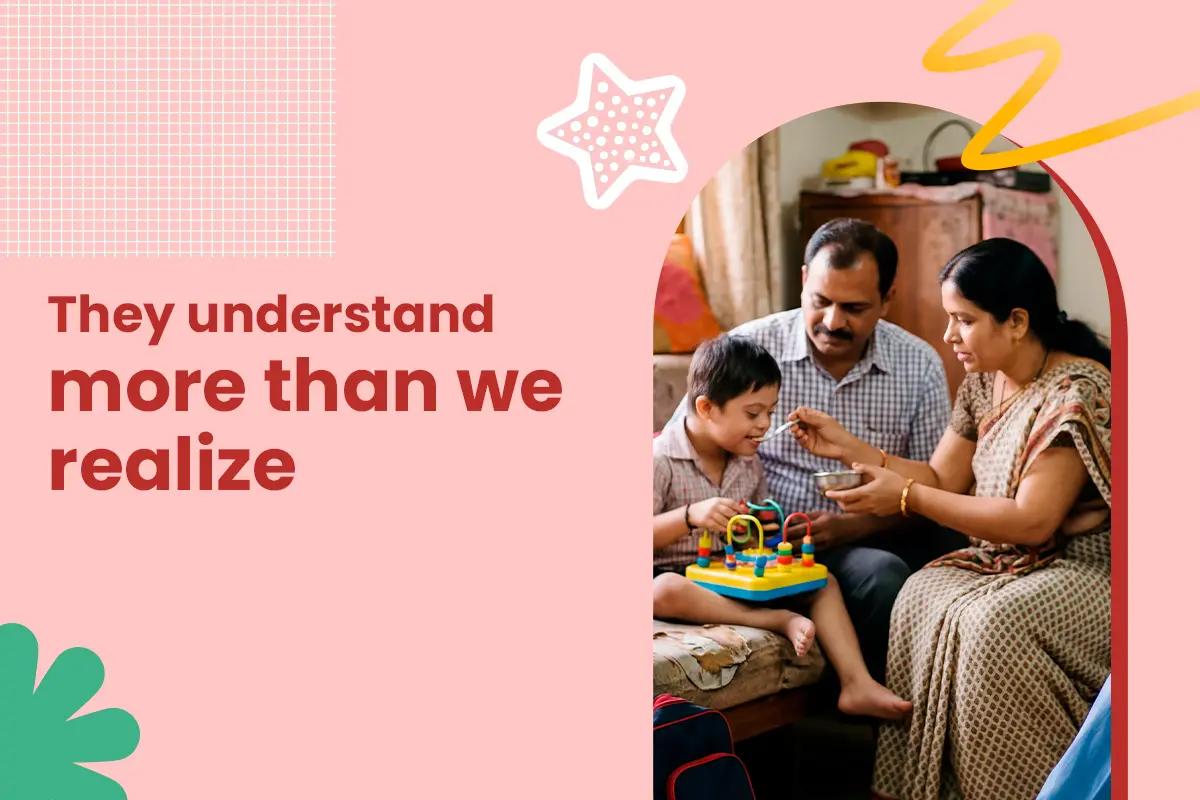
When a family has a child with special needs, most of the attention — naturally, and rightly — goes to that child. The appointments, the therapies, the school decisions. Parents pour everything into making sure their child gets what they need.
But there’s another child in that house, watching all of it.
They’re usually described as “doing fine.” They manage. They don’t ask for much. And because of that, their own emotional needs can go unnoticed for years. That’s what this is about.
What Siblings of Special Needs Children Actually Feel
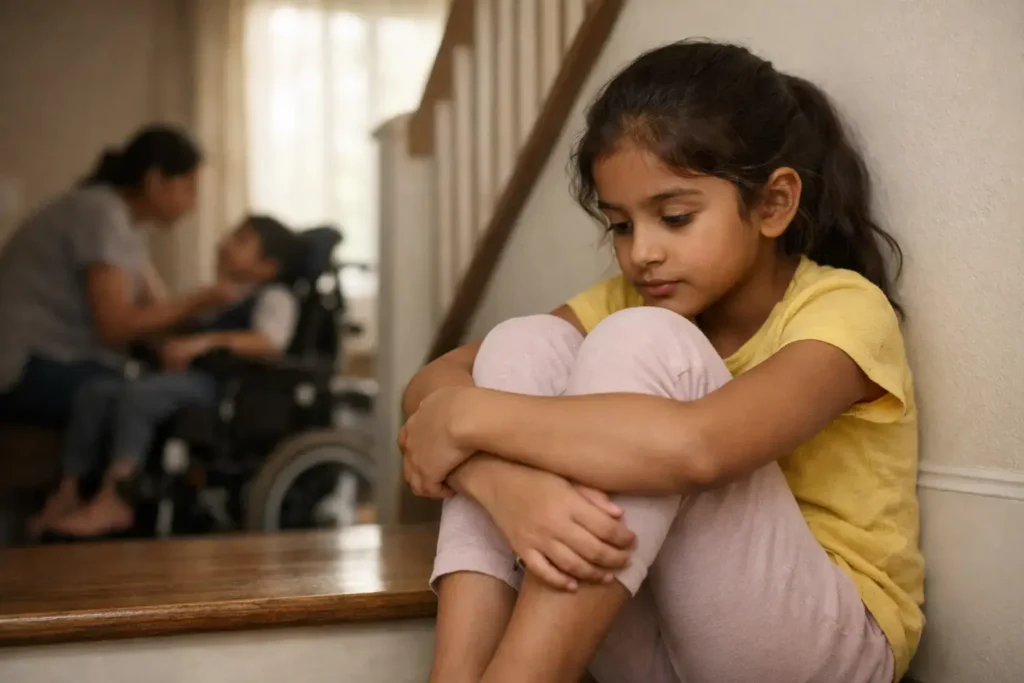
The emotions siblings carry are real, and they’re rarely simple. Most parents are surprised when they come to the surface — not because they’re strange, but because they’ve been quiet for so long.
The most common ones we hear about:
- Guilt — for being healthy, for getting frustrated, for wanting things to be different
- Jealousy — not about the sibling, but about the imbalance of attention and energy
- Worry — especially in older siblings, about what happens in the future and whether they’ll have to step in
- Loneliness — not from a lack of love, but from a family that’s stretched thin
- Pride — a quiet, fierce loyalty that most siblings carry and rarely talk about
None of these cancel each other out. A child can feel all of them in the same week. The problem isn’t that they feel this way. The problem is when there’s no space to say so.
The Invisible Weight They Carry
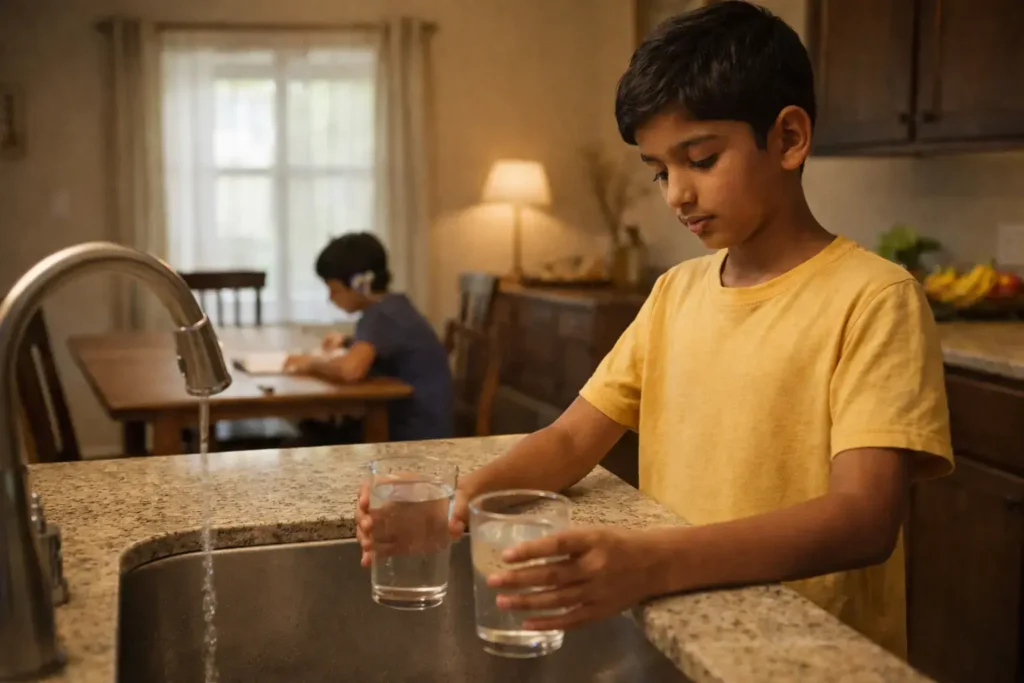
Siblings often become very good at reading the room. They learn when to stay quiet, when not to ask, when the household is at its limit. Over time, this turns into a habit of making themselves smaller — not out of resentment, but because they’ve understood that things are hard and they don’t want to add to it.
That kind of self-management is a lot to ask of a child.
It doesn’t always look like distress. It can look like maturity. Like being easy. Like “no trouble at all.” That’s worth paying attention to.
What the Brain Does With Unexpressed Emotion
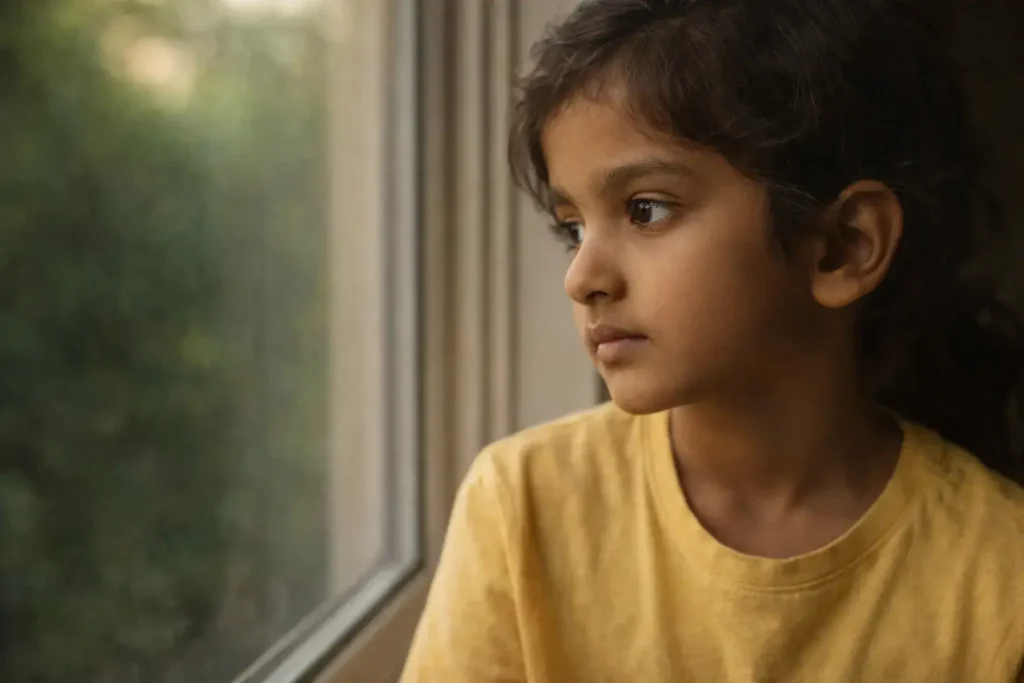
Children who don’t have space to process difficult feelings don’t stop having them. The feelings just go somewhere else — into withdrawal, into physical complaints, into sudden outbursts that seem to come from nowhere, into academic struggles that don’t match their ability.
This isn’t a behaviour problem. It’s an unmet need.
Siblings of children with special needs are not a fragile group. But they do need what every child needs: to be seen, to be heard, and to know that their feelings make sense.
Signs That a Sibling Might Need More Support
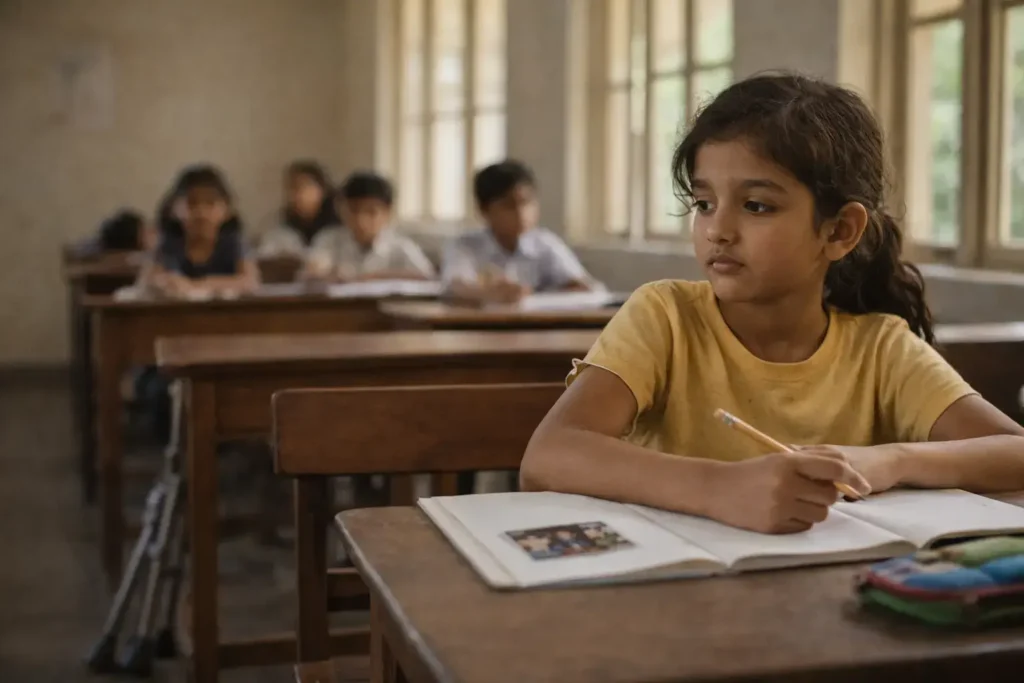
You don’t need a formal assessment to notice it. Watch for:
- Pulling away from family conversations or activities
- Saying “I’m fine” more than usual, especially when asked directly
- Changes in mood, sleep, or appetite without an obvious cause
- Avoiding friends or activities they previously enjoyed
- Becoming either very responsible or very disruptive — both can signal the same thing
These aren’t always about the family situation. But if they show up consistently, it’s worth creating space for an honest conversation.
What Siblings Actually Need From Their Parents

This isn’t about equal time — that’s often not realistic. It’s about intentional time.
- A conversation that’s just about them, not about how they’re coping with their sibling
- Permission to have difficult feelings without those feelings being corrected
- Honest, age-appropriate explanations — children fill silence with their imagination, and imagination is usually worse than the truth
- Their own activities, friendships, and identity that have nothing to do with their sibling’s needs
- The occasional reminder that their needs matter too, said plainly
A sibling who is told “I know this isn’t always easy, and I see you” is in a very different position than one who is quietly expected to manage.
How to Have the Conversation
Most siblings don’t bring this up on their own. Not because they don’t have feelings about it — because they’ve learned not to.
A few things that tend to open the door:
Ask without assuming. “How are you doing with everything at home?” is different from “You’re okay, right?” One invites honesty. The other closes it.
Let them be complicated. If they say something that sounds unkind about their sibling, that’s not the moment to correct them. That’s the moment to say “I get that. Tell me more.”
Don’t promise what you can’t deliver. Siblings are perceptive. They know when you’re managing them. Honesty — even uncomfortable honesty — builds more trust.
When to Bring in Outside Support
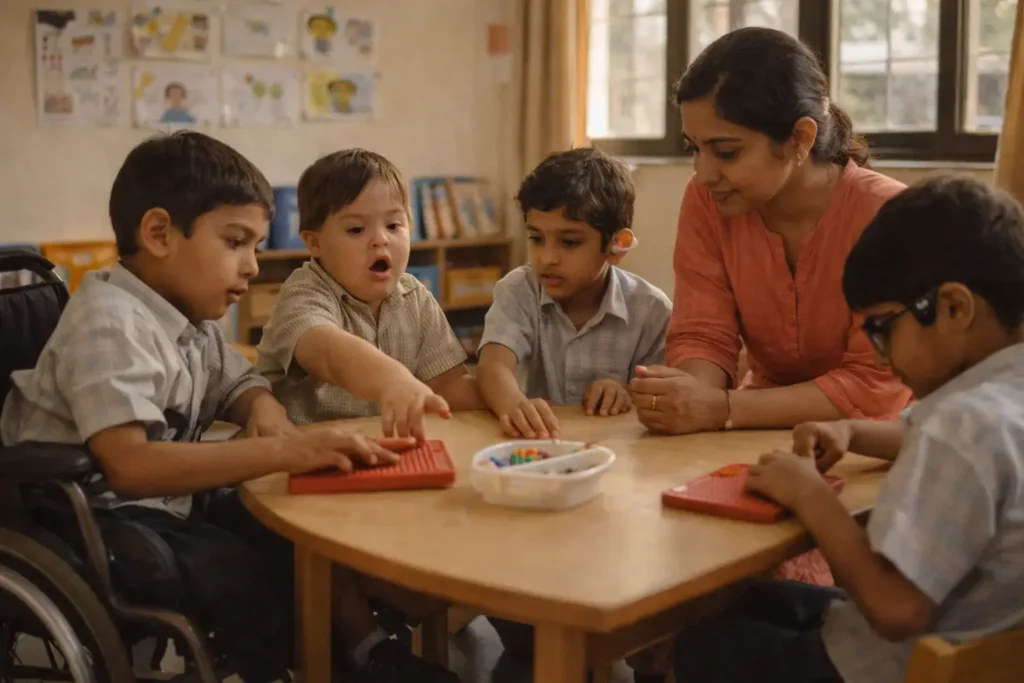
Some siblings do well with a little extra support outside the family. A school counsellor, a child therapist, or a sibling support group can give them a space to say things they feel they can’t say at home.
This isn’t a sign that something has gone wrong. It’s a sign the child is being taken seriously.
Families who acknowledge that everyone in the household is affected tend to do better over time — not because it gets easier, but because nobody is carrying it alone.
At Sorem Special Children School, we work with families, not just children. If you’re wondering how to better support your other children through this journey, we’re here to talk.