When a child has special needs, most conversations revolve around therapy sessions, intervention plans, school readiness, behaviour charts, and progress milestones. The spotlight remains on the child – as it should. Yet, quietly and consistently, another individual carries an equally demanding role: the caregiver.
At Sorem Special Children School, we often meet parents who are deeply committed, attentive, and resilient – but emotionally exhausted. What is rarely acknowledged openly is this: caregivers also need support.
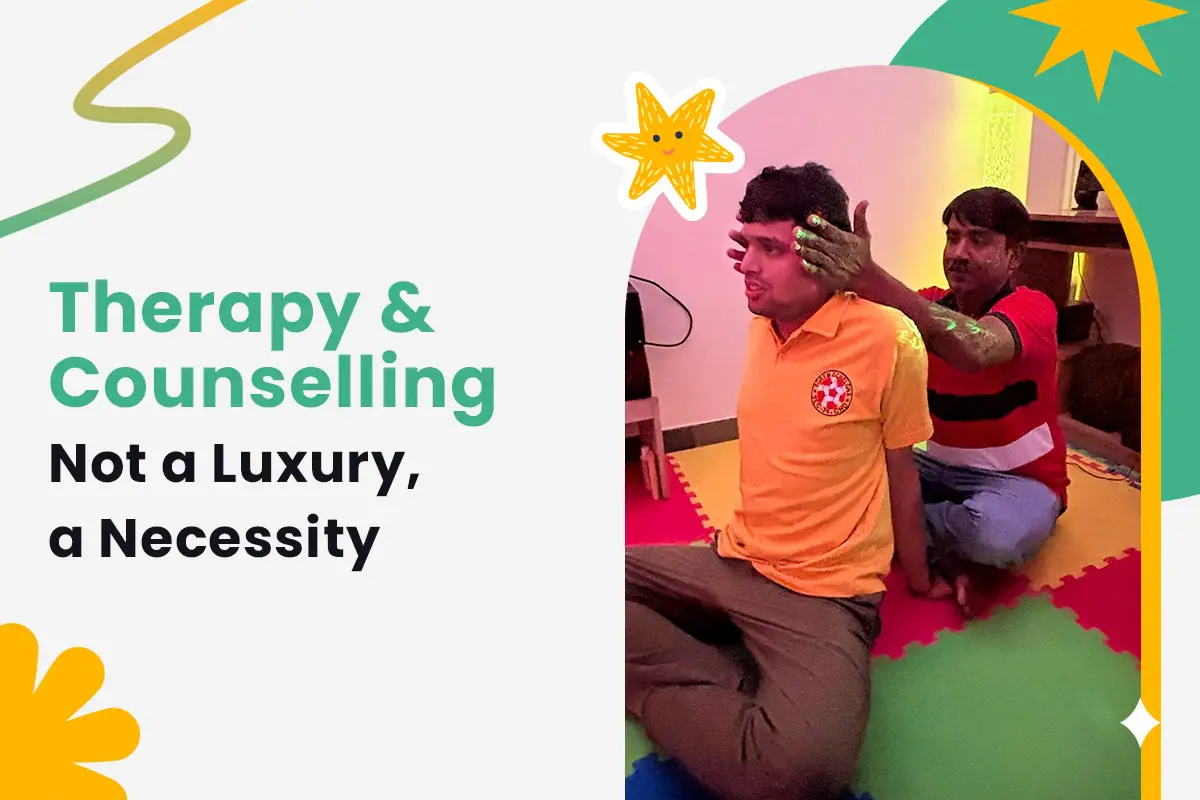
Therapy and counselling for caregivers are not luxuries. They are necessities.
Why Caregivers Rarely Seek Support

Many caregivers are conditioned to prioritise their child’s needs above everything else. There is an unspoken belief that strength means endurance – that seeking help signals weakness or inability.
The focus remains on:
- The child’s therapy schedule
- Academic progress
- Behaviour management
- Medical or developmental consultations
In this constant cycle of responsibility, caregivers often silence their own emotional needs.
Over time, suppressed emotions do not disappear. They accumulate.
What Therapy and Counselling Actually Provide

Therapy is not about labelling or diagnosing caregivers. It is about creating space – space that is rarely available in daily life.
Professional counselling offers:
- A neutral environment to release suppressed emotions
- Tools to manage chronic stress and anxiety
- Perspective without judgment
- Validation without expectation
Caregivers often operate in environments where they must always be composed, strong, and solution-oriented. Therapy allows them to be human.
Seeking help does not indicate inability. It indicates awareness.
The Weight of Chronic Emotional Responsibility

Parenting a child with special needs is not a short-term commitment. It is a sustained journey that requires emotional presence, advocacy, planning, and resilience.
Over time, caregivers may experience:
- Persistent fatigue
- Emotional numbness
- Irritability
- Difficulty sleeping
- Feelings of isolation
These are not signs of failure. They are signs that the emotional load has been heavy for too long.
Acknowledging this is not self-indulgent – it is responsible.
The Importance of Respite and Permission to Pause
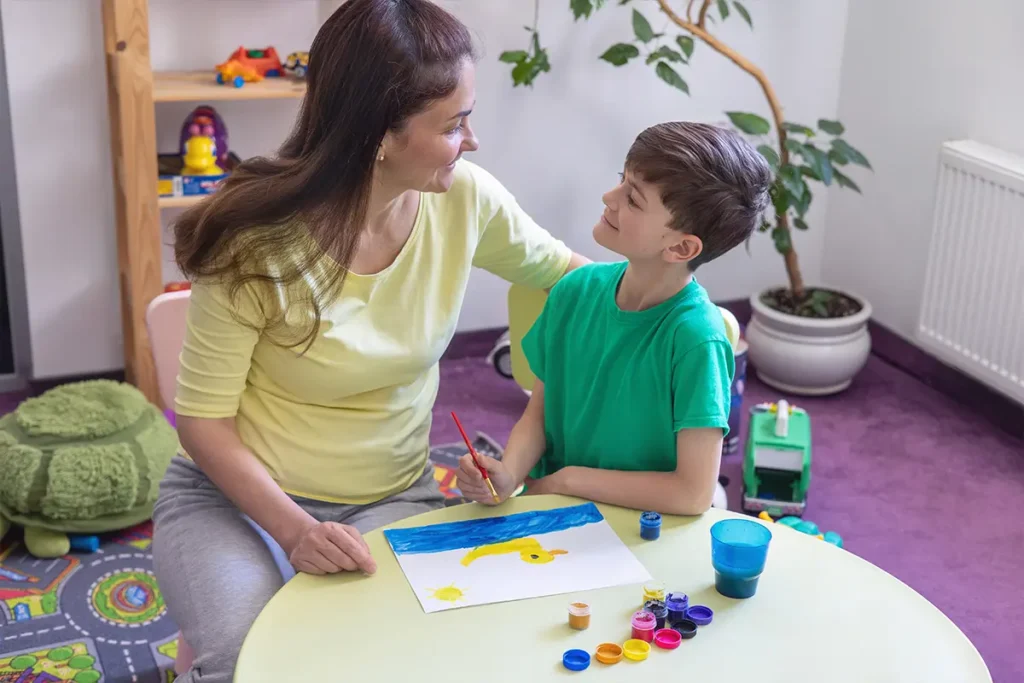
Caregivers are often conditioned to function even when depleted. Many believe they must be available at all times, prepared for every situation, and responsive to every need.
But constant availability is not sustainable.
Respite is not abandonment.
Stepping back briefly is not neglect.
Taking space — whether for a few hours, a day, or simply a moment of silence — is an act of self-preservation.
Respite may include:
- Allowing someone else to supervise for a short time
- Taking a break from decision-making
- Engaging in an activity unrelated to caregiving
- Simply resting without guilt
These pauses allow caregivers to return with clarity rather than collapse.
The Silent Impact on Siblings
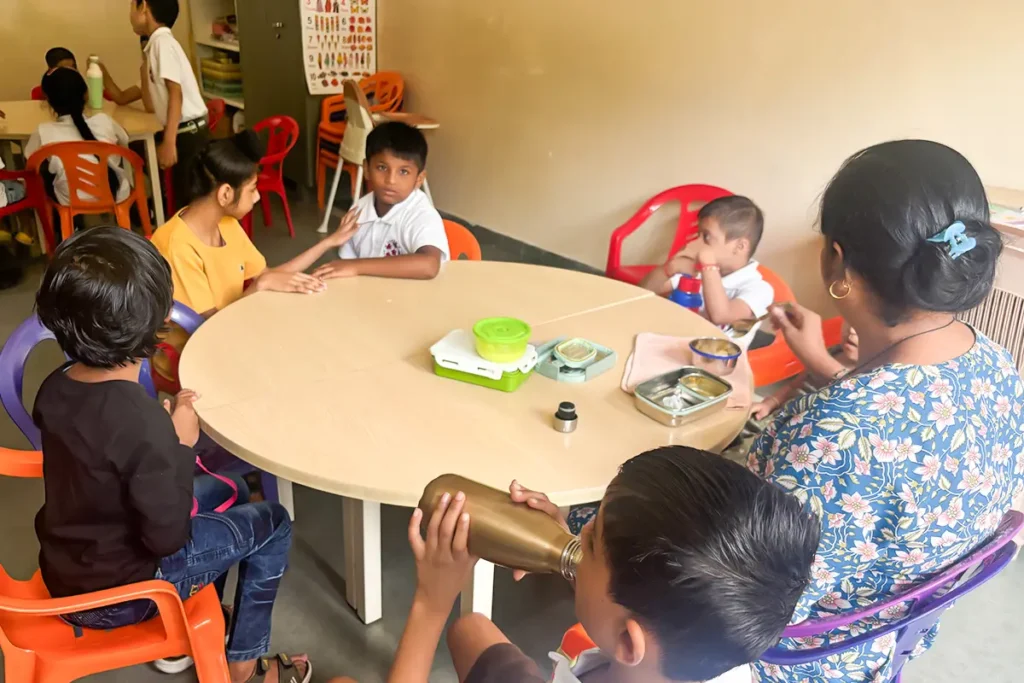
Caregiver burnout does not exist in isolation. Its effects ripple through the family system.
Siblings may:
- Feel overlooked
- Take on responsibilities beyond their age
- Suppress their own emotions
- Experience confusion or resentment
These reactions are not signs of dysfunction — they are signals that attention must be distributed thoughtfully.
Intentional conversations, dedicated time, and reassurance help siblings feel seen and secure.
The Impact on Marriages and Partnerships

Marriages and partnerships also shift under the weight of caregiving. When emotional bandwidth shrinks, communication often becomes functional rather than intimate.
Couples may:
- Speak mainly about logistics
- Avoid difficult conversations
- Experience emotional distance
- Feel misunderstood or alone in their role
Without intentional care, these dynamics can strain relationships over time.
Addressing these challenges early — through open dialogue or professional guidance — is not a sign of crisis. It is preventative care for the family’s foundation.
Removing the Guilt Around Seeking Help
Many caregivers hesitate to seek therapy because of guilt. They may think:
- “Others have it harder.”
- “I should be stronger.”
- “My child needs me more than I need rest.”
At Sorem, we gently remind families that emotional sustainability benefits everyone.
A caregiver who is supported emotionally is not indulgent — they are sustainable.
When caregivers:
- Rest without apology
- Express emotions safely
- Seek perspective
- Set healthy boundaries
families become more resilient, not less.
Caring for the Caregiver Is Caring for the Child
Children are deeply perceptive. They sense emotional tension, exhaustion, and stress. When caregivers are overwhelmed, children may mirror that stress or become more anxious.
Conversely, when caregivers are emotionally balanced:
- Patience increases
- Responses become calmer
- Decisions are clearer
- The home environment feels safer
Supporting the caregiver indirectly supports the child’s development.
A Perspective from Sorem Special Children School
At Sorem, we believe special education extends beyond the classroom. Supporting families means recognising that caregivers carry invisible emotional labour.
We encourage:
- Open conversations about burnout
- Normalising therapy for caregivers
- Viewing rest as responsibility
- Treating mental health as essential, not optional
Burnout does not mean failure.
It means the load has been heavy for too long.
Acknowledging that truth is often the first step toward healing.
A Gentle Closing Thought
If you are a caregiver feeling stretched beyond capacity, know this: seeking support is not a reflection of weakness. It is a reflection of awareness and courage.
You deserve care.
You deserve rest.
You deserve understanding.
And when caregivers are cared for, families grow stronger together.