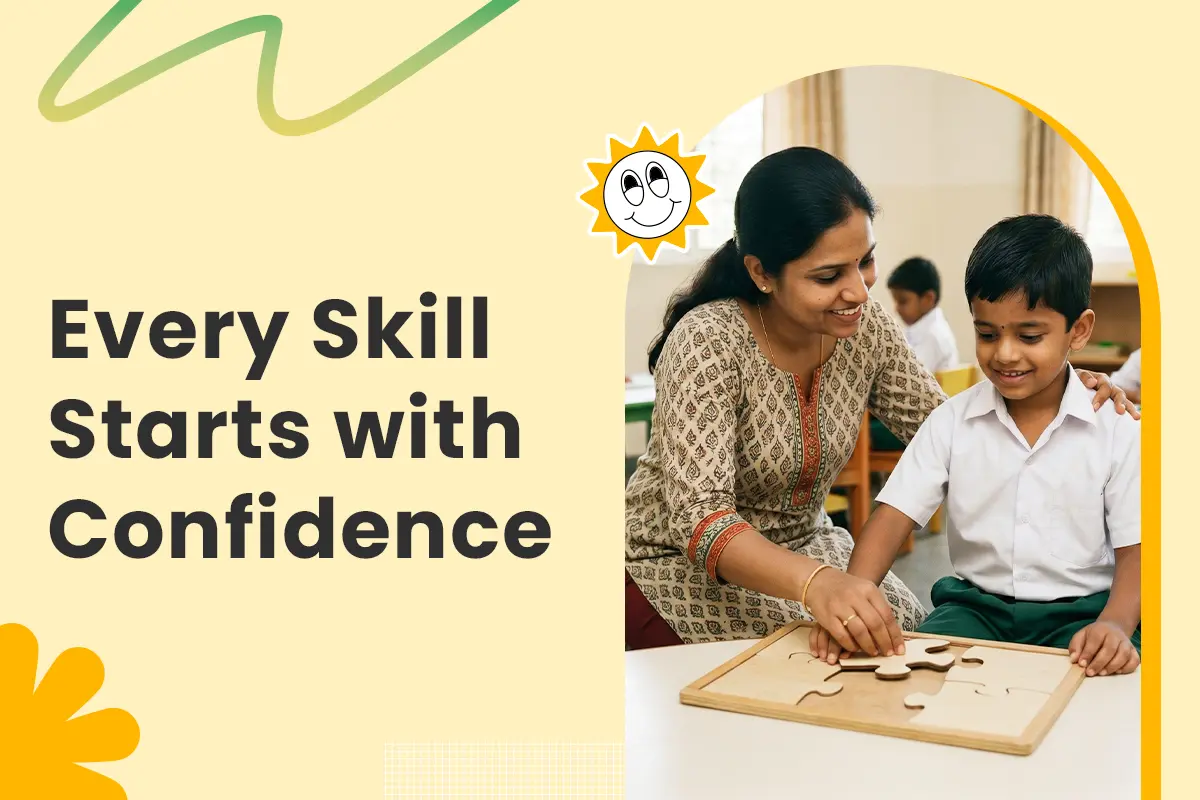
Every parent hopes to see their child become independent, capable, and skilled. But when it comes to children with special needs, the journey does not always begin with skills.
At Sorem Special Children School, one truth becomes clear through experience: confidence comes before competence.
Before a child learns to read, write, communicate, or complete tasks independently, they first need to believe—“I can try.”
This belief is where real learning begins.
Understanding the Difference Between Skills and Confidence
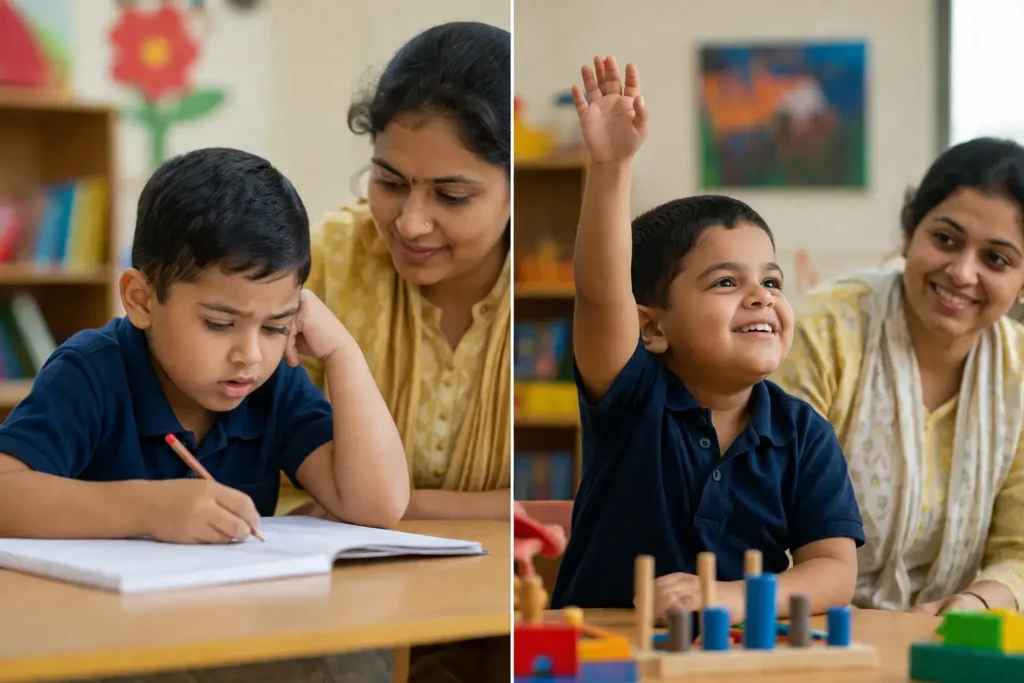
Skills are visible.
Confidence is not.
Skills can be measured through tests, tasks, or milestones. Confidence, however, shows up quietly—in a child raising their hand, attempting something new, or simply not giving up.
For many special children, traditional systems focus heavily on skill-building. But research and experience both show that learning is not effective when a child feels overwhelmed, anxious, or incapable.
Without confidence, even the simplest task can feel impossible.
Why Confidence Comes First
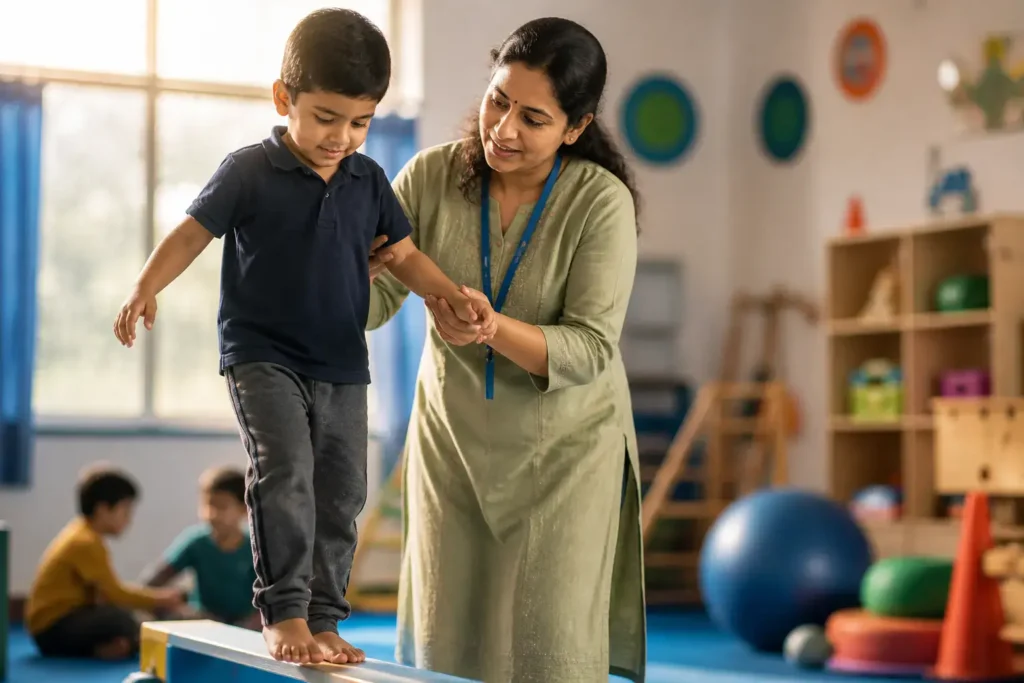
Imagine asking a child to solve a problem they already believe they cannot solve.
What happens?
They hesitate. They withdraw. They stop trying.
This is not a lack of ability—it is a lack of confidence.
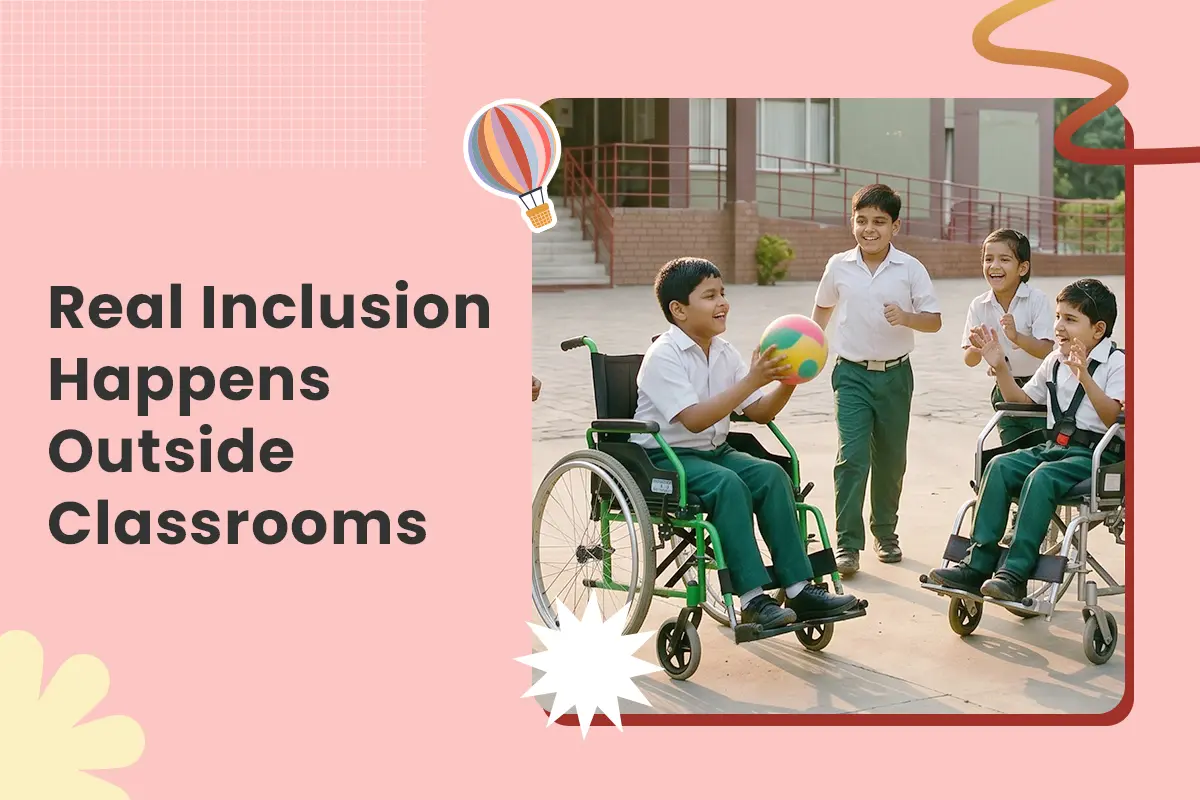
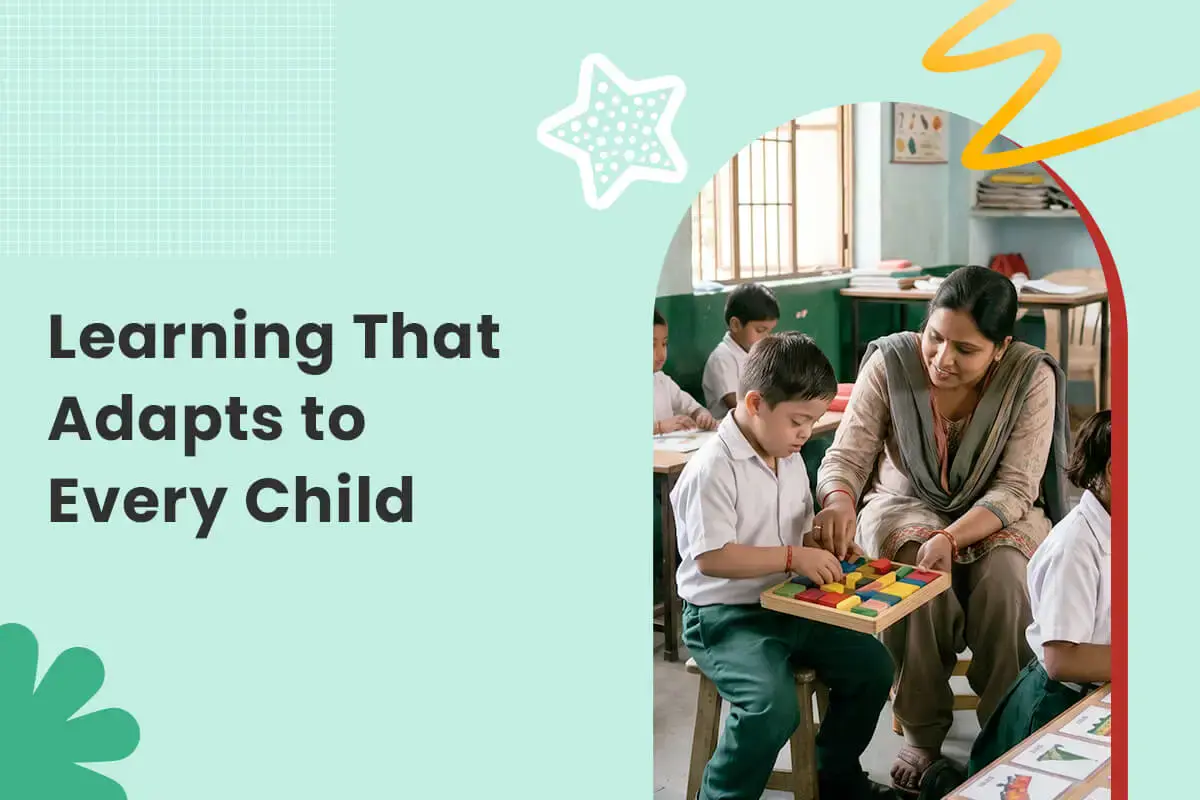
Children learn best when they feel safe, understood, and capable. When education adapts to their pace and strengths, they become more engaged and willing to participate.
Confidence creates:
- Willingness to try
- Ability to handle mistakes
- Motivation to continue learning
Without it, skill development slows down—or stops entirely.
The Hidden Struggle: When Skills Are Forced Before Confidence
Many children with special needs are expected to “catch up” quickly.
They are introduced to structured learning before they are emotionally ready. This can lead to:
- Fear of failure
- Avoidance of tasks
- Low self-esteem
A one-size-fits-all approach often overlooks how differently children learn and grow.
When children are pushed into skill-building without building confidence first, learning becomes stressful instead of meaningful.
How Confidence Naturally Builds Skills
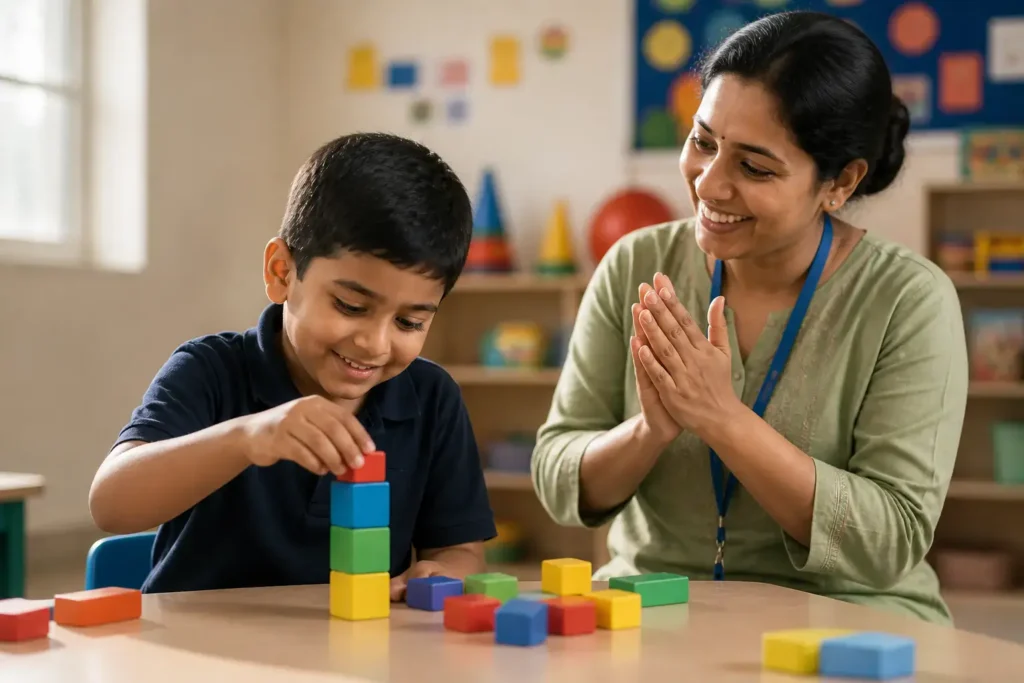
Confidence does not come from success alone—it comes from supported experiences of trying.
At Sorem, learning is designed in a way where children:
- Experience small wins
- Receive encouragement instead of correction
- Are allowed to progress at their own pace
When a child feels:
- “I did this”
- “I can try again”
- “It’s okay to make mistakes”
That is when skills begin to grow naturally.
Because a confident child is a learning child.
What Parents Can Do at Home
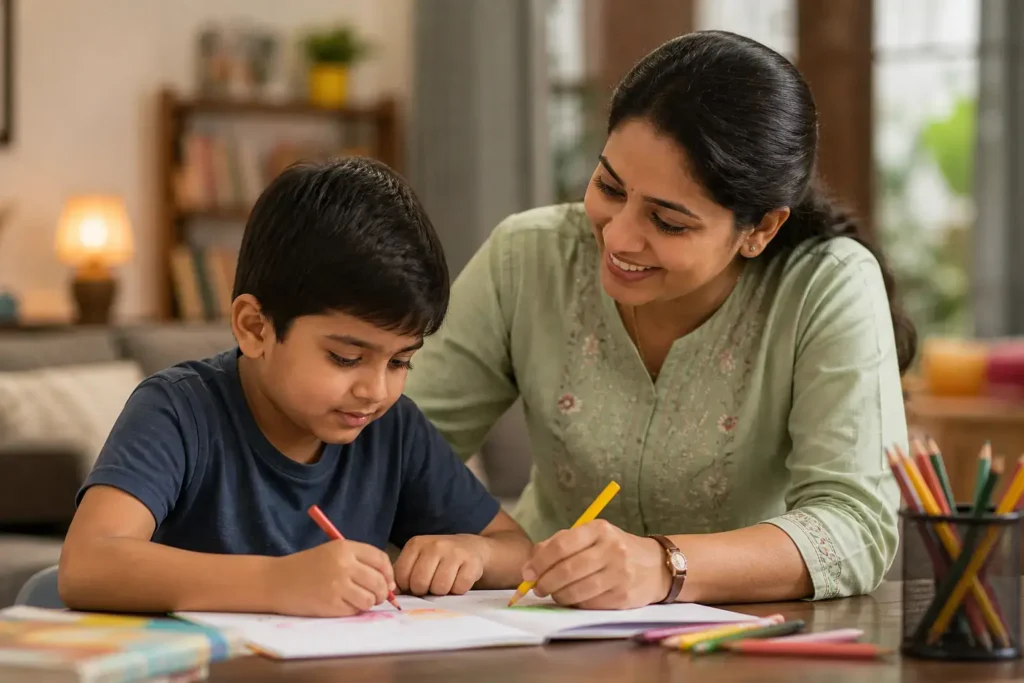
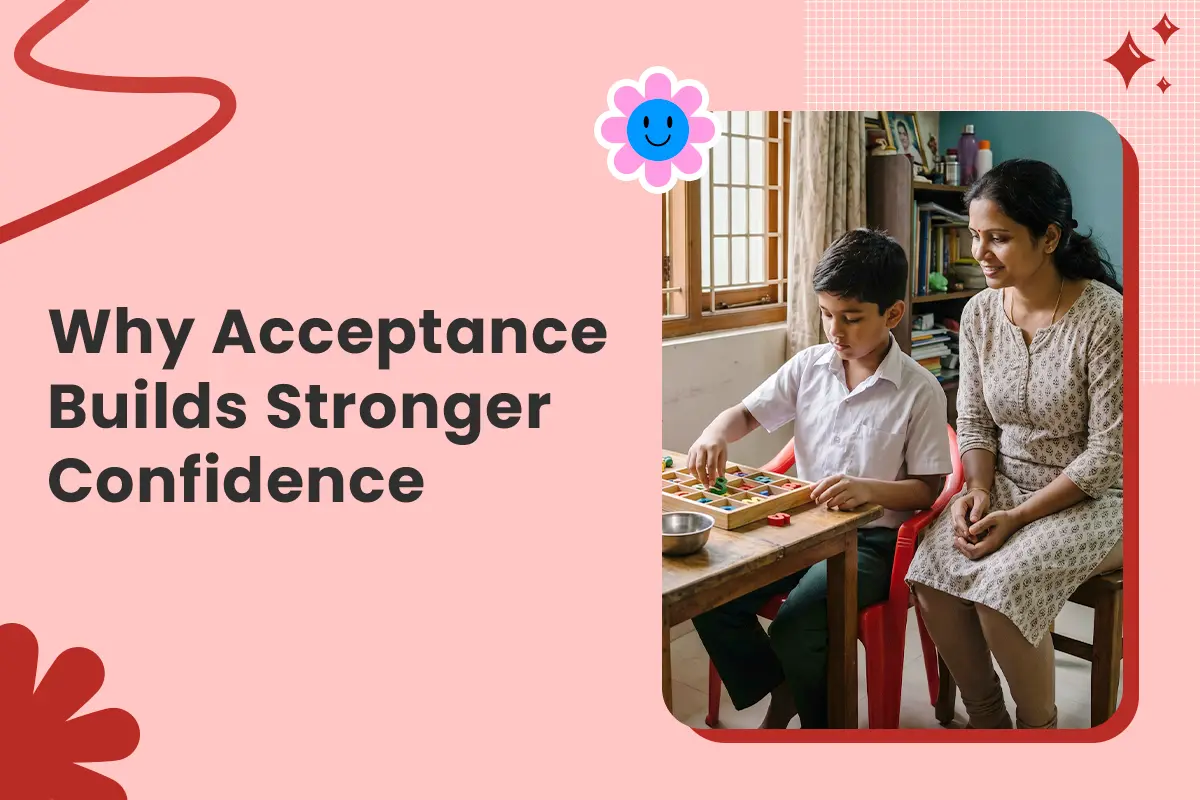
Confidence-building does not require complex strategies. It begins with small, intentional changes:
1. Celebrate effort, not just results
Focus on trying, not perfection.
2. Avoid constant comparison
Every child has their own timeline—and that is okay.
3. Break tasks into smaller steps
Small successes build big confidence.
4. Be patient with progress
Growth may be slow, but it is always meaningful.
5. Create a safe space for mistakes
Mistakes are not failures—they are learning moments.
The Sorem Approach: Building the Child Before the Skill
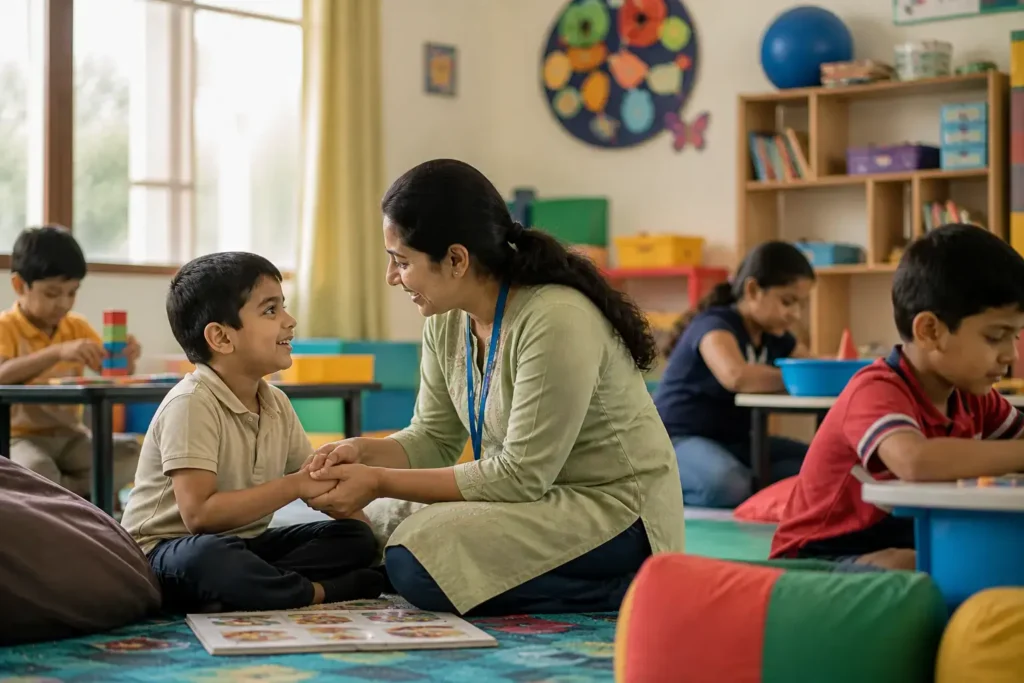
At Sorem Special Children School, education is not just about teaching skills—it is about nurturing the child behind those skills.
We focus on:
- Emotional readiness
- Individual learning styles
- Strength-based development
Because when a child believes in themselves, learning stops being a challenge and starts becoming a journey.
A Final Thought for Parents
If your child is not showing progress in skills, pause for a moment and ask:
“Does my child feel confident enough to try?”
Because sometimes, the first lesson is not writing, speaking, or solving—
it is simply believing.
And once a child believes, everything else begins to follow.