Parents are often the first to notice when their child’s development does not follow a typical pattern. Delayed speech, difficulty maintaining attention, or challenges in social interaction may appear gradually, raising concerns that are difficult to articulate at first. Over time, these observations often lead to unfamiliar terms such as Autism, ADHD, or Developmental Delay, frequently without adequate explanation.
At Sorem Special Children School, we believe that informed understanding is the foundation of effective support. This article aims to explain these terms in a clear, structured, and reassuring manner, helping parents make confident decisions grounded in knowledge rather than uncertainty.
Why These Conditions Are Often Misunderstood
In early childhood, developmental challenges frequently present with overlapping signs. Delays in speech, attention, or social engagement may be observed across different conditions, making it difficult for parents to differentiate between them without professional guidance.
It is important to understand that similar outward behaviours do not always indicate the same developmental condition. Each child’s neurological and developmental profile is unique, and careful observation over time is essential for accurate identification and appropriate intervention.
Understanding Developmental Delay
Developmental delay refers to a situation where a child reaches developmental milestones later than expected for their age. These delays may occur in one or more areas and are commonly identified during early childhood assessments.
Developmental delays may affect:
- Speech and language development
- Fine and gross motor skills
- Cognitive and learning abilities
- Social and emotional development
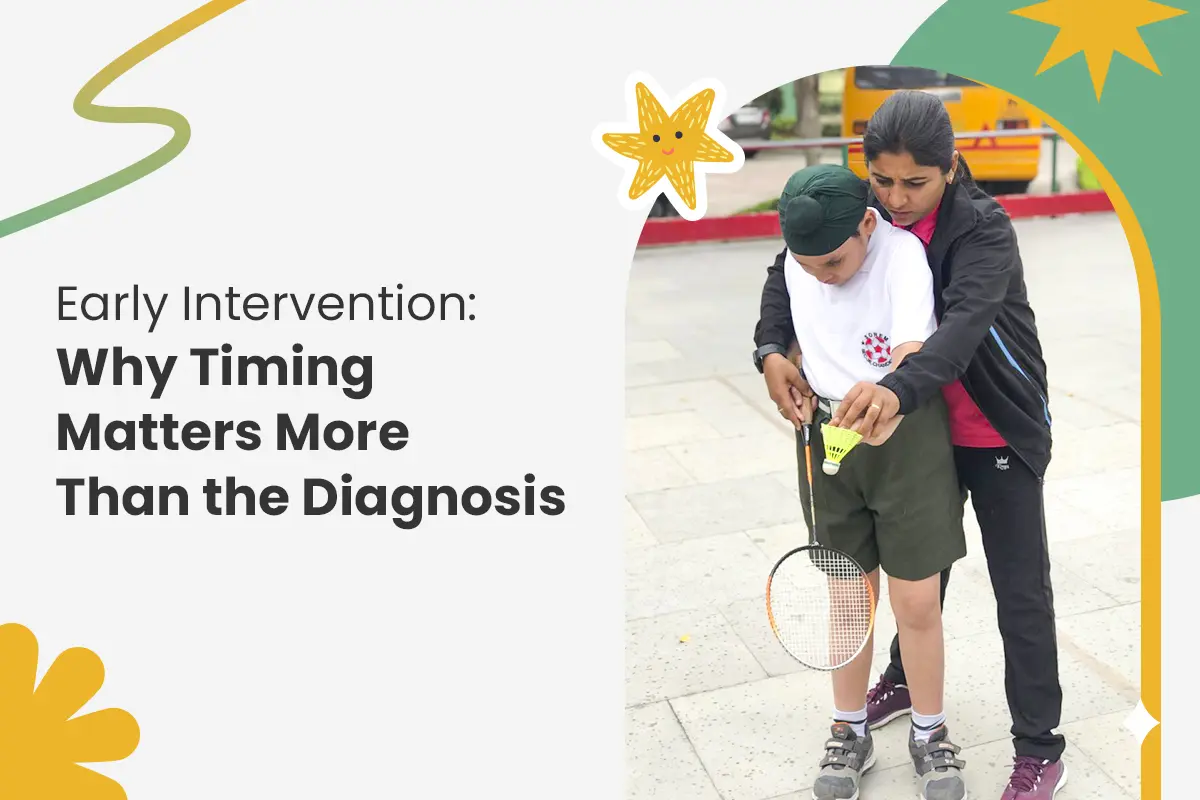
In many cases, developmental delay is temporary and responsive to early intervention. With structured support, consistent therapy, and guided learning, many children demonstrate measurable progress over time.
Understanding Autism Spectrum Disorder
Autism Spectrum Disorder (ASD) is a neurodevelopmental condition that affects communication, social interaction, and sensory processing. As a spectrum condition, autism presents differently in each child, with varying levels of support needs.
Children on the autism spectrum may demonstrate:
- Limited or inconsistent eye contact
- Delayed or atypical speech patterns
- Challenges in social understanding and interaction
- Preference for routine and predictability
- Sensory sensitivities to sound, touch, or visual stimuli
Autism is not caused by parenting practices and is not a medical illness. It reflects a different neurological framework through which a child perceives and interacts with the world.
Understanding Attention Deficit Hyperactivity Disorder (ADHD)
Attention Deficit Hyperactivity Disorder (ADHD) primarily affects attention regulation, impulse control, and activity levels.
Common characteristics may include:
- Persistent restlessness or excessive movement
- Difficulty maintaining attention on tasks
- Impulsive behaviour
- Emotional regulation challenges
Beyond Labels: What Truly Supports a Child’s Development
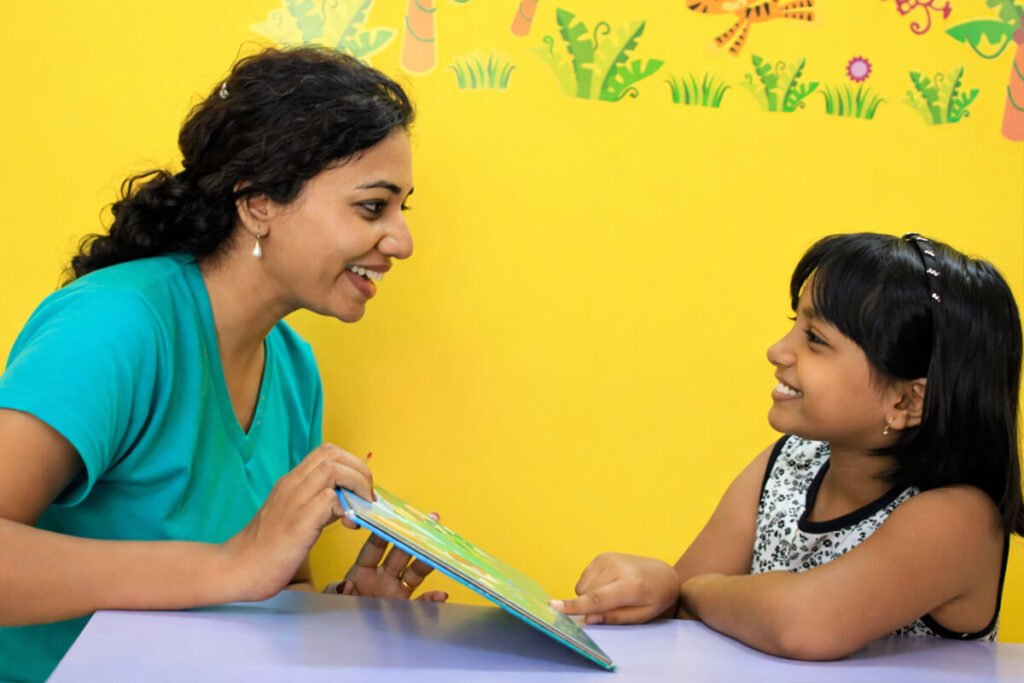
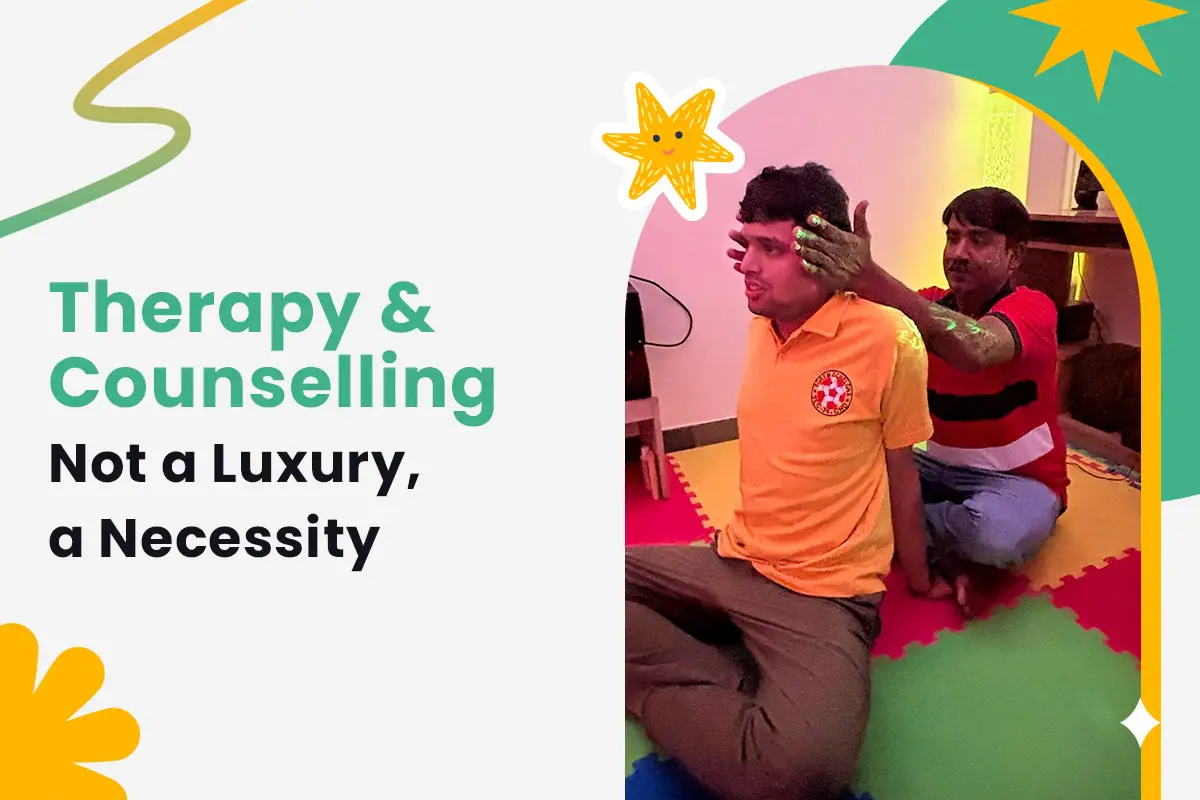
While diagnostic clarity is helpful for planning, progress depends primarily on early intervention, consistency, and a supportive learning environment. Therapeutic services such as speech therapy, occupational therapy, behavioural intervention, and structured education play a vital role in helping children reach their potential.
Meaningful progress may occur gradually and may not always be immediately visible, but sustained effort and structured support lead to long-term developmental gains.
A Reassuring Note for Parents

Every child develops at their own pace, and developmental differences do not define a child’s potential. Seeking understanding and support reflects responsible and informed parenting.
With appropriate guidance, individualized support, and collaborative involvement between parents and educators, children with autism, ADHD, or developmental delays can build meaningful skills and lead fulfilling lives.
At Sorem Special Children School, we remain committed to supporting children and families through informed care, structured learning, and compassionate guidance.