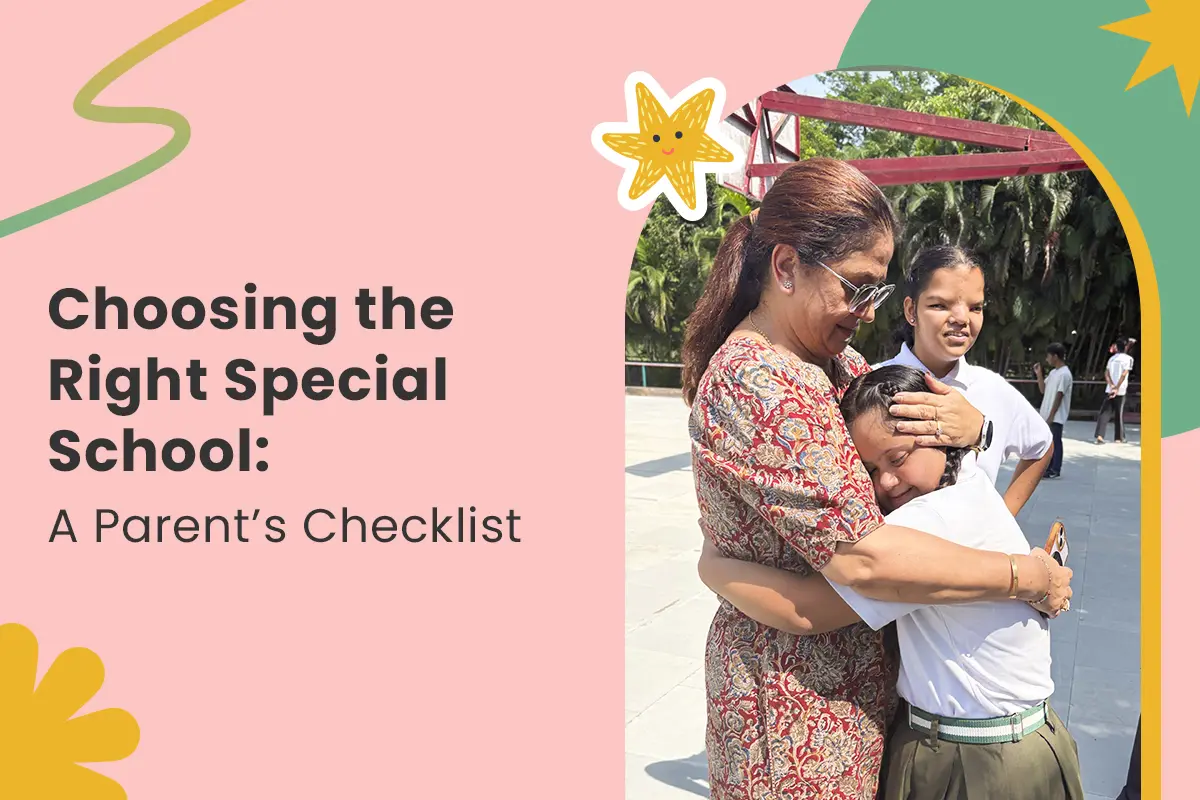
Choosing a special school for your child is not a simple decision—it is an emotional one. For many parents, this choice comes after months or even years of uncertainty, worry, and quiet self-questioning. Parents may wonder if they are making the right decision, if they are acting too soon, or if they should wait a little longer.
At Sorem Special Children School, we understand that selecting a school is not just about infrastructure or curriculum—it is about trust, comfort, and believing that your child will be understood. This checklist is meant to guide parents gently, without pressure, as they consider what truly matters when choosing a special school.
Begin with Your Child, Not the School
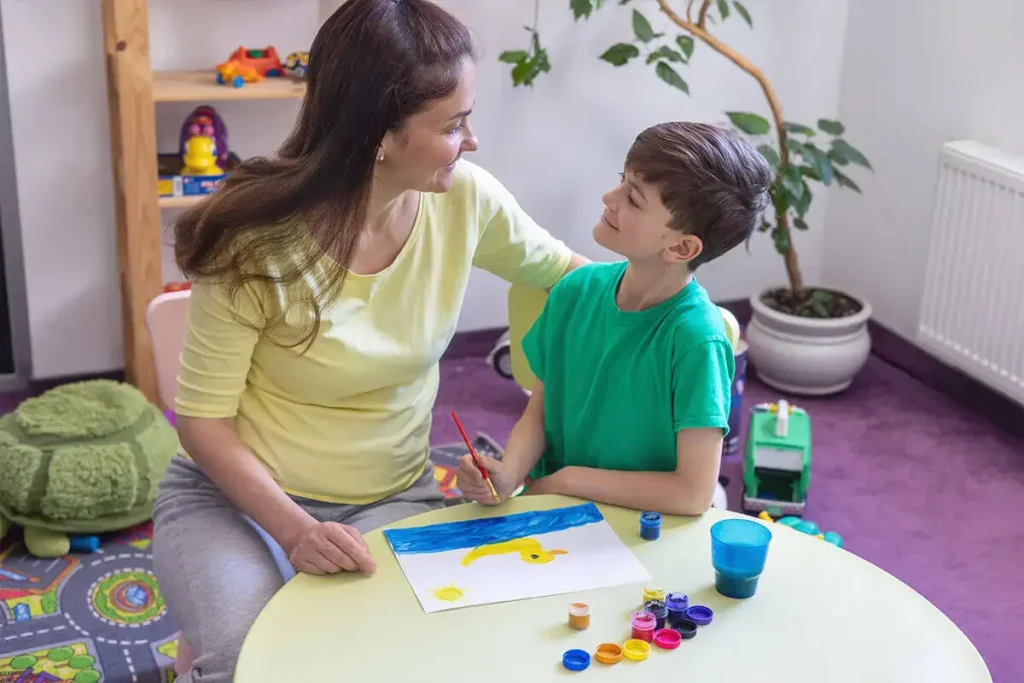
Before evaluating schools, it is important to reflect on your child’s individual needs. Every child is different, and there is no universal definition of the “right” school.
Consider:
- Your child’s communication abilities
- Emotional and behavioural needs
- Learning style and pace
- Sensory sensitivities
- Level of independence
The right school is one that adapts to your child—not the other way around.
Look for Emotional Safety First
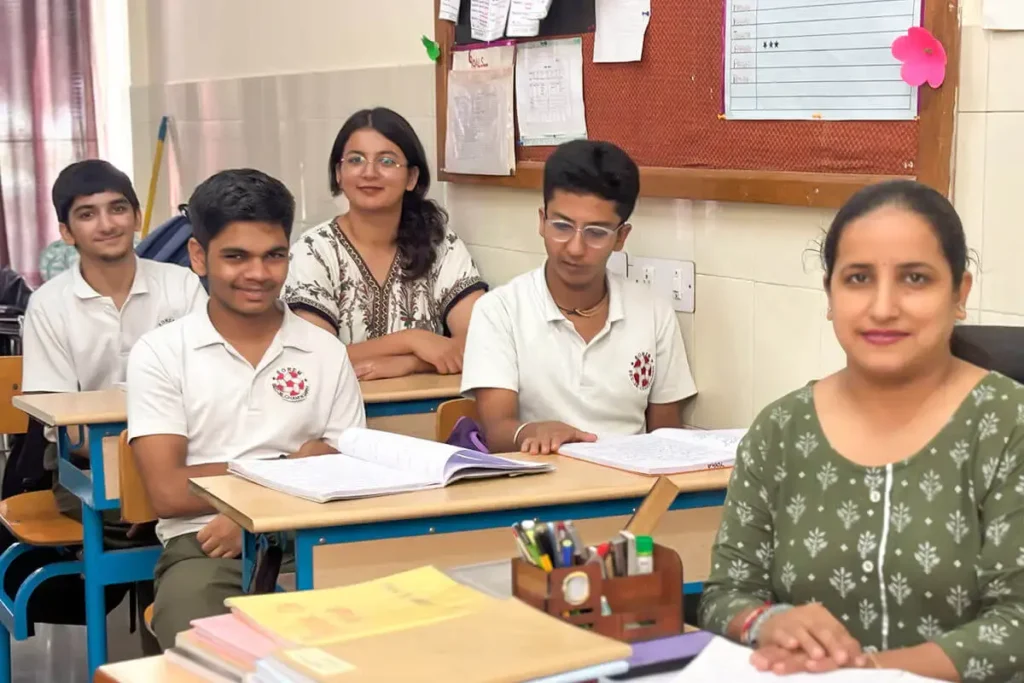
Academic learning cannot happen without emotional safety. A child who feels anxious, misunderstood, or overwhelmed will struggle to engage, regardless of teaching quality.
When visiting a school, observe:
- How children are spoken to
- Whether educators show patience and warmth
- How emotional challenges are handled
- Whether children appear comfortable and calm
Emotional safety is the foundation of all learning.
Understand the School’s Educational Philosophy

Every special school operates with a philosophy that shapes its approach to teaching and care. Understanding this philosophy helps parents align expectations.
Ask about:
- How learning goals are set
- Whether progress is individualised
- How success is defined
- The balance between academics and life skills
A school that values holistic development will focus on more than academic outcomes alone.
Assess the Expertise of Educators and Therapists
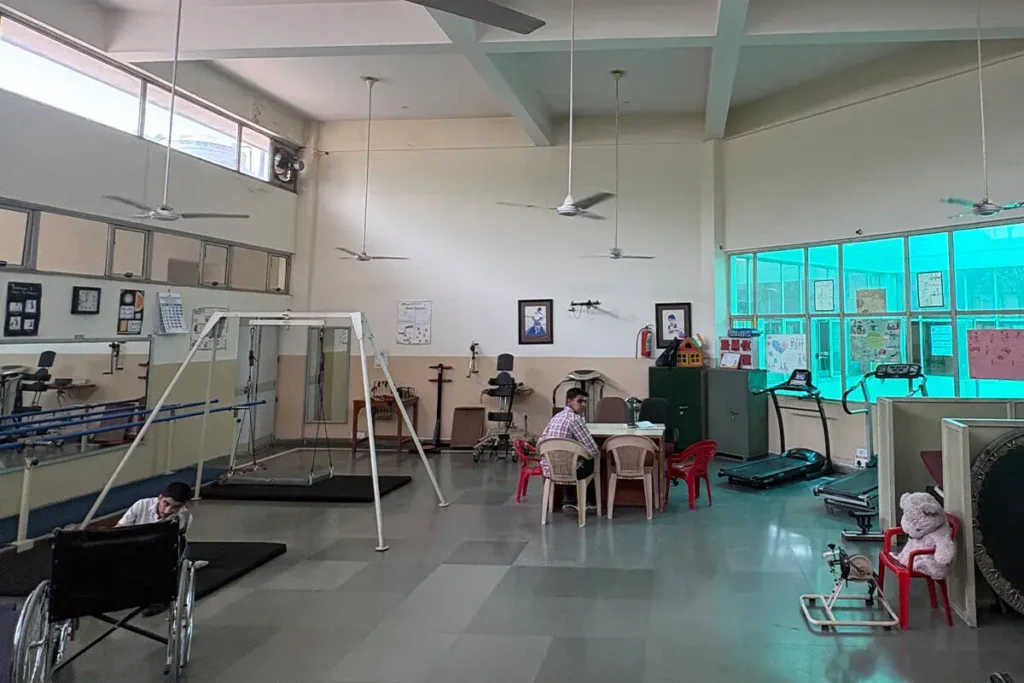
The quality of a special school lies largely in its people. Trained, compassionate educators and therapists make a significant difference.
Consider:
- Qualifications and experience of staff
- Ongoing training and development
- Collaboration between teachers and therapists
- Staff-to-child ratio
Children thrive when guided by professionals who understand both development and emotion.
Evaluate Individualised Support Systems
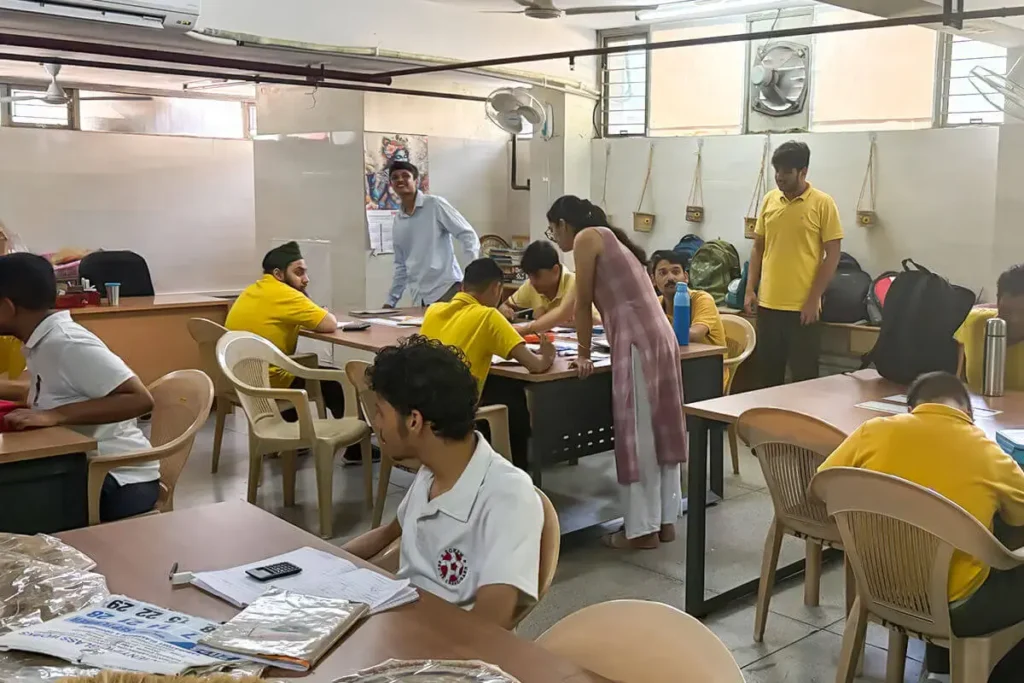
One-size-fits-all approaches do not work in special education. Individualised planning is essential.
Look for:
- Individual Education Plans (IEPs)
- Personalised therapy goals
- Regular progress reviews
- Flexibility in teaching methods
Individualisation ensures that learning remains meaningful and achievable.
Observe the Learning Environment
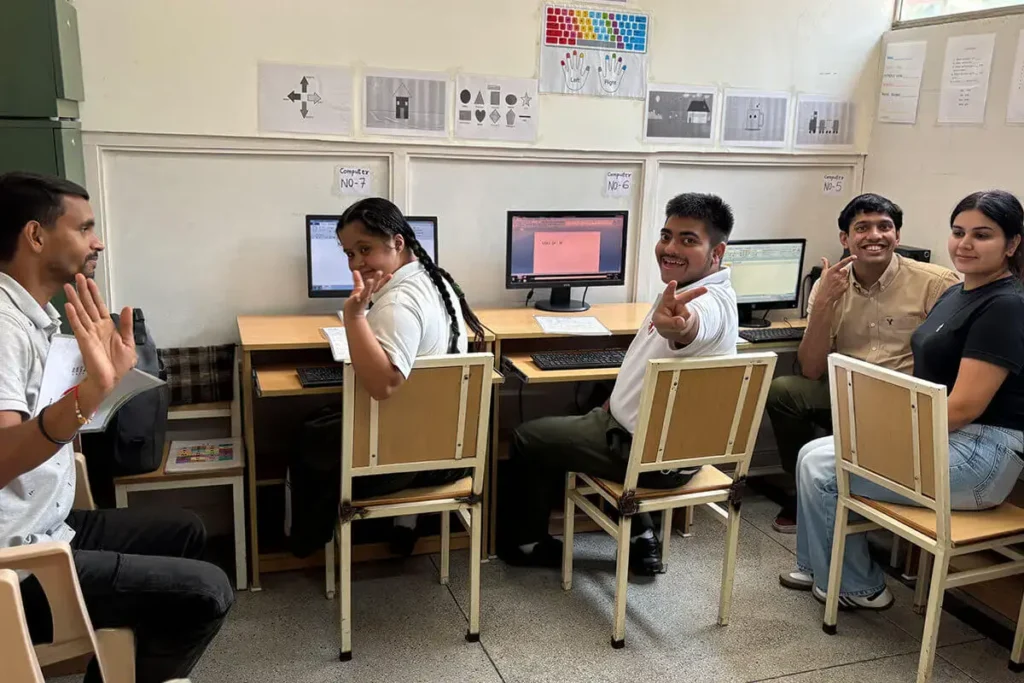
The physical and emotional environment of a school impacts how children feel and function.
Notice:
- Classroom structure and organisation
- Sensory-friendly spaces
- Cleanliness and safety
- Predictable routines
A calm, structured environment supports focus and reduces anxiety.
Ask About Parent–School Communication

A strong partnership between parents and school is critical. Transparent and consistent communication builds trust and ensures continuity of support.
Ask:
- How often progress is shared
- Whether parents are encouraged to ask questions
- How concerns are addressed
- How home strategies are aligned with school learning
Collaboration strengthens outcomes.
Understand the Focus on Life Skills and Independence
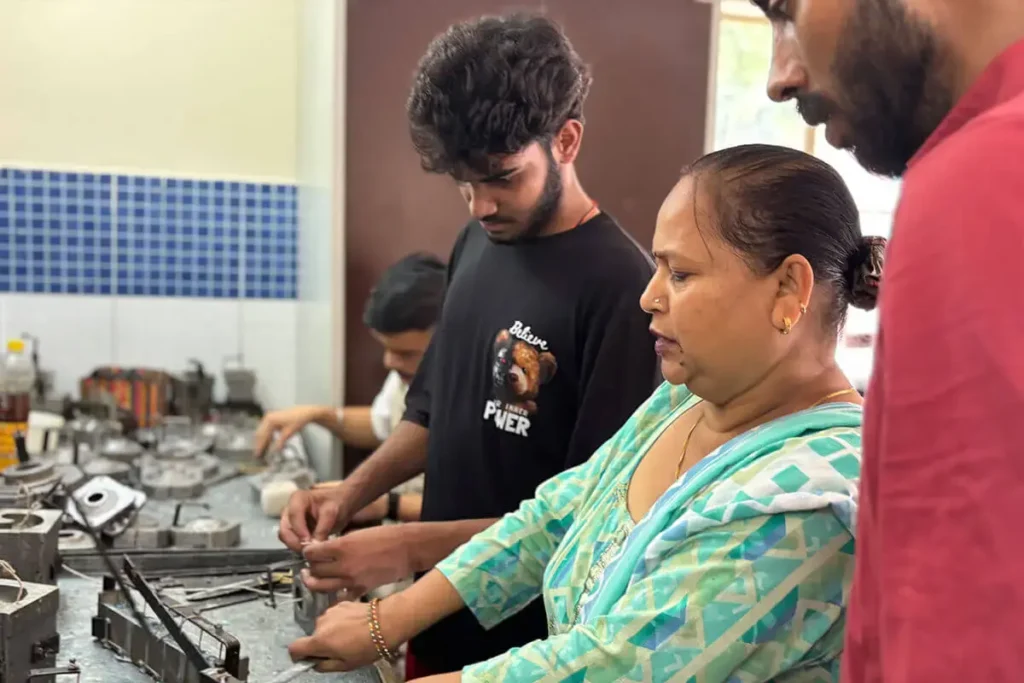
A good special school prepares children not just for classrooms, but for life beyond school.
Ask about:
- Life skills training
- Social skill development
- Emotional regulation support
- Independence-building strategies
These skills are essential for long-term confidence and participation in society.
Observe How Progress Is Measured

Progress in special education should be realistic and meaningful.
Find out:
- How progress is tracked
- Whether small milestones are valued
- How setbacks are handled
- How goals are adjusted over time
Progress should be viewed as a journey, not a race.
Trust Your Instincts as a Parent

While professional guidance is important, parental instincts matter deeply. Pay attention to how you feel during interactions with the school.
Ask yourself:
- Do I feel heard and respected?
- Does the school understand my child?
- Am I comfortable asking questions?
- Can I trust this environment with my child’s well-being?
Trust grows when understanding is mutual.
A Perspective from Sorem Special Children School
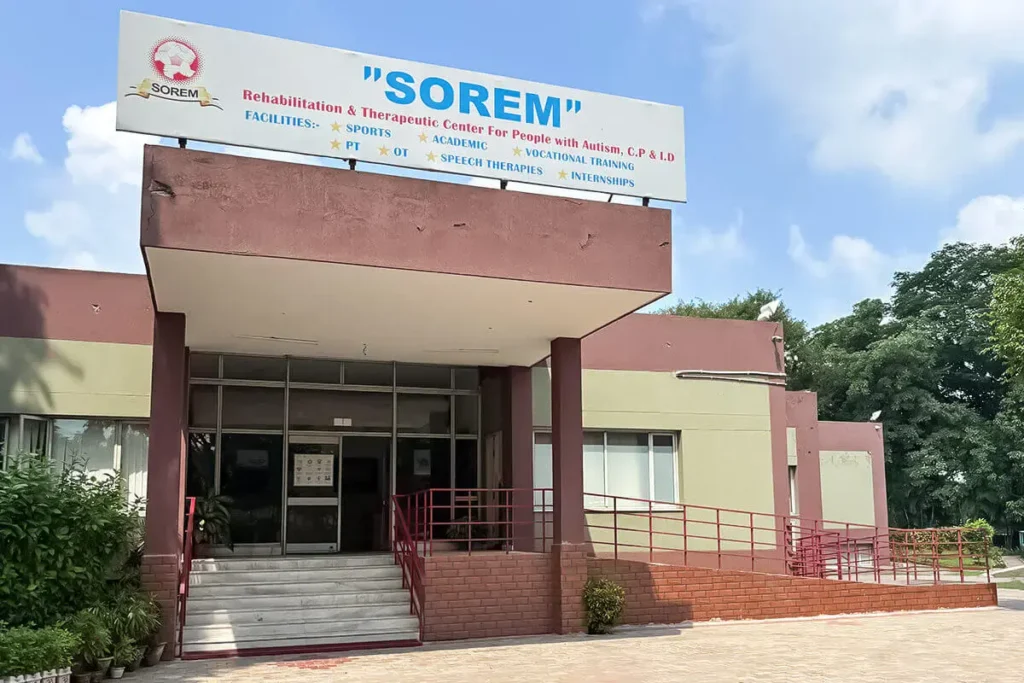
At Sorem, we believe that choosing a special school should never feel rushed or forced. Our role is to guide, support, and collaborate with families as they explore what is best for their child.
We focus on:
- Emotional safety
- Individual growth
- Honest communication
- Long-term development
Our commitment is to walk alongside families with empathy and respect.
A Gentle Message to Parents
If you are standing at the crossroads of this decision, know that there is no single “right” answer—only what feels right for your child at this time.
Choosing a special school is not a sign of limitation. It is a step toward understanding, support, and opportunity.
At Sorem Special Children School, we believe every child deserves an environment where they feel safe, valued, and capable of growth.