When a child has special needs, progress is never the result of one person’s effort alone. It is shaped by a network of support—parents, educators, therapists, and caregivers—working toward a shared goal. Among these relationships, the partnership between parents and special schools is one of the most influential.
At Sorem Special Children School, we have seen time and again that meaningful progress happens when parents and schools function not as separate entities, but as collaborative partners in a child’s development.
Why Collaboration Matters So Much
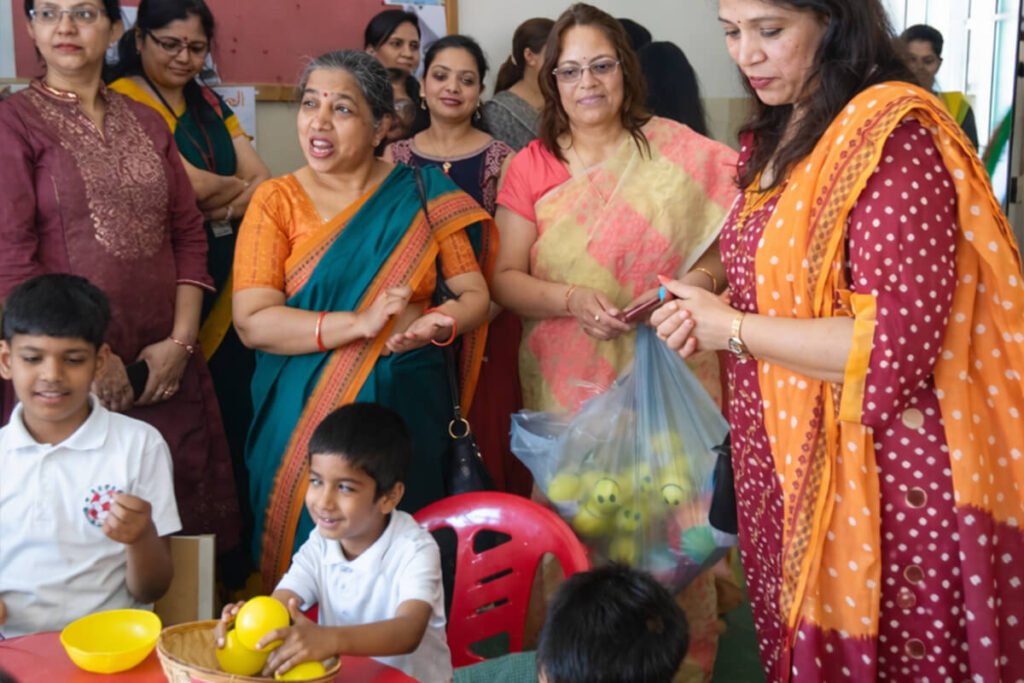
Children with special needs experience the world differently. They require consistency, understanding, and a structured environment to feel secure and supported. When expectations and approaches differ significantly between home and school, children may struggle to generalise skills or manage emotional transitions.
A strong parent–school partnership ensures:
- Consistency in routines and expectations
- Better understanding of the child’s needs
- Reinforcement of learning across environments
- Emotional security for the child
When adults work together, children feel safer—and safety is the foundation of learning.
Understanding Each Other’s Roles
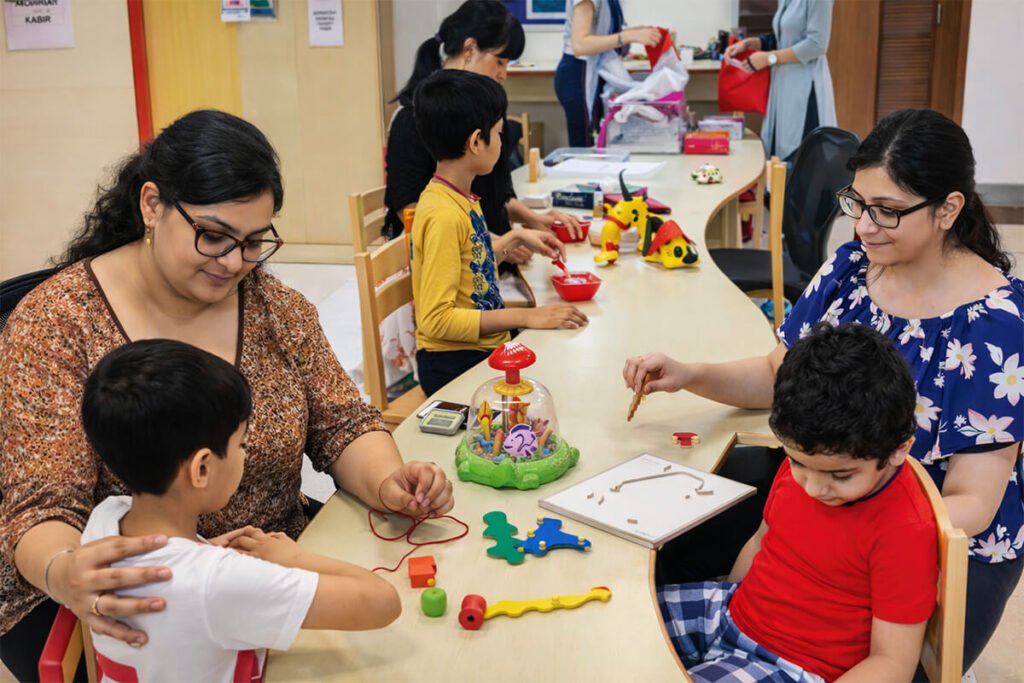
Effective collaboration begins with clarity. Parents and schools have different roles, but both are equally important.
The Role of Parents
Parents know their child best. They understand:
- The child’s emotional triggers
- Daily routines and habits
- Comfort strategies
- Family dynamics and values
Parents provide emotional grounding and continuity that no institution can replace.
The Role of Special Schools
Special schools offer:
- Professional assessment and observation
- Structured learning environments
- Trained educators and therapists
- Individualised education plans
Schools bring experience, methodology, and objective evaluation to guide development. When these roles complement rather than conflict, children benefit most.
The Importance of Open and Honest Communication
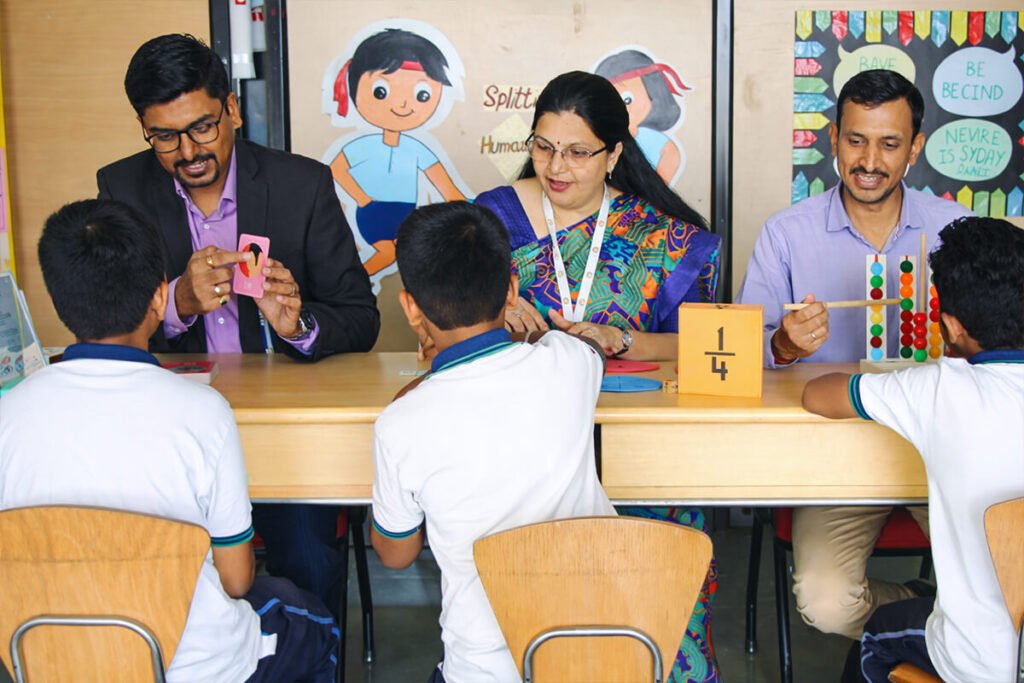
Open communication is the backbone of effective collaboration. Parents should feel comfortable sharing concerns, observations, and expectations, while schools should communicate progress clearly and realistically.
Healthy communication includes:
- Regular updates on progress
- Honest discussion about challenges
- Clear explanations of goals and strategies
- Space for parents’ questions and concerns
At Sorem, we encourage two-way communication because parents are not just observers—they are active participants.
Aligning Expectations for Realistic Progress
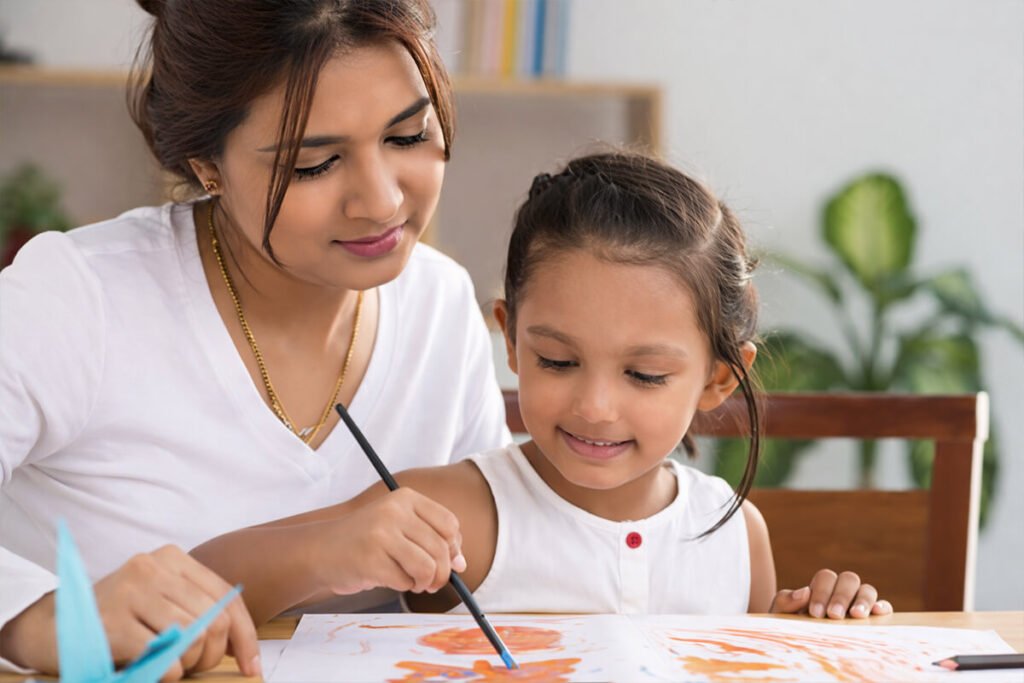
One of the most common challenges in collaboration arises from misaligned expectations. Parents naturally want quick, visible improvement, while professionals often observe gradual, non-linear progress.
Understanding that:
- Progress may be slow and uneven
- Setbacks are part of development
- Small milestones matter
helps build trust and patience. When expectations are realistic and shared, disappointment is reduced and confidence grows.
Consistency Between Home and School
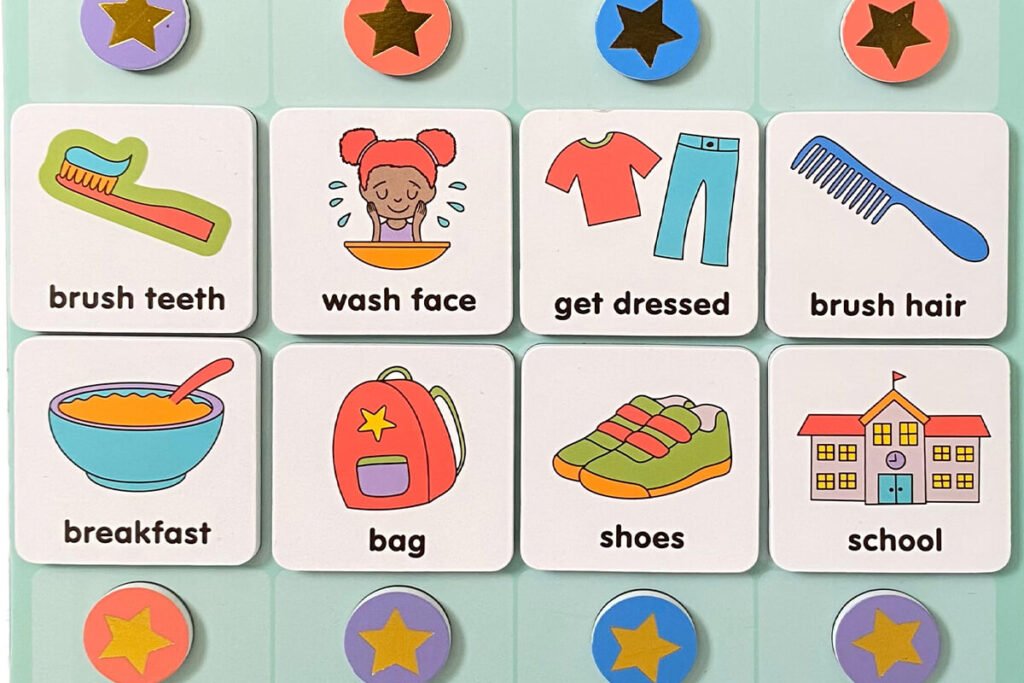
Children with special needs thrive on consistency. Skills learned at school must be reinforced at home to become meaningful and lasting.
Consistency may include:
- Similar routines and schedules
- Reinforcement of communication strategies
- Use of shared behaviour supports
- Encouragement of independence in daily tasks
When home and school environments support the same goals, children are better able to generalise skills and feel secure.
Respecting Professional Guidance While Valuing Parental Insight
Successful collaboration is built on mutual respect. Schools rely on professional knowledge and experience, while parents provide invaluable insight into their child’s personality and daily life.
At Sorem, we believe:
- Parents’ observations are essential
- Professional recommendations are grounded in experience
- Decisions work best when made together
This balance fosters trust and strengthens the support system around the child.
Supporting Emotional Well-Being of Families
Parenting a child with special needs can be emotionally demanding. Schools play an important role in offering reassurance, guidance, and emotional support to families.
A collaborative relationship helps:
- Reduce parental anxiety
- Build confidence in the child’s support system
- Encourage shared problem-solving
- Create a sense of community
When parents feel supported, they are better able to support their child.
Handling Challenges as a Team
Difficult moments are inevitable. Behavioural challenges, slow progress, or emotional setbacks may occur. These moments test the strength of collaboration.
When parents and schools:
- Address challenges calmly
- Focus on solutions rather than blame
- Adjust strategies together
children experience stability and continued growth.
A Perspective from Sorem Special Children School
At Sorem, we do not view education as a service delivered to families. We see it as a shared journey. Our role is to guide, support, and collaborate with parents as they navigate their child’s development.
We believe that:
- Progress is strongest when responsibility is shared
- Trust is built through transparency
- Outcomes improve through consistency and compassion
Children thrive when the adults around them are united.
A Message to Parents
If you are a parent working with a special school, know that your involvement matters deeply. Your insights, patience, and commitment shape your child’s journey in powerful ways.
Collaboration does not require perfection—it requires openness, trust, and a shared commitment to the child’s well-being.
When parents and schools work together, children receive more than education—they receive understanding, stability, and the opportunity to reach their full potential.