The conversation about mental health in special education almost always centres on the child. This is appropriate. It is also incomplete. Parents of children with special needs carry a load that most people around them do not fully see, and they carry it for years, often without acknowledgment and often without a break.
Burnout is not a personal failing. It is what happens to people who sustain very high levels of effort, vigilance, and emotional labour over a long period without adequate support. Most of these parents are not burning out because they are weak. They are burning out because the demands are genuinely high and the support around them is genuinely inadequate.
What parental burnout actually looks like
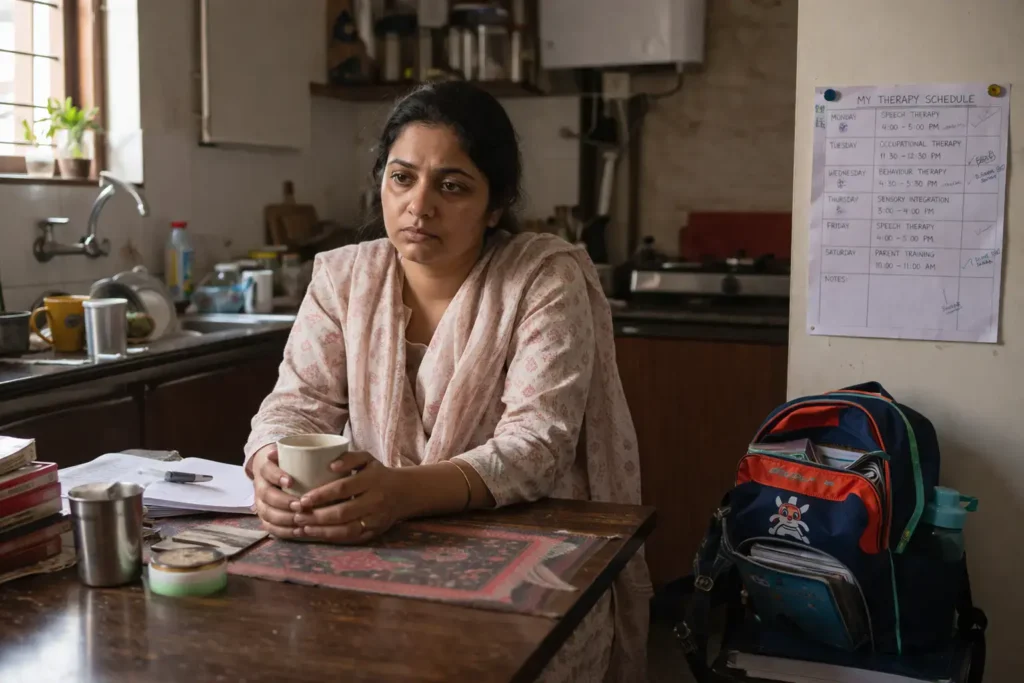
It does not always look like collapse. It often looks like going through the motions. Parents describe a kind of flatness — still doing everything that needs to be done, but feeling disconnected from it. Things that used to bring some relief stop doing that. They become irritable more quickly and take longer to recover. They feel guilty about the irritability, which adds to the load.
Sleep deprivation is a factor for many families. So is the sheer cognitive weight of coordinating therapies, school communication, and medical appointments on top of everything else daily care involves. This is not the same as being a devoted parent. It is a different scale of task entirely.
Why “take care of yourself” is not enough of an answer
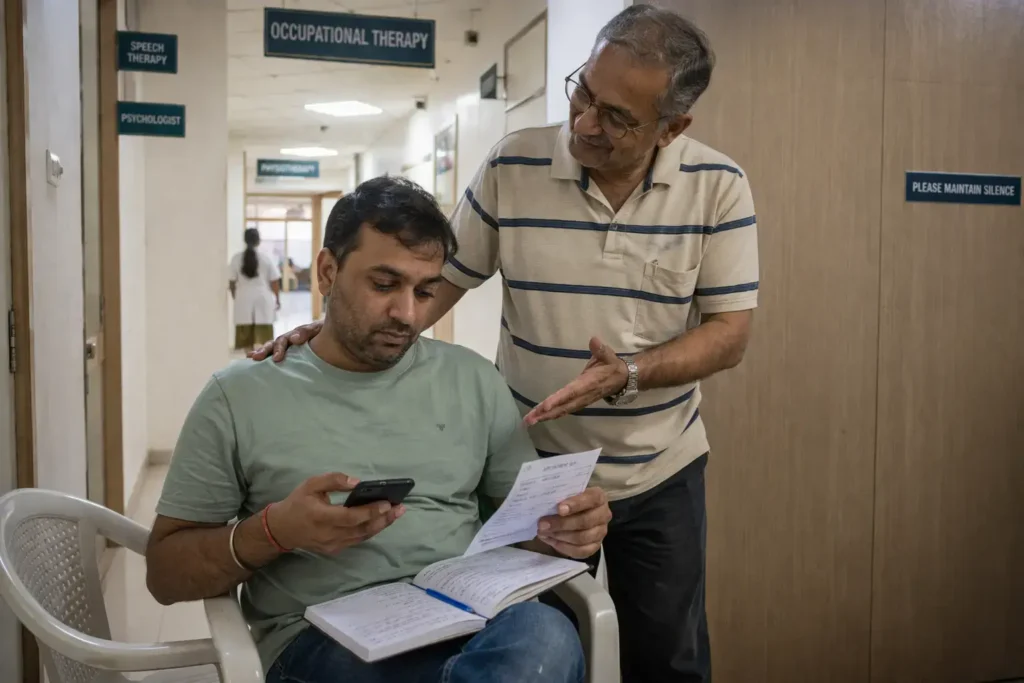
Advice to practise self-care lands badly when what a parent actually needs is structural support, not a bath. It hands the responsibility for managing an already full situation back to the person who is carrying it.
There is a difference between vague self-care advice and concrete maintenance. One puts the responsibility back on the person already carrying everything. The other gives them something they can actually do.
That said, there are things within a parent’s control that genuinely help. They are worth being specific about, because vague self-care advice and concrete maintenance are not the same thing.
What actually helps, specifically
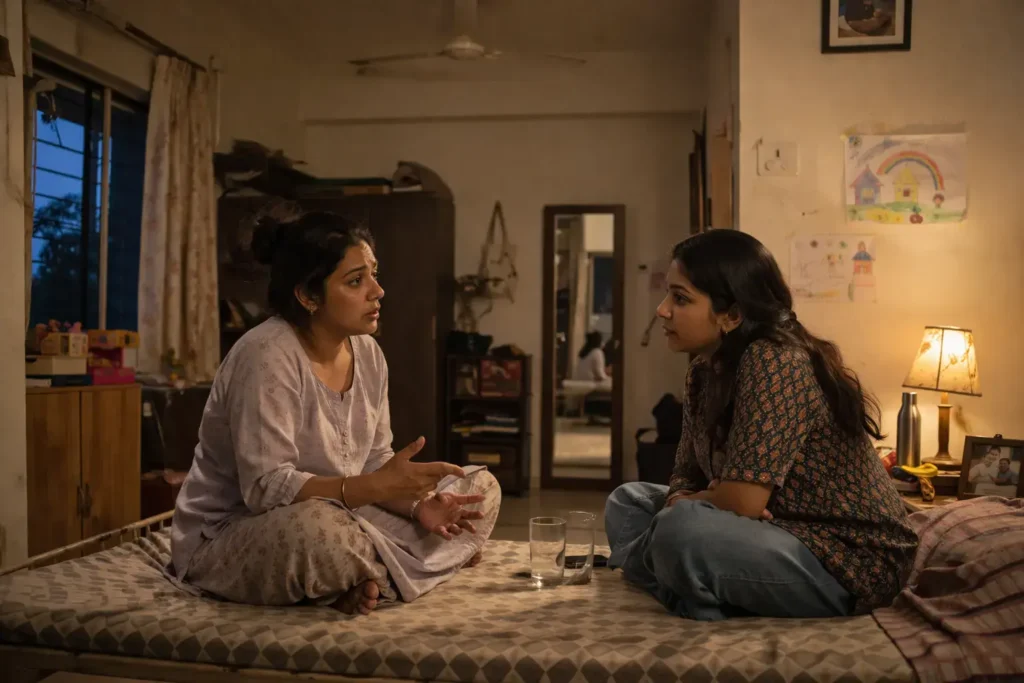
Sleep is more important than almost anything else. Parents who are chronically sleep-deprived make worse decisions, are more emotionally reactive, and run out of patience faster. If your child’s sleep difficulties are affecting yours, treat it as a clinical issue worth addressing, not just a fact of life to absorb.
Having someone to talk to who is not trying to fix anything helps. A friend who listens without immediately offering advice, a group of other parents who understand the situation from the inside, or a therapist who works with caregivers. The point is not to solve the problem. It is to say what is actually happening to someone who is not in your household.
Keeping something that has nothing to do with caregiving also matters. A hobby, a physical activity, friendships that predate the diagnosis. These are not indulgences. They are the parts of your identity that exist outside the role of parent, and letting them go entirely makes the role harder to sustain over the long run.
On guilt
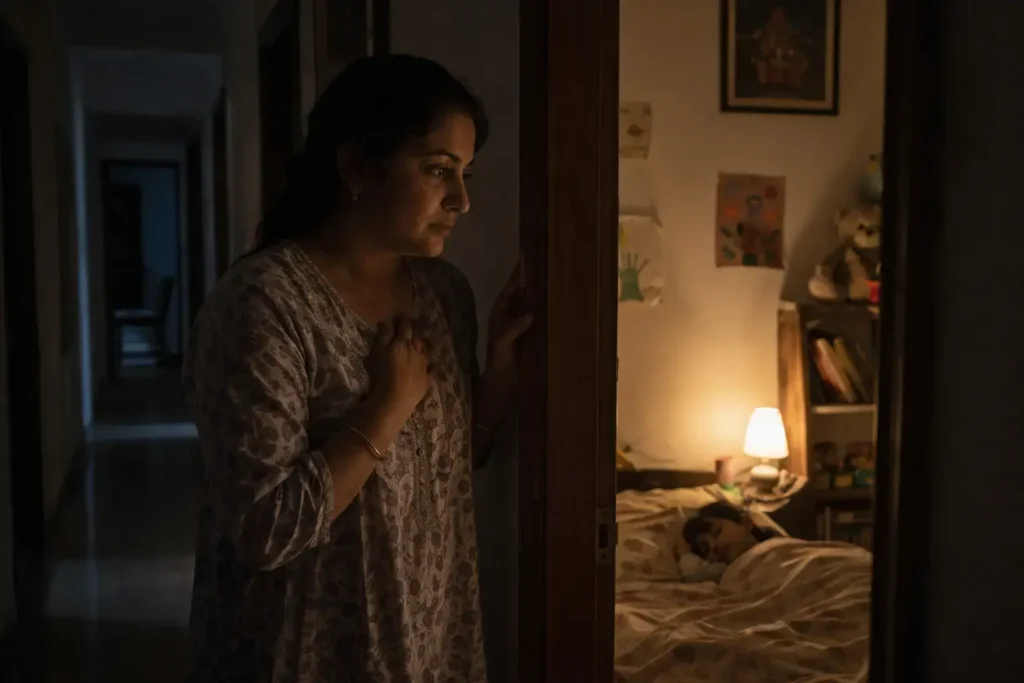
Most parents of children with special needs carry a significant amount of guilt. About the diagnosis, about whether they did something wrong, about resenting the situation sometimes, about not being patient enough, about needing a break from something they know their child cannot take a break from.
The guilt is understandable. It is also mostly not useful. It consumes energy that could go elsewhere, and it tends to make parenting worse rather than better — a parent managing their own guilt at the same time as managing their child is operating with a split focus.
Seeing guilt for what it is, a feeling rather than a verdict, and learning to set it down is a real skill. It takes practice, and it often goes faster with professional help.
Asking for help is not a failure

In many families, and in many parts of Indian culture particularly, asking for help reads as not coping. The expectation is that parents manage, and that needing outside support means something is wrong with how they are managing.
This costs families. Parents who do not ask for help stay stuck in situations that are unsustainable for longer than they need to. Their children feel the effects of this too, because a depleted parent simply has less to give, however hard they are trying.
Asking for help means knowing what you need and telling someone who can do something about it. That is not weakness. That is just how problems get smaller.
A parent who is doing okay is a better resource for their child than a parent who is running on empty but managing to hide it. That is not sentimentality. It is just true.