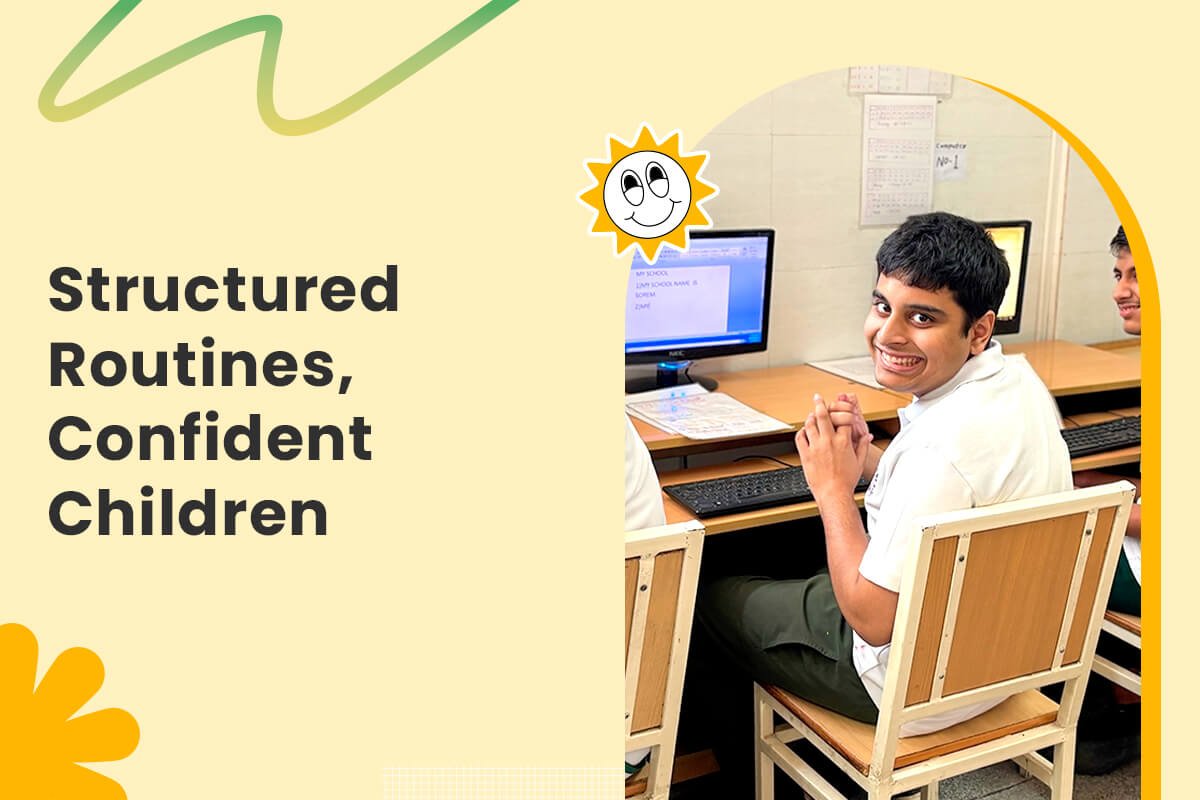
For many parents of children with special needs, daily life can feel unpredictable. Small changes in schedule, environment, or expectations may lead to confusion, anxiety, or behavioural challenges for their child. In such situations, one of the most effective and evidence-based approaches used in special education is the use of structured routines.
At Sorem Special Children School, structured routines form a core part of how we support children’s learning, behaviour, and emotional well-being. This article explains why routines matter, how they help, and what parents should understand about using them effectively.
Why Structure Is Important for Children with Special Needs

Children with developmental delays, autism, ADHD, or other special needs often experience difficulty processing information, transitions, and expectations. Unlike typically developing children, they may not naturally adapt to changes or unspoken rules in their environment.
A structured routine provides:
- Predictability
- Clarity
- Emotional safety
When children know what is coming next, they feel more secure. This sense of security reduces anxiety and allows them to focus on learning and interaction rather than uncertainty.
What Do We Mean by “Structured Routines”?
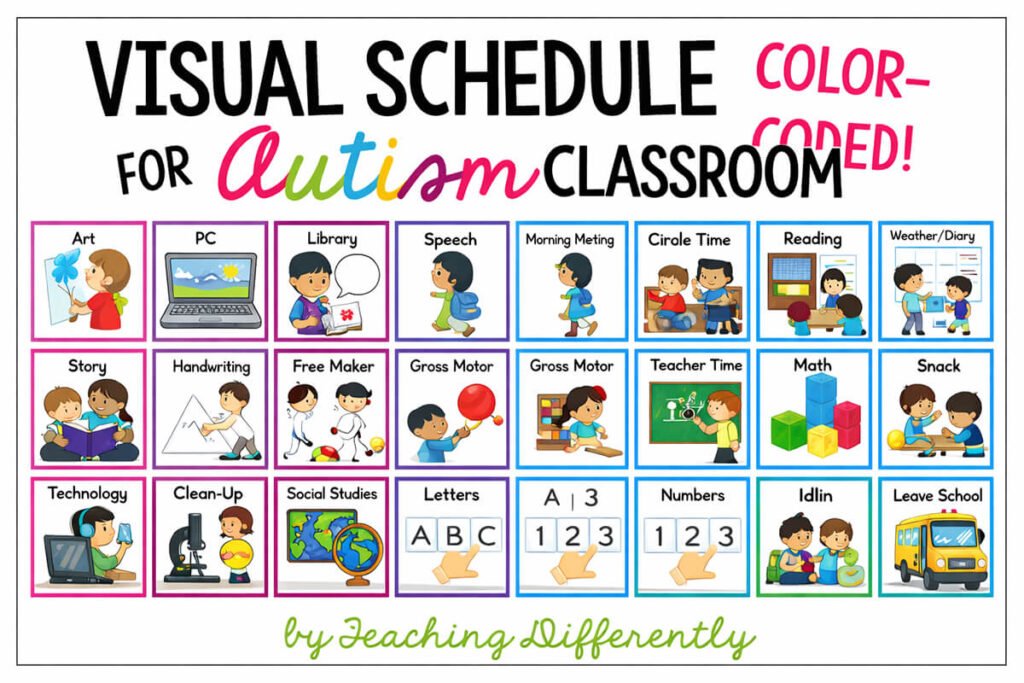
A structured routine is not about strict control or rigidity. Instead, it is a consistent and predictable flow of daily activities, presented in a way that the child can understand.
A well-structured routine typically includes:
- Fixed timings for daily activities
- Clear transitions between tasks
- Visual or verbal cues
- Consistent expectations
The goal is to help the child understand how their day is organised and what is expected of them at each stage.
How Routines Support Emotional Regulation
Many children with special needs struggle with emotional regulation. Sudden changes or unclear expectations can trigger frustration, anxiety, or behavioural outbursts.
Structured routines help by:
- Reducing surprises and uncertainty
- Creating a sense of control
- Allowing children to mentally prepare for transitions
When routines are consistent, children feel safer and more confident, which leads to improved emotional stability over time.
Routines and Behaviour Management
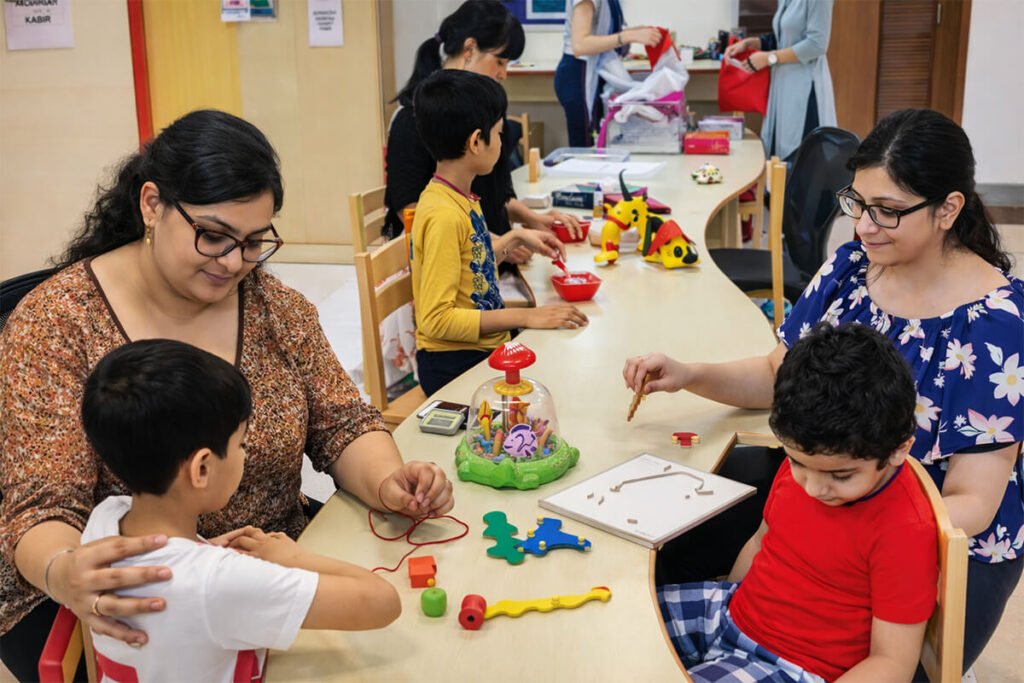
Behaviour is often a form of communication. When a child does not understand what is happening or what is expected, behavioural challenges may increase.
A structured routine helps children by:
- Clearly defining expectations
- Minimising confusion
- Reinforcing positive behaviour through repetition
Over time, children begin to associate certain behaviours with specific activities, which reduces resistance and increases cooperation.
Supporting Learning Through Routine
Children with special needs often learn best through repetition and consistency. Structured routines create natural opportunities for repeated learning without pressure.
Examples include:
- Learning self-care skills during the same time each day
- Practicing communication during structured classroom activities
- Reinforcing attention skills through predictable learning sessions
This repetition strengthens understanding and builds independence gradually.
The Role of Visual and Sensory Supports
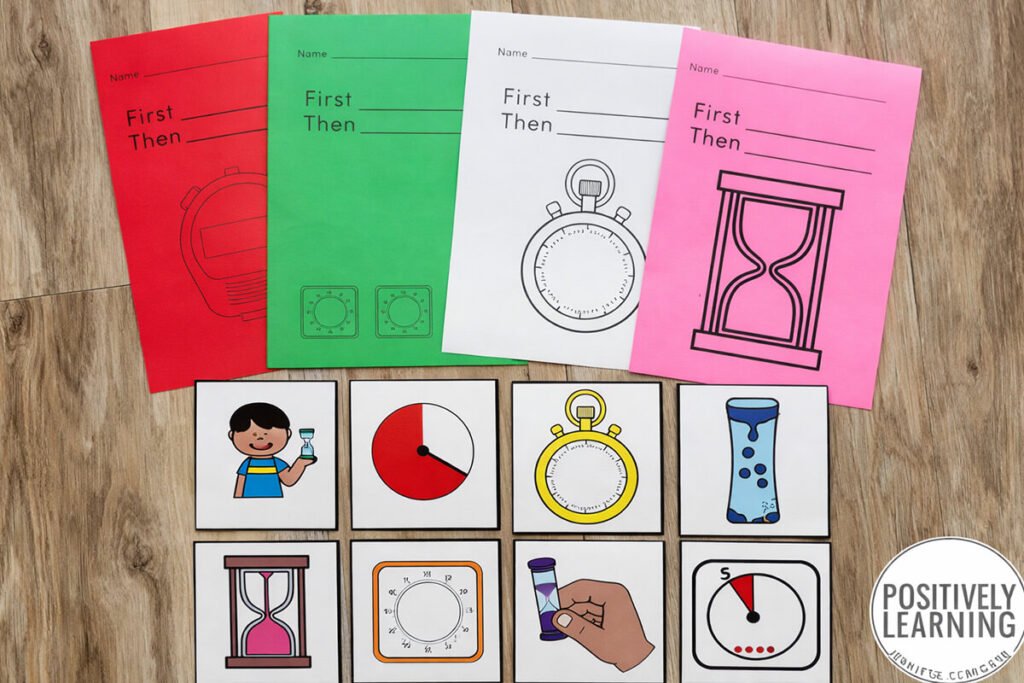
Many children respond better to visual information than verbal instructions alone. Structured routines often use tools such as:
- Visual schedules
- Picture cards
- Timers
- Colour-coded activity charts
These supports help children process information more easily and reduce reliance on constant verbal prompts.
How Structured Routines Help Different Needs
While every child is unique, structured routines benefit various conditions in different ways:
- For children with autism: routines reduce anxiety, support transitions, and encourage engagement
- For children with ADHD: routines help manage attention and impulsivity
- For children with developmental delays: routines support skill development and consistency
The structure is always adapted to the child’s individual needs rather than applied uniformly.
Structure Does Not Mean Lack of Flexibility

One common concern parents have is that routines may make children inflexible. In reality, a strong structure actually allows flexibility to be introduced safely.
When children feel secure within a routine:
- Small changes can be introduced gradually
- Coping skills can be taught within a predictable framework
- Children learn how to handle change in a supported way
Structure provides the foundation upon which flexibility is built.
How Parents Can Support Routines at Home

Consistency between school and home is extremely important. Parents can support structured routines by:
- Maintaining consistent wake-up and sleep times
- Using simple daily schedules at home
- Giving advance warnings before transitions
- Reinforcing routines calmly and patiently
Even small steps toward consistency can have a significant positive impact.
A Professional Perspective on Progress
Progress through structured routines is often gradual. Improvements may appear subtle at first — better cooperation, fewer emotional outbursts, or improved focus. Over time, these small changes build into meaningful developmental gains.
At Sorem Special Children School, routines are not used as rigid systems but as supportive frameworks that help children feel safe, capable, and confident in their daily experiences.
A Reassuring Note for Parents

If your child struggles with change or unpredictability, it does not mean they are unwilling to learn or grow. Often, it simply means they need clear structure and consistency to thrive.
With the right routines, guidance, and patience, children with special needs can develop independence, emotional stability, and learning readiness — one predictable step at a time.