For many parents, the thought of enrolling their child in a special school is not an easy one. It often comes after months—or even years—of worry, questions, and quiet emotional struggle. Parents may notice that their child is finding it difficult to cope in a regular school environment or is not meeting expected milestones, yet the decision to explore a special school can feel overwhelming.
At Sorem Special Children School, we meet parents at this exact point in their journey. One of the most important things we share is this: choosing a special school is not about giving up on your child—it is about choosing the support your child needs to thrive.
This blog answers some of the most common questions parents ask when they begin to consider a special school for their child.
What Does “Being Ready” for a Special School Really Mean?
Parents often ask whether their child is “ready” for a special school, but readiness is not defined by age, diagnosis, or labels. Instead, it is about whether a child’s current learning and emotional needs are being met in their existing environment.
A child may be ready for a special school if:
- Learning feels consistently overwhelming
- Emotional or behavioural challenges interfere with daily functioning
- Individual attention is required to support progress
- Traditional classroom structures are no longer effective
Readiness is not a judgment of ability—it is a reflection of what kind of environment best supports the child at this stage.
Does Choosing a Special School Mean My Child Has Failed?
This is one of the most emotionally difficult questions parents carry.
The answer is no.
Children do not fail schools—schools sometimes fail to meet children’s needs. Every child learns differently, and some children require specialised approaches, structured routines, and therapeutic support to flourish.
At Sorem, we view special education as a positive and proactive choice, not a last resort.
How Do I Know If a Regular School Is No Longer Suitable?
Some signs that a child may need a more specialised environment include:
- Persistent academic stress despite effort
- Frequent emotional distress or behavioural challenges
- Difficulty coping with group learning
- Reduced confidence or self-esteem
- Feedback from teachers indicating concern
These signs are not indicators of limitation. They are signals that a different approach may be more supportive.
What Happens in a Special School That Is Different?
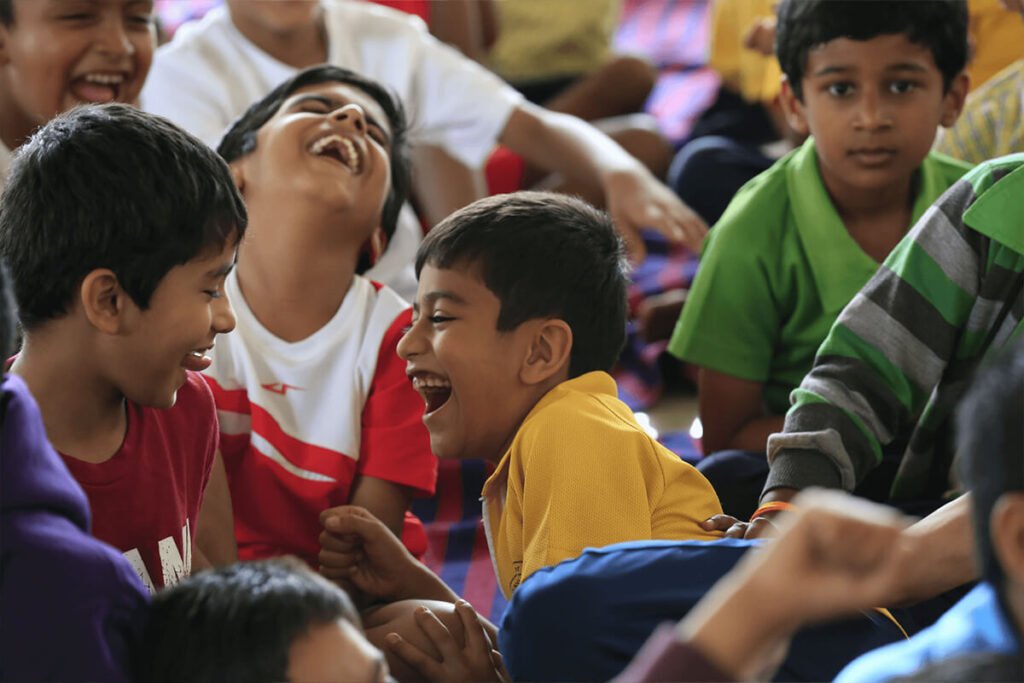
A special school offers a structured, individualised approach designed around the child rather than a fixed curriculum.
Key differences include:
- Smaller class sizes
- Individualised education plans
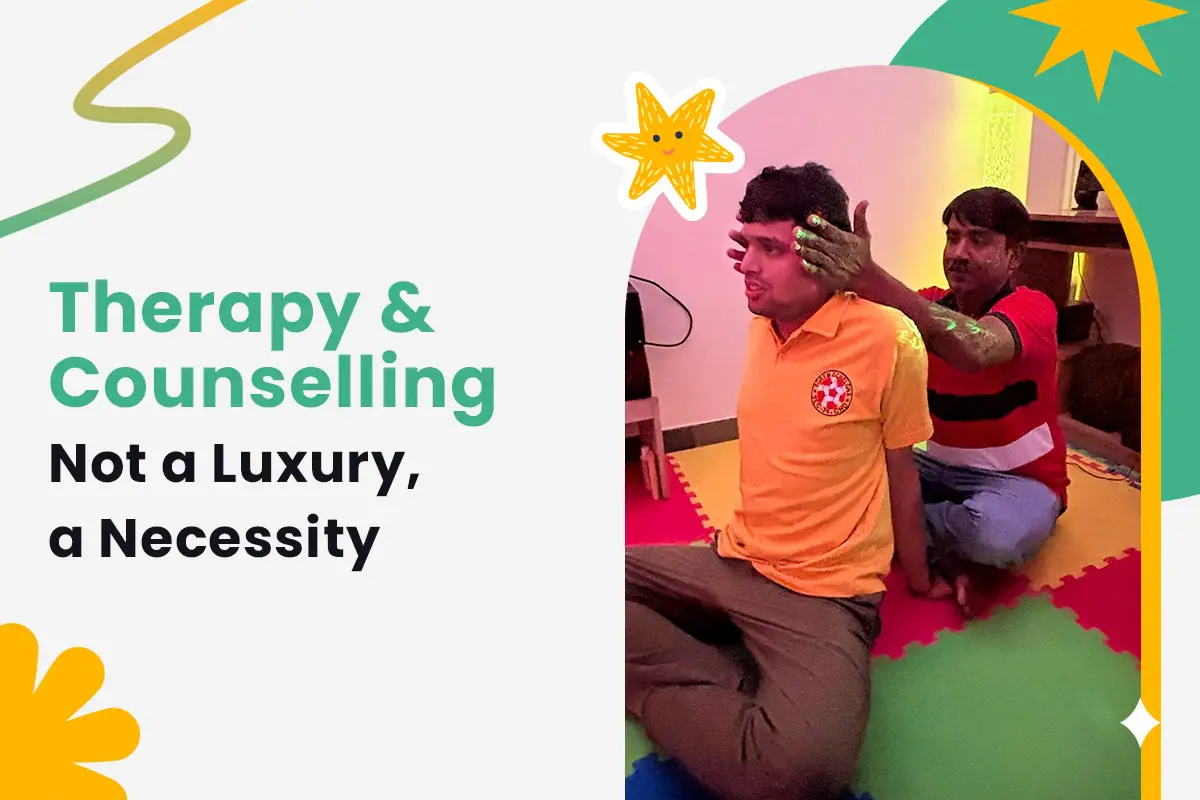
- Integrated therapies
- Trained special educators
- Emotional and sensory support
At Sorem, learning is paced according to the child’s comfort and ability, ensuring that education builds confidence rather than anxiety.
Will My Child Be Labelled or Stigmatized?
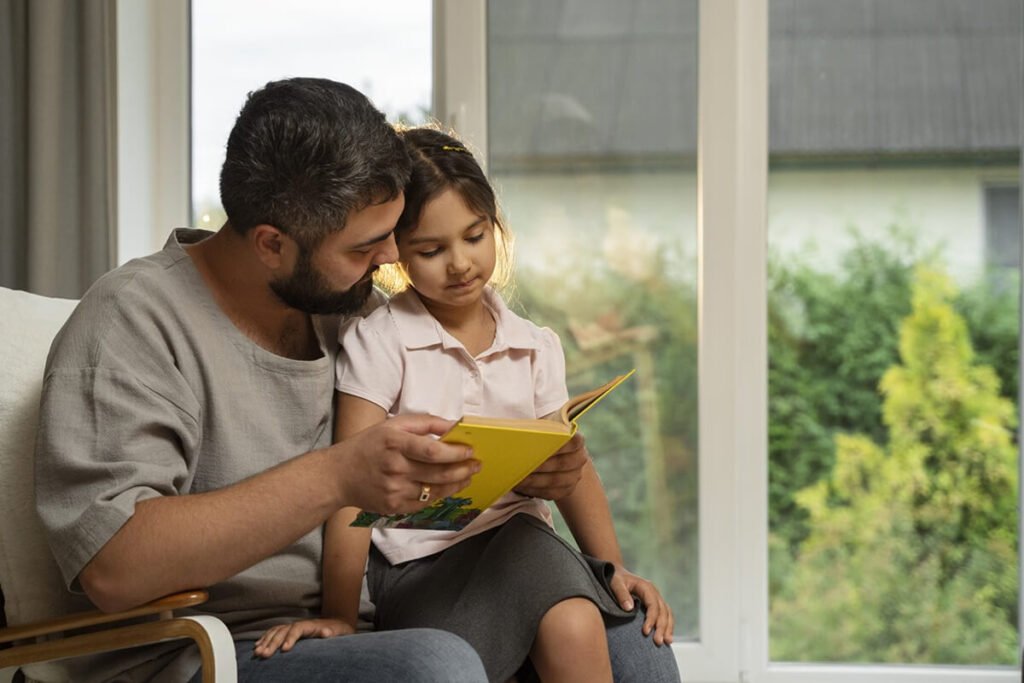
This is a common fear—and an understandable one.
In a special school environment, children are not defined by labels. They are supported based on their strengths, needs, and potential. When children are surrounded by peers who learn differently, they often experience relief rather than stigma.
They are no longer the “odd one out”—they belong.
Will My Child Fall Behind Academically?
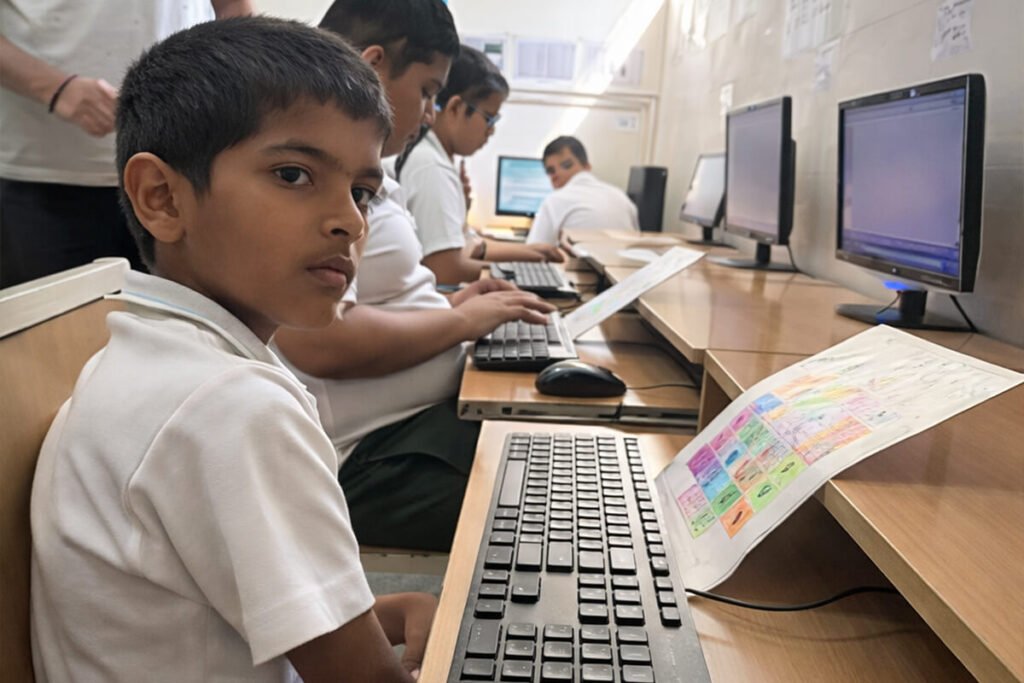
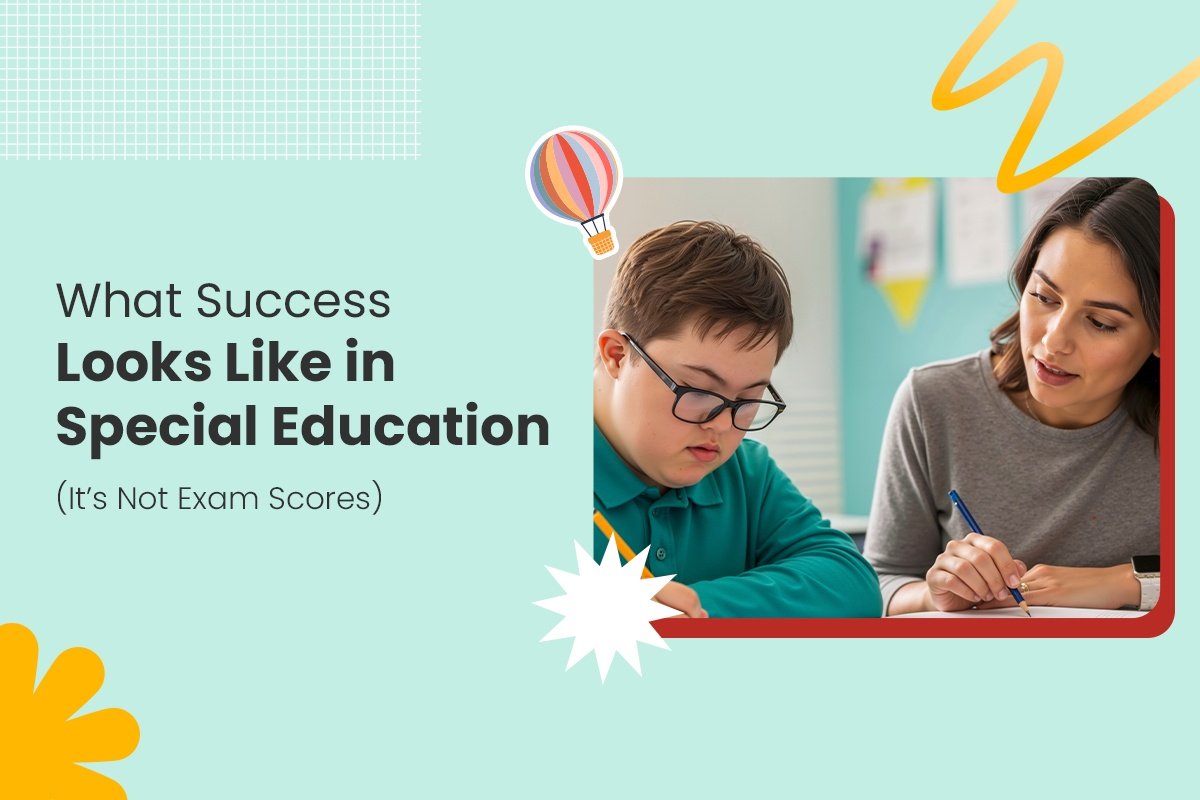
Progress in special education is measured differently. Instead of comparing children to age-based standards, progress is measured against individual growth and development.
Academic learning continues, but it is supported by:
- Emotional readiness
- Functional skills
- Communication development
- Life skills training
At Sorem, we believe that learning without emotional safety is ineffective.
How Will a Special School Support My Child’s Independence?
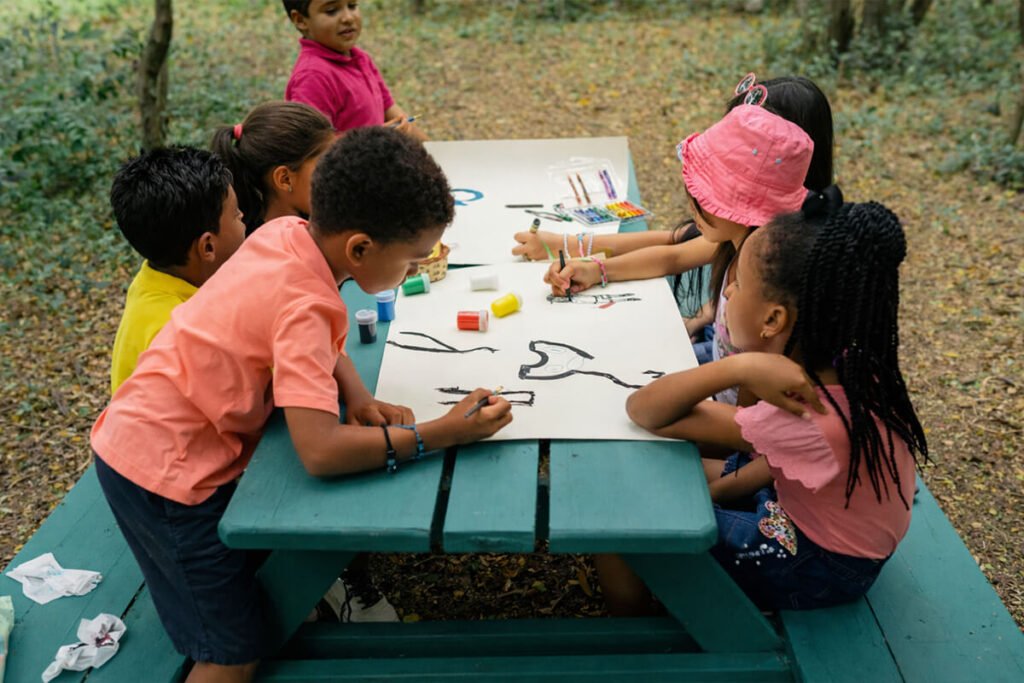
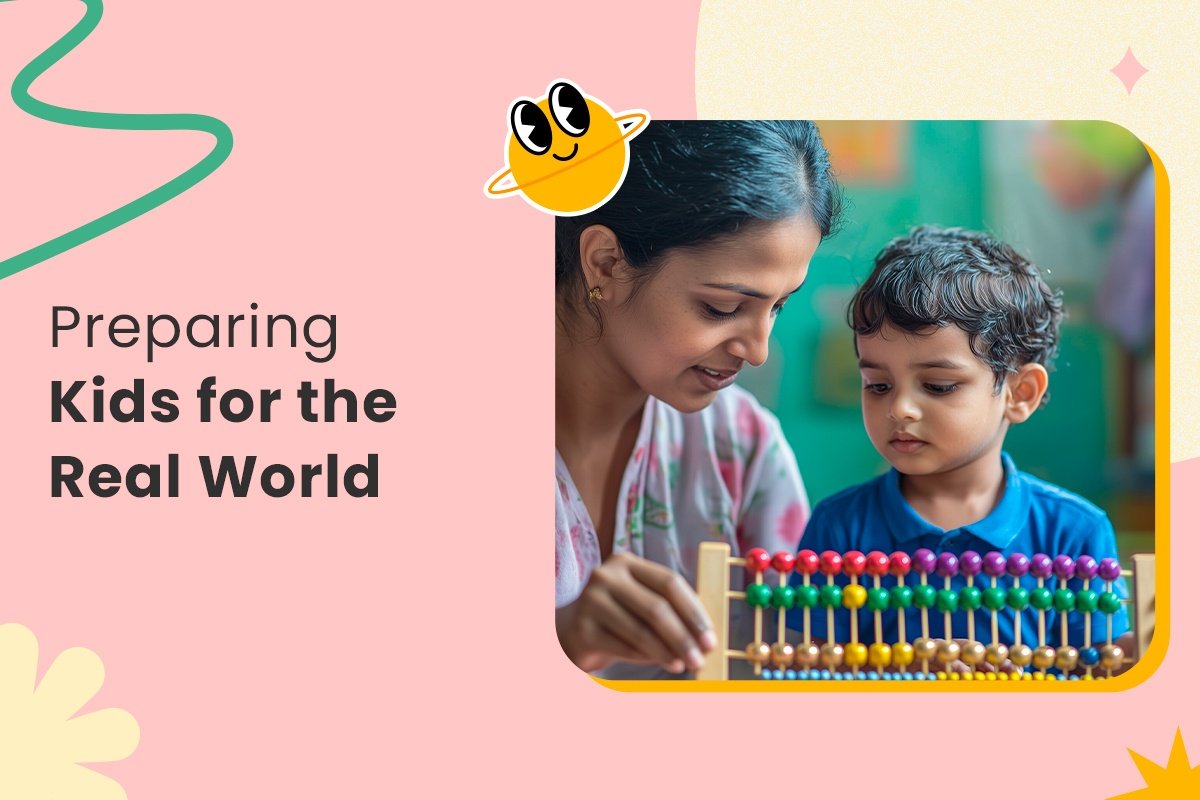
A core focus of special education is helping children become as independent as possible. Independence may include:
- Communicating needs
- Managing daily routines
- Building social skills
- Developing self-confidence
These skills are often foundational for long-term success and well-being.
What If My Child Transitions Back to a Regular School Later?
Special schools do not close doors—they often prepare children for future opportunities.
Some children may transition back to mainstream environments with the right support, while others continue to benefit from specialised settings. The focus is always on what best serves the child’s growth.
How Can Parents Feel Confident About This Decision?
Parents are encouraged to:
- Ask questions openly
- Observe classrooms and teaching methods
- Understand the school’s philosophy
- Trust both professional guidance and parental instincts
At Sorem, we believe that confidence comes from clarity, transparency, and partnership.
A Perspective from Sorem Special Children School
At Sorem, we do not see children as “not ready” for learning. We see children who need the right environment, pace, and understanding.
Our role is to walk alongside families, offering guidance without pressure, and ensuring that every decision is made in the child’s best interest.
A Gentle Message to Parents
If you are questioning whether your child is ready for a special school, it means you care deeply about their well-being. There is no single “right time” or “right choice”—only what is right for your child at this moment.
Choosing support is not a step backward. For many children, it is the beginning of growth, confidence, and comfort.
You are not alone in this journey—and neither is your child.