No one tells you about the guilt.
They talk about therapy. They talk about milestones. They talk about patience, resilience, and strength.
But no one really talks about the guilt that quietly follows parents of children with special needs — the kind that shows up late at night, in silence, when no one is watching.
I didn’t recognise it at first. I thought it was worry. Or fear. Or exhaustion. But over time, I realised it was something deeper.
It was guilt.
The Guilt That Comes With the Diagnosis

The day you realise your child is different, something shifts inside you.
You replay everything.
Did I miss something early on? Did I do something wrong during pregnancy? Should I have noticed the signs sooner? Did I fail my child somehow?
Even when doctors reassure you. Even when logic tells you otherwise. The questions don’t stop.
You smile in front of people. You say you’re coping. But inside, there’s a constant voice asking why — and often, that voice turns inward.
At first, I felt guilty for feeling guilty. Then I felt guilty for feeling tired. And then guilty for wishing things were easier.
It was an endless cycle.
Watching Other Children, Comparing Silently

You don’t plan to compare. It just happens.
At family gatherings. At parks. At school entrances.
You see other children doing things your child struggles with — speaking clearly, following instructions, making friends easily. And even though you love your child fiercely, a quiet ache settles in.
You wonder if your child feels left out. You wonder if the world will be kind to them. You wonder if they will be okay without you someday.
And then comes the guilt — for having these thoughts at all.
Because you’re supposed to be strong. Supposed to be grateful. Supposed to accept things without question.
But acceptance isn’t immediate. It’s a process.
The Pressure to Be the “Perfect” Parent
Parents of children with special needs often carry an invisible pressure.
To do more. To research more. To push harder. To never give up.
If your child struggles, you feel responsible. If progress is slow, you blame yourself. If you feel exhausted, you feel weak.
Somewhere along the way, parenting becomes performance. And guilt becomes constant.
I felt guilty when I pushed too much. I felt guilty when I stepped back. I felt guilty when I felt hopeful. And guilty when I felt hopeless.
There was no version of myself that felt “enough.”
When Support Feels Like Judgment
One of the hardest parts was navigating advice.
Everyone has suggestions. Everyone has opinions. Everyone thinks they know what’s best.
Sometimes support doesn’t feel supportive — it feels like judgment.
“Have you tried this?” “Maybe you should be more strict.” “Children sense fear, you know.”
Even when well-intended, these comments add weight. They reinforce the idea that if things aren’t improving, the fault must lie somewhere — and it usually lands on the parent.
It makes you second-guess every decision
The Day I Realised Guilt Wasn’t Helping My Child

It wasn’t a big moment. No dramatic realisation.
It was an ordinary day.
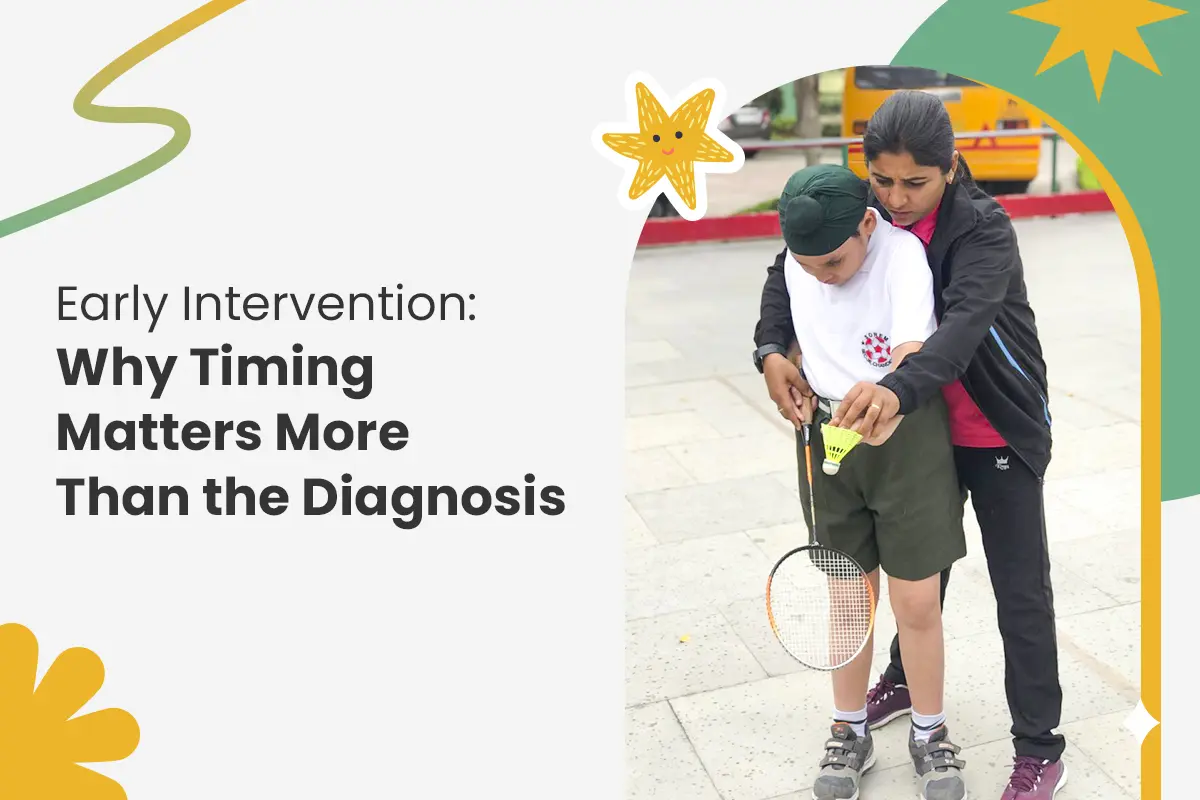
I was watching my child struggle with something simple. I stepped in quickly, out of habit — to help, to protect, to prevent frustration.
And then I stopped.
Not because someone told me to. But because I saw something in my child’s face — not failure, but effort.
That’s when it hit me.
My guilt wasn’t making my child stronger. My fear wasn’t making things easier. My constant self-blame wasn’t helping either of us.
It was just making the journey heavier.
Learning to Sit With Uncertainty
One of the hardest things to accept is not knowing.
Not knowing how fast progress will come. Not knowing what the future will look like. Not knowing what challenges lie ahead.
I realised I was exhausting myself trying to control outcomes that were never fully in my hands.
Letting go didn’t mean giving up. It meant releasing the idea that I had to have all the answers.
It meant allowing space for uncertainty — without turning it into self-punishment.
Shifting Focus From “Why” to “What Now”
There came a time when the questions changed.
Less why did this happen? More what does my child need today?
That shift didn’t happen overnight. It happened slowly — through conversations, observation, and support.
I learned that guilt keeps you stuck in the past. Presence keeps you grounded in the present.
And children need presence far more than perfection.
Accepting That Progress Will Look Different
I stopped measuring progress against other children.
Instead, I started noticing my own child.
Small things. Quiet things.
A calmer response. A new attempt. A moment of connection.
These things mattered — even if the world didn’t notice.
Once I stopped carrying guilt, I started seeing growth more clearly.
What Letting Go of Guilt Really Means
Letting go of guilt doesn’t mean you stop caring.
It means you stop punishing yourself for things beyond your control.
It means recognising that love is not measured by outcomes, but by consistency.
It means understanding that you are allowed to feel tired, overwhelmed, hopeful, and unsure — sometimes all at once.
And it means trusting that doing your best does not require being perfect.
To Other Parents Reading This

If you’re carrying guilt — you’re not alone.
If you feel tired — you’re not failing. If you feel unsure — you’re still doing your best.
Your child does not need you to be flawless. They need you to be present, patient, and kind — to them and to yourself.
The journey is long. Some days will feel heavy. Some days will feel lighter.
Letting go of guilt doesn’t change the journey — but it makes it possible to walk it with more peace.
And sometimes, that peace is the greatest gift you can give your child.