Children with special needs are often misunderstood—not because of lack of care, but because of deeply rooted myths and assumptions that continue to circulate in society. These myths influence how children are treated, how parents are judged, and how support systems are designed.
At Sorem Special Children School, we work closely with children and families every day. One truth becomes clear through experience: misinformation causes more harm than the condition itself. It creates fear, stigma, delayed intervention, and unrealistic expectations.
This blog addresses some of the most common myths surrounding special children and explains why it is time to move beyond them.
Myth 1: Special Children Cannot Learn or Progress
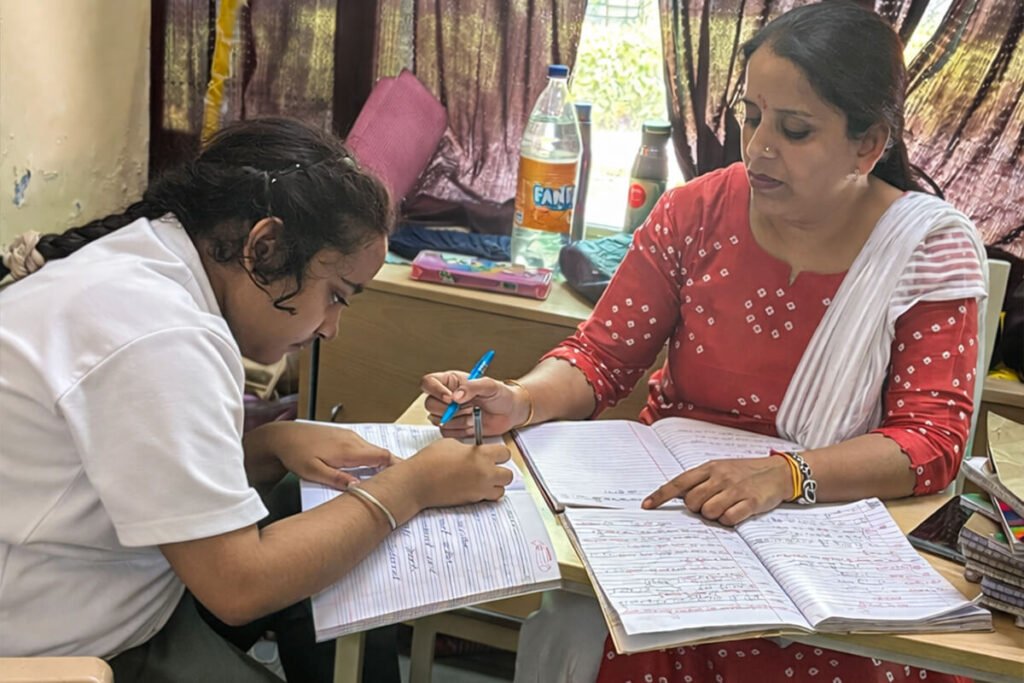
One of the most damaging misconceptions is that children with special needs cannot learn or improve. This belief is not only incorrect but deeply unfair.
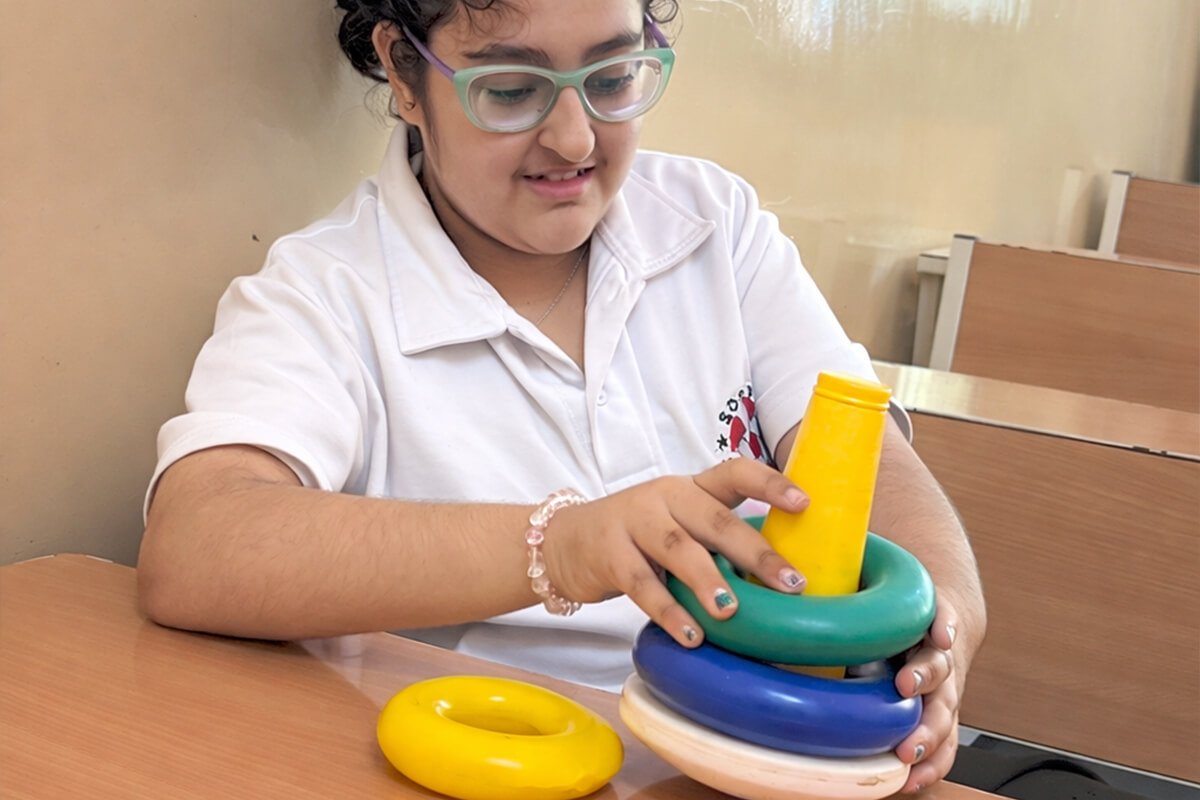
Children with autism, ADHD, developmental delays, or other special needs do learn—often in different ways, at different paces, and through different methods. Progress may not always look like conventional academic success, but it is real and meaningful.
Learning can include:
- Improved communication
- Better emotional regulation
- Increased independence
- Social interaction skills
- Daily life skills
When appropriate support, structured education, and patience are provided, children demonstrate growth that challenges outdated assumptions.
Myth 2: Special Children Are Always Unhappy or Emotionally Distant
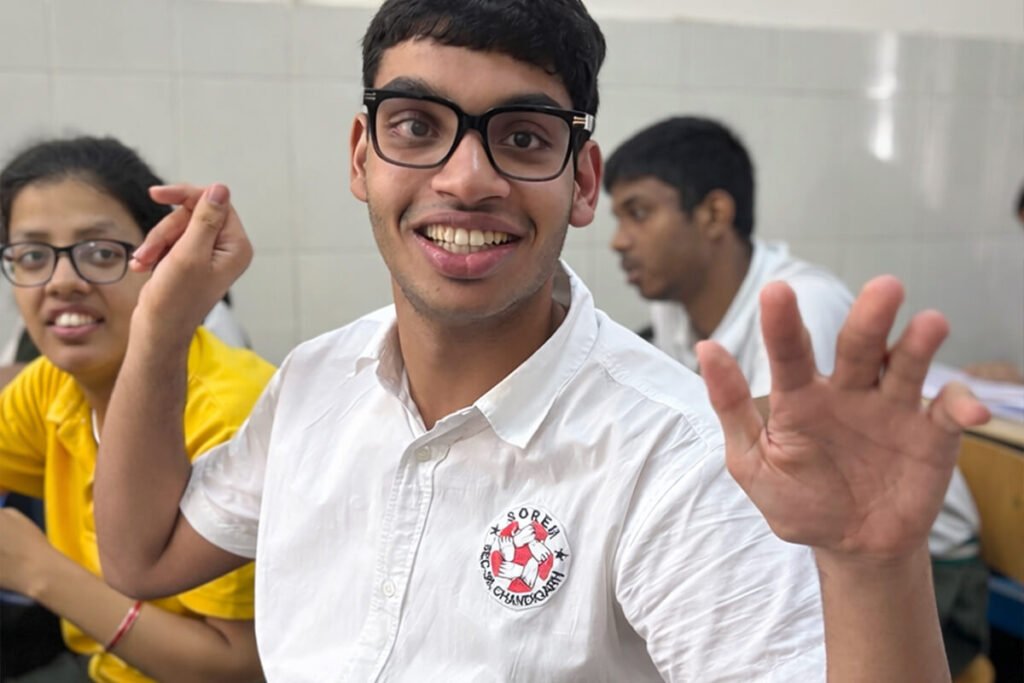
Many people assume that children with special needs are constantly unhappy, withdrawn, or disconnected from emotions. This is a misconception rooted in misunderstanding behaviour as emotion.
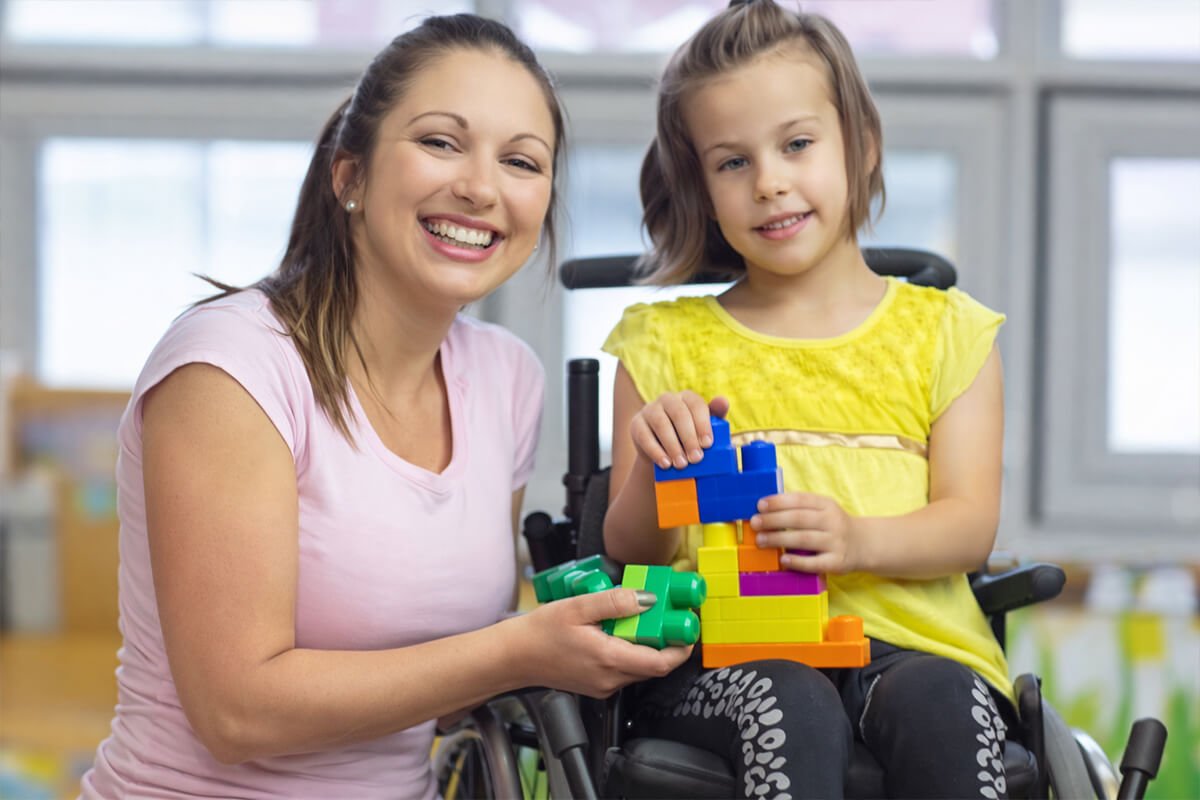
In reality, special children experience joy, affection, curiosity, and attachment, just like any other child. They may express emotions differently, but that does not mean those emotions are absent.
Children may:
- Show happiness through actions rather than words
- Express affection in non-traditional ways
- Need time and support to communicate feelings
Understanding emotional expression beyond societal norms is essential for genuine inclusion.
Myth 3: Parenting Causes Special Needs
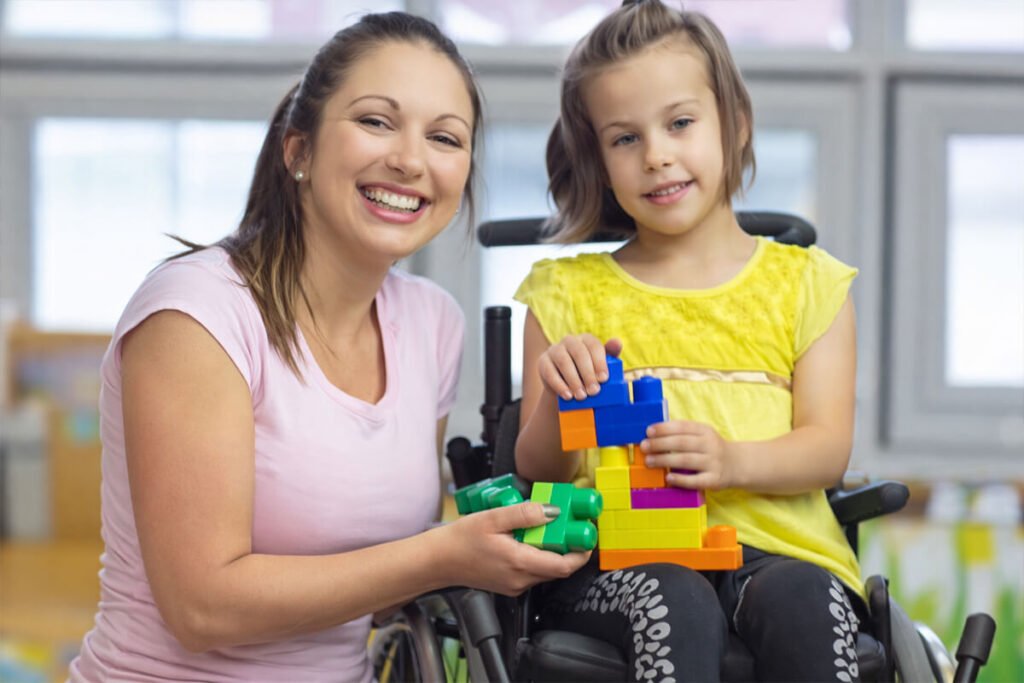
This myth places an unfair emotional burden on parents, especially mothers. The idea that parenting style, discipline, or emotional bonding causes special needs is completely unfounded.
Conditions such as autism, ADHD, and developmental delays are neurodevelopmental in nature. They are not caused by:
- Poor parenting
- Lack of attention
- Emotional distance
- Working parents
- Screen exposure alone
Blaming parents delays acceptance, prevents timely intervention, and adds unnecessary guilt to families already navigating challenges.
Myth 4: Special Children Will Never Be Independent
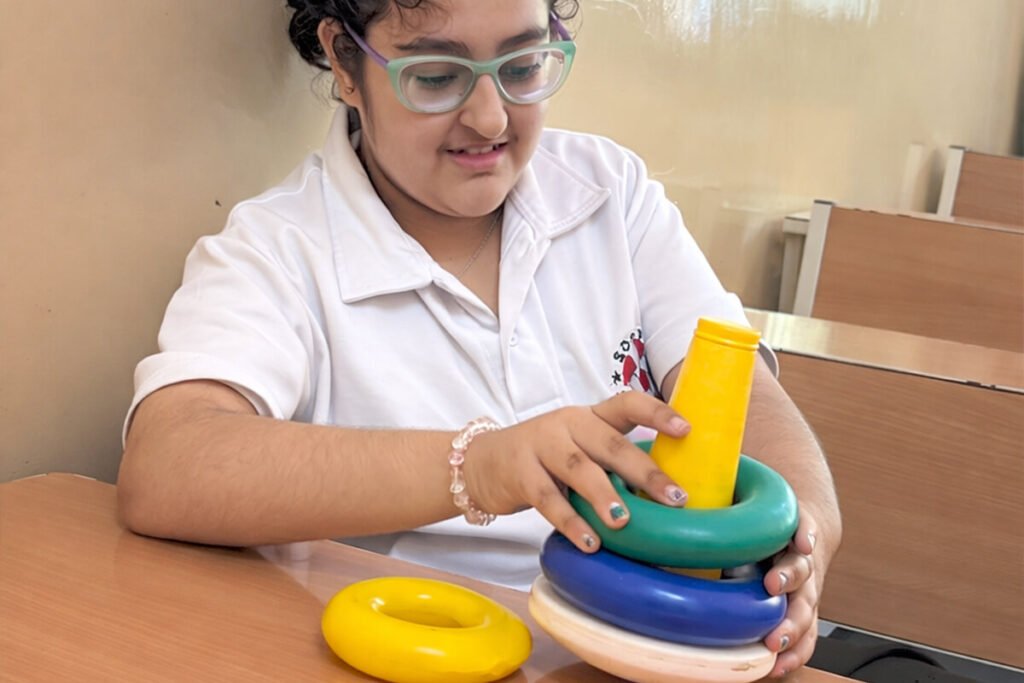
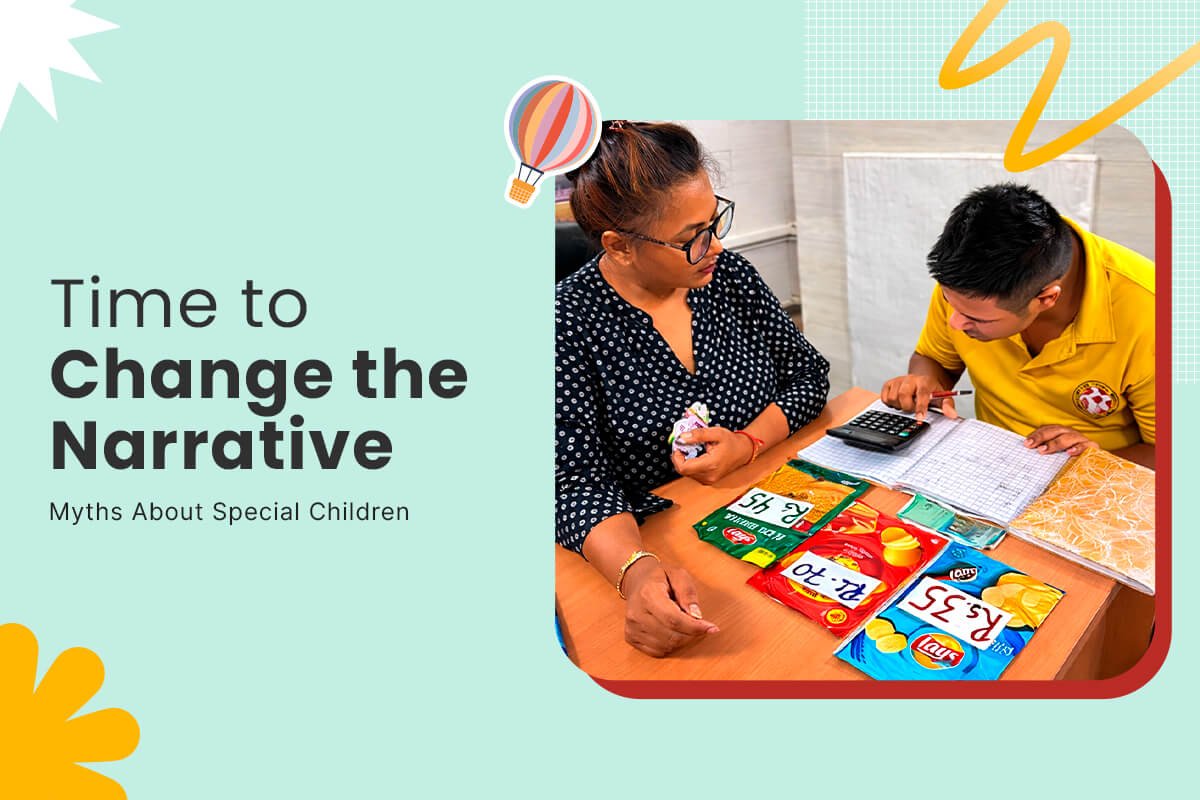
Independence looks different for every individual. Assuming that special children will always be dependent ignores the wide range of abilities and outcomes seen with proper support.
Independence may include:
- Managing daily routines
- Communicating needs
- Making choices
- Developing vocational or life skills
- Participating in community activities
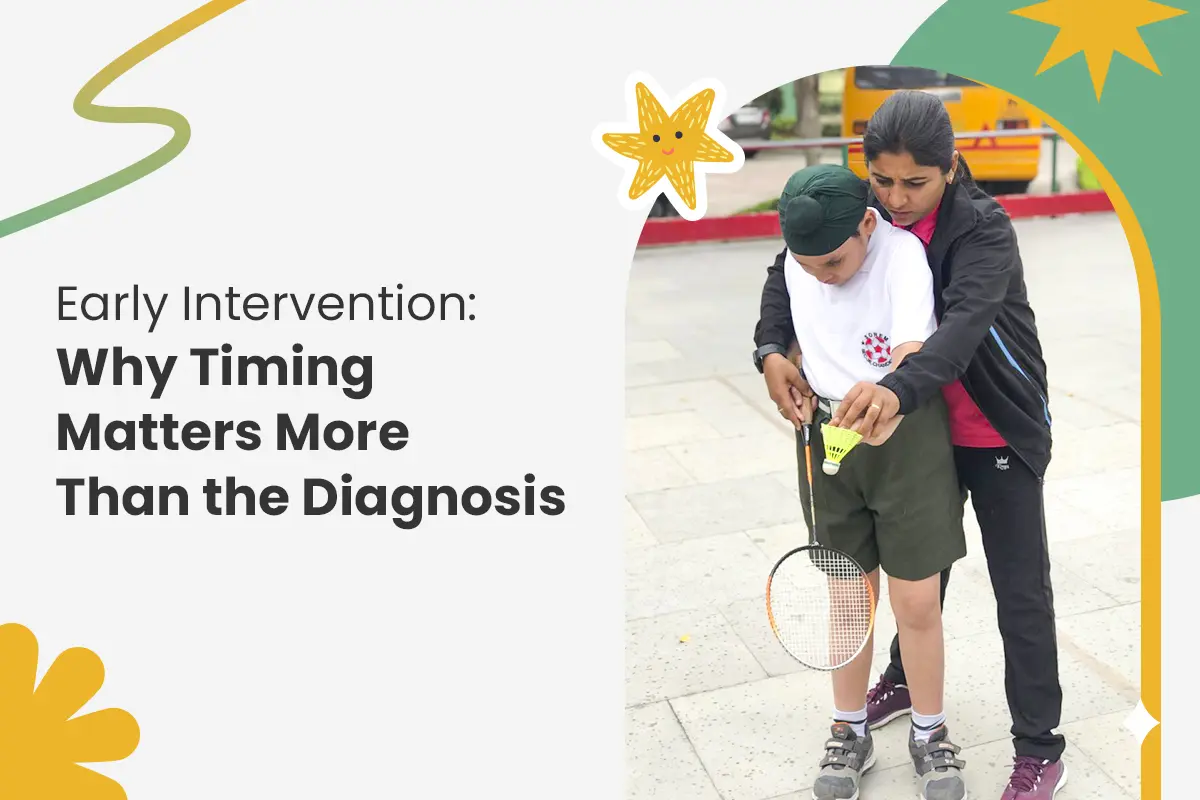
With early intervention, structured learning, and life-skills training, many children develop functional independence aligned with their abilities.
Myth 5: Special Schools Limit a Child’s Growth
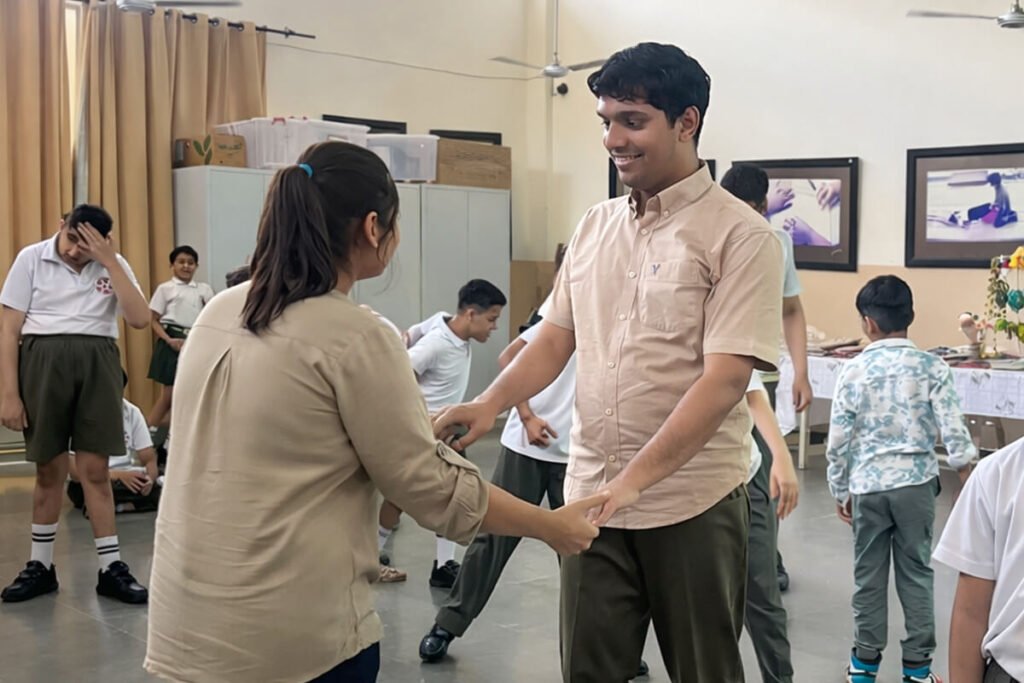
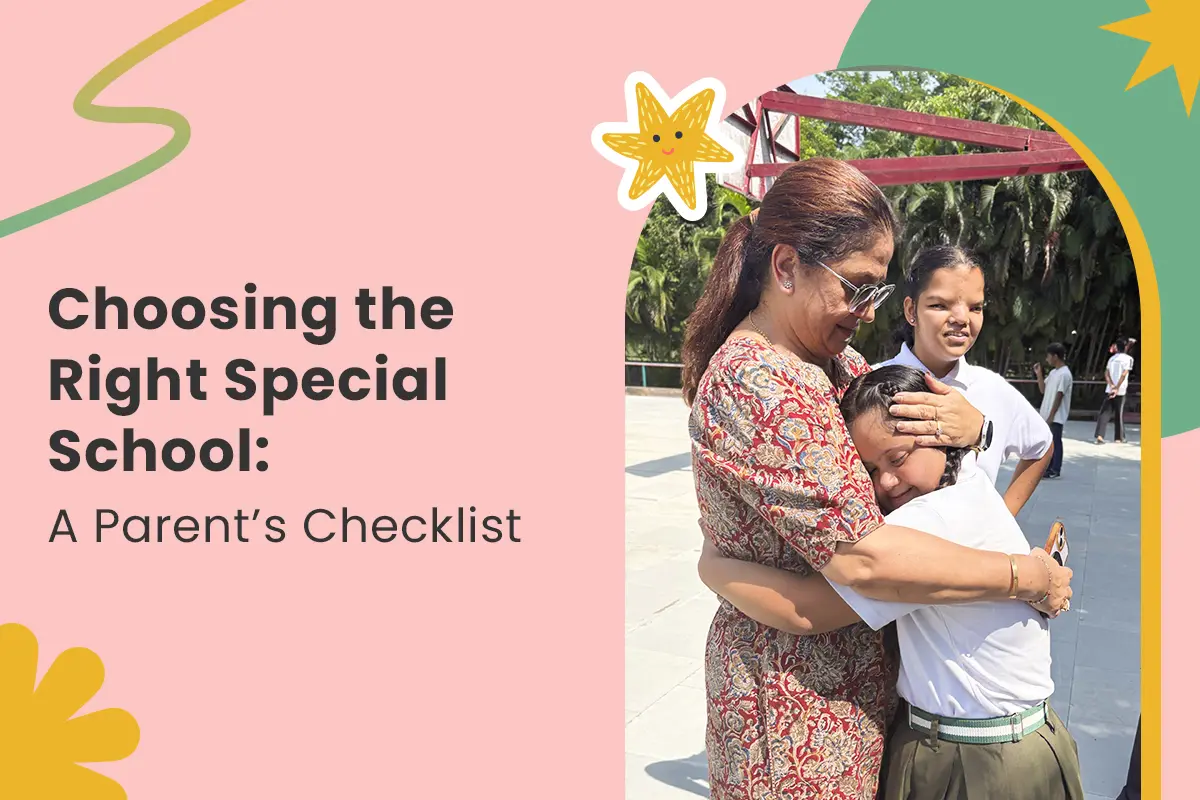
Some believe that enrolling a child in a special school means giving up on their potential. In reality, special schools exist to unlock potential, not restrict it.
A specialised educational environment provides:
- Individualised learning plans
- Trained professionals
- Therapeutic integration
- Emotional safety
- Realistic goal setting
For many children, this environment allows them to thrive in ways that traditional settings cannot support adequately.
Myth 6: Special Children Cannot Be Part of Society
This myth fuels exclusion and social isolation. Special children are often kept away from public spaces, celebrations, or group activities due to fear of judgement or misunderstanding.
Inclusion is not about forcing children to “fit in”—it is about society learning to accept differences.
Special children can:
- Form meaningful relationships
- Contribute in unique ways
- Participate in community life
- Develop social identity
Inclusion benefits not only special children, but also builds empathy and awareness within society as a whole.
Myth 7: Improvement Should Be Quick and Visible
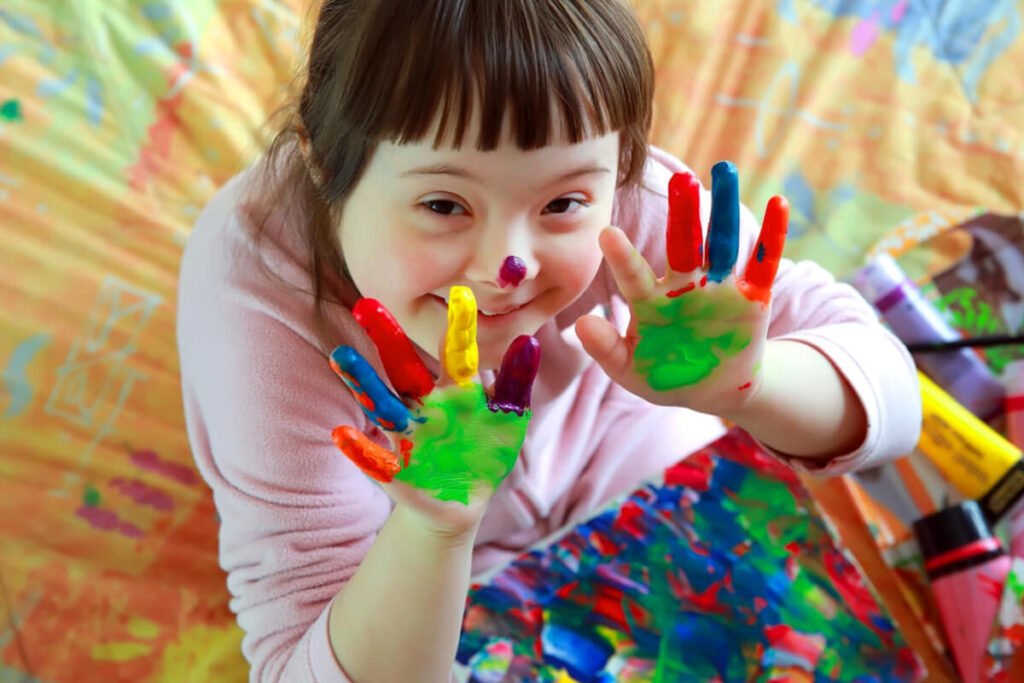
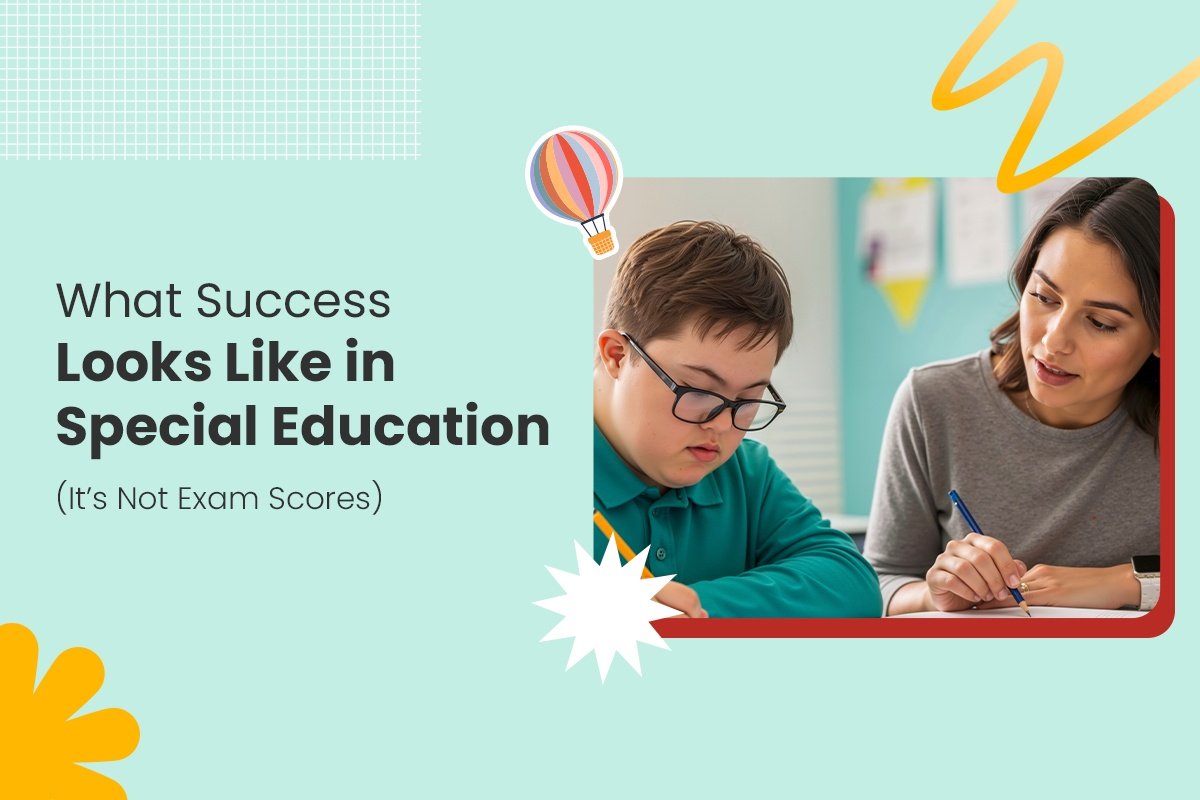
Progress in special education is often gradual and non-linear. Expecting rapid, visible improvement leads to disappointment and pressure.
Progress may look like:
- Reduced anxiety
- Improved attention span
- Fewer behavioural challenges
- Better communication attempts
- Increased participation
These changes may be subtle but are foundational for long-term development. Measuring progress requires patience and professional understanding.
Myth 8: Labels Define a Child’s Future
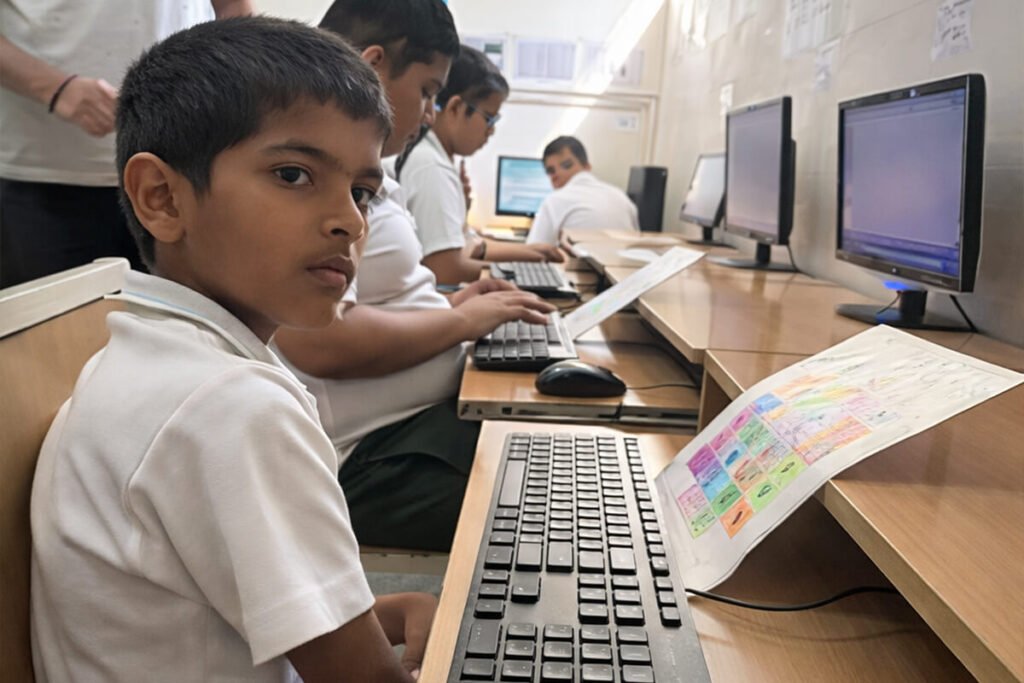
Diagnostic labels are tools for planning support—not predictions of a child’s life trajectory. When labels are misunderstood, they become limitations rather than guides.
A diagnosis does not define:
- Intelligence
- Worth
- Personality
- Potential
What truly shapes outcomes is timely support, consistent effort, and a nurturing environment.
The Impact of Myths on Families
These myths do not affect children alone. They deeply impact parents and caregivers by:
- Creating guilt and self-blame
- Delaying acceptance
- Preventing early intervention
- Increasing social isolation
Breaking these myths is essential not just for children’s development, but for family well-being.
What Needs to Change
To move forward, society must:
- Replace judgement with understanding
- Replace assumptions with education
- Replace fear with acceptance
Professionals, schools, families, and communities all play a role in creating environments where special children are supported rather than misunderstood.
A Professional Perspective
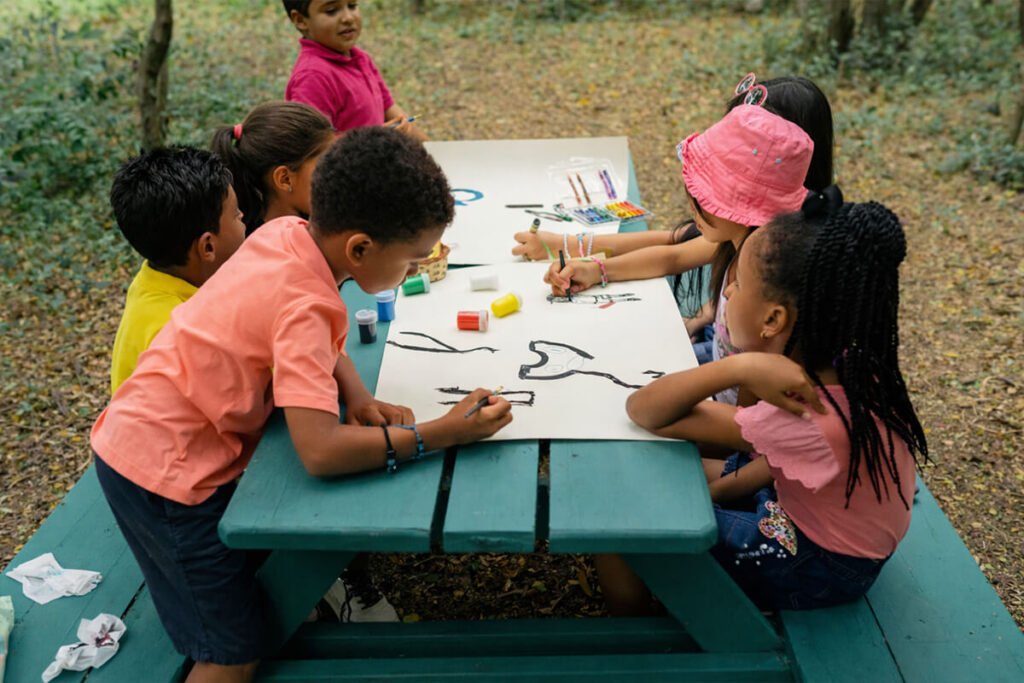
At Sorem Special Children School, we see beyond labels and stereotypes. We see children with strengths, challenges, emotions, and possibilities. Every child deserves dignity, opportunity, and support tailored to their needs.
Ending these myths is not about sympathy—it is about respect, awareness, and informed care.
A Closing Message
Special children do not need to be “fixed.” They need to be understood, supported, and accepted. When myths are replaced with knowledge, children are given the space to grow in their own way.
Change begins with awareness—and awareness begins with conversations like these.