For many parents of special children, progress is often expected to look a certain way—clear words spoken, grades improved, behaviours corrected, or milestones crossed within fixed timelines. When these visible signs do not appear quickly, parents are left with difficult questions.
Is my child improving?
Are we doing enough?
Is something being missed?
At Sorem Special Children School, we meet parents every day who are quietly carrying these concerns. One of the most important understandings we share is this: progress in special children is real, even when it is not immediately visible.
Why Progress Looks Different for Special Children
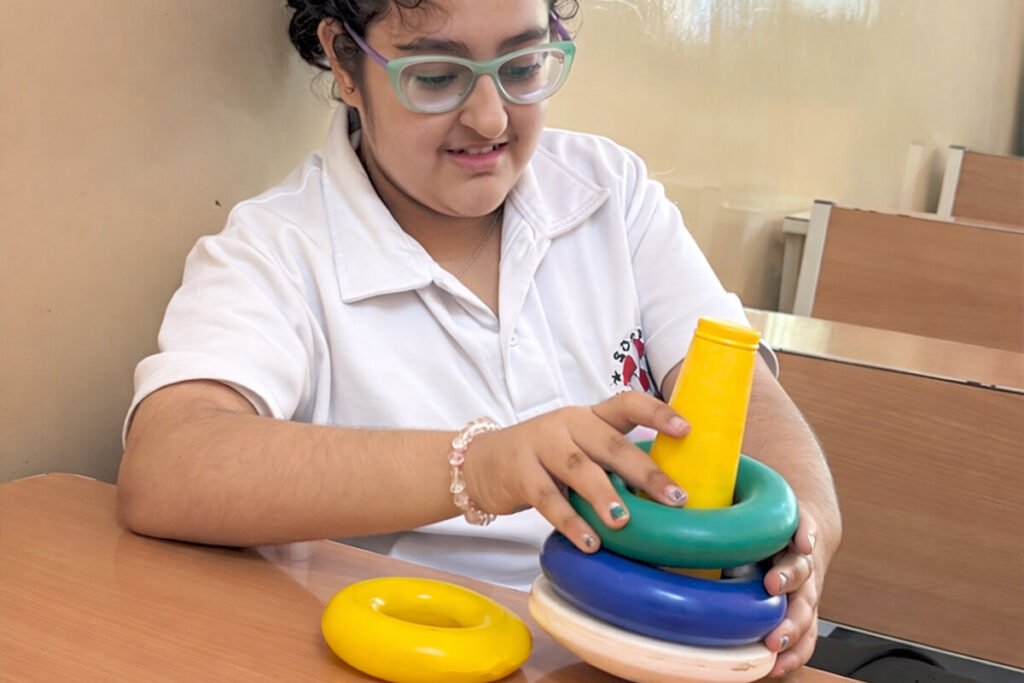
Children with developmental delays, autism, ADHD, or other special needs often grow in ways that do not follow conventional timelines. Their development may be slower, uneven, or take unexpected paths.
Unlike typical developmental progress, improvement in special children may:
- Appear gradual rather than sudden
- Show emotional or behavioural change before academic change
- Be visible in comfort and confidence before skills
This difference does not mean stagnation. It means development is happening beneath the surface, preparing the child for the next step.
Understanding What “Small Milestones” Really Mean
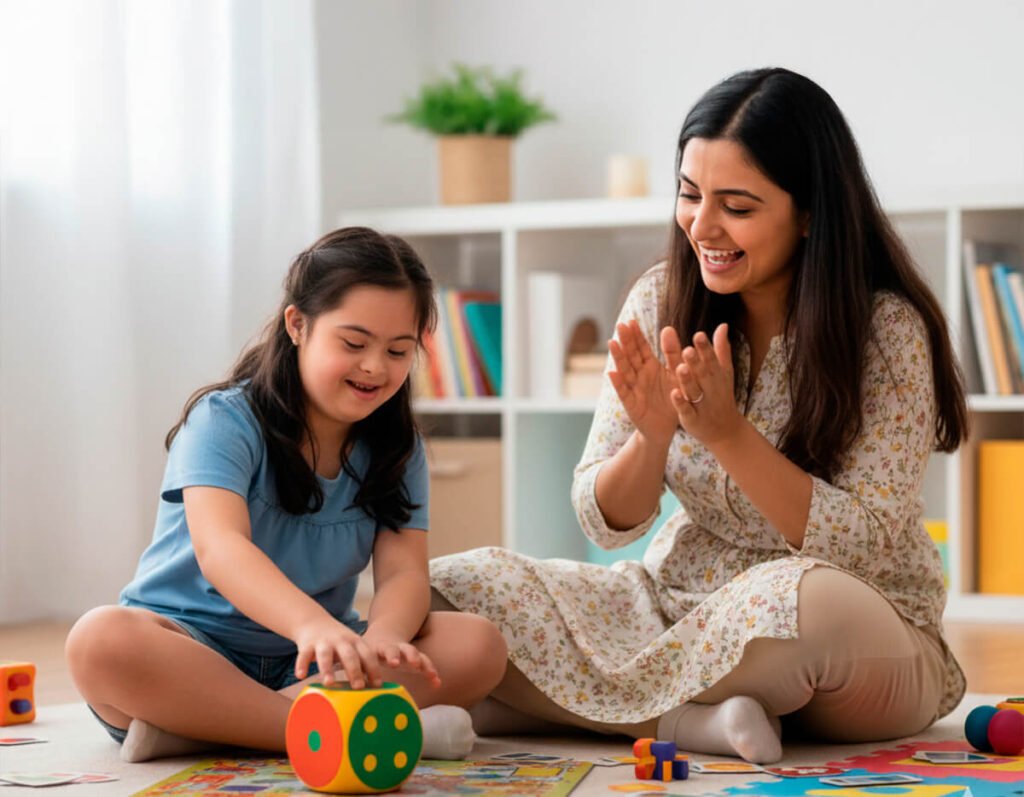
Small milestones are often overlooked because they do not always fit into standard checklists. However, these moments are deeply meaningful.
Small milestones may include:
- A child maintaining eye contact for a few seconds longer
- Reduced anxiety during transitions
- Improved tolerance to sounds or touch
- Sitting calmly for a short activity
- Attempting communication, even without clear words
These are not minor achievements. They are foundational steps toward independence and learning.
Why These Small Changes Matter
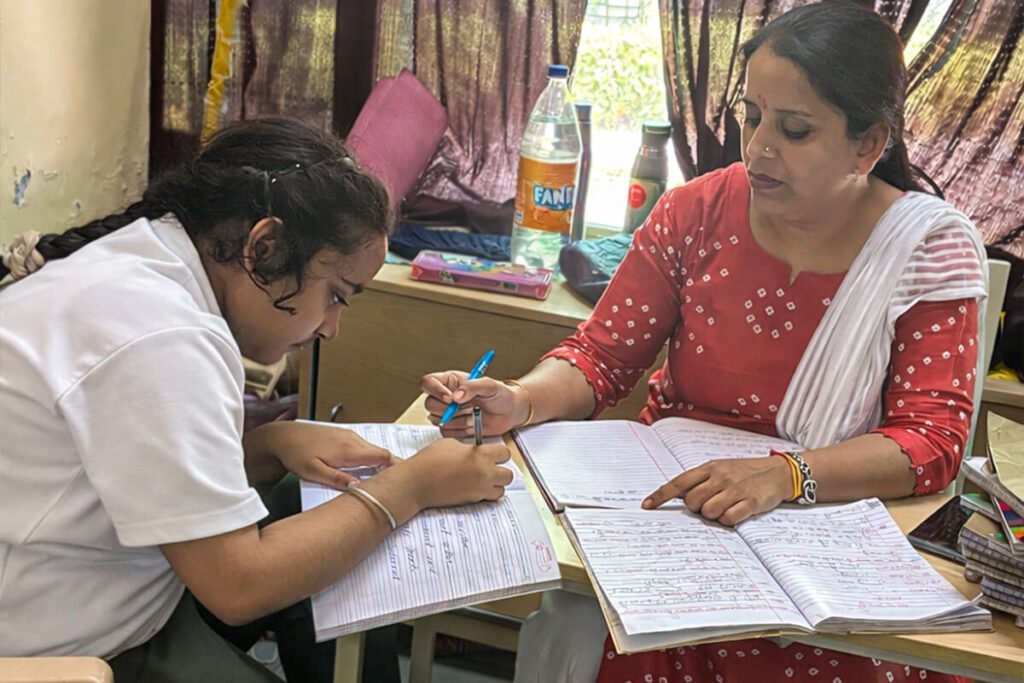
At Sorem, we often explain to parents that development is like building a structure. Without a strong foundation, visible growth cannot sustain itself.
Small milestones:
- Build emotional regulation
- Increase learning readiness
- Reduce frustration and behavioural challenges
- Improve trust and engagement
When a child feels safer, calmer, and more regulated, meaningful progress becomes possible.
The Emotional Journey for Parents
It is natural for parents to compare—whether with other children, relatives, or expectations set by society. This comparison often leads to self-doubt and emotional exhaustion.
Parents may feel:
- Discouraged when progress is slow
- Anxious about the future
- Guilty for expecting more
- Unsure whether their efforts are working
At Sorem, we remind parents that progress cannot be rushed, and emotional well-being—both for the child and the family—is just as important as measurable outcomes.
How Educators and Therapists Observe Progress
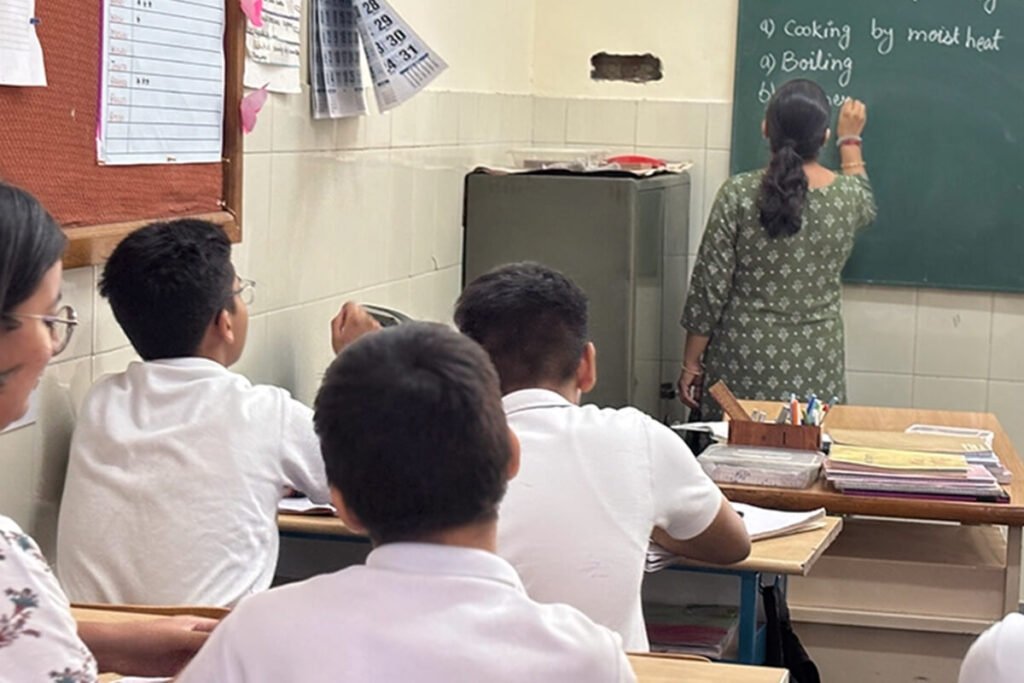
Professionals are trained to notice changes that may not be immediately obvious to others. Progress is observed through patterns over time rather than isolated moments.
Educators and therapists look for:
- Increased engagement during activities
- Improved response to instructions
- Better emotional regulation
- Reduced dependence on prompts
- Willingness to try new tasks
These indicators guide intervention planning and show that the child is moving forward, even if the pace feels slow.
Why Progress Is Often Non-Linear
Development in special children is rarely a straight line. A child may show improvement, experience a plateau, and then progress again. This fluctuation is normal and expected.
Factors that influence progress include:
- Emotional state
- Environmental changes
- Health and sensory needs
- Consistency of support
Temporary setbacks do not erase progress. They are part of the learning process.
The Role of Consistency and Patience
Consistency plays a critical role in helping children consolidate skills. Small routines, repeated experiences, and patient guidance allow children to feel secure.
At Sorem Special Children School, we focus on:
- Structured routines
- Individualised goals
- Reinforcement of small successes
- Creating emotionally safe learning spaces
Over time, this consistency transforms small milestones into meaningful independence.
When Progress Feels Invisible
There are times when progress feels absent, despite ongoing effort. During these periods, it is important to remember that learning continues even when it is not outwardly expressed.
Invisible progress may include:
- Internal processing of information
- Emotional adaptation
- Sensory regulation
- Increased understanding without expression
These stages are often followed by visible breakthroughs.
Supporting Your Child Through Small Milestones
Parents play a vital role in recognising and reinforcing progress. Acknowledging small achievements builds confidence and motivation.
Parents can support progress by:
- Celebrating effort rather than outcomes
- Avoiding constant comparison
- Maintaining realistic expectations
- Communicating regularly with educators and therapists
Every child benefits from encouragement that is patient and unconditional.
A Perspective from Sorem Special Children School
At Sorem, we do not measure success by comparison or timelines. We measure it by growth, comfort, and capability.
We see children who:
- Learn to trust their environment
- Develop emotional resilience
- Gain confidence in small daily tasks
- Build skills that lead to long-term independence
These achievements may not always be immediately visible, but they are deeply significant.
A Reassuring Message to Parents
If you feel that your child’s progress is slow or difficult to see, know that you are not alone. Progress is not always loud or obvious. Sometimes, it is quiet, steady, and happening beneath the surface.
Your child is learning.
Your efforts matter.
And every small step counts.
With patience, understanding, and consistent support, small milestones become strong foundations for future growth.