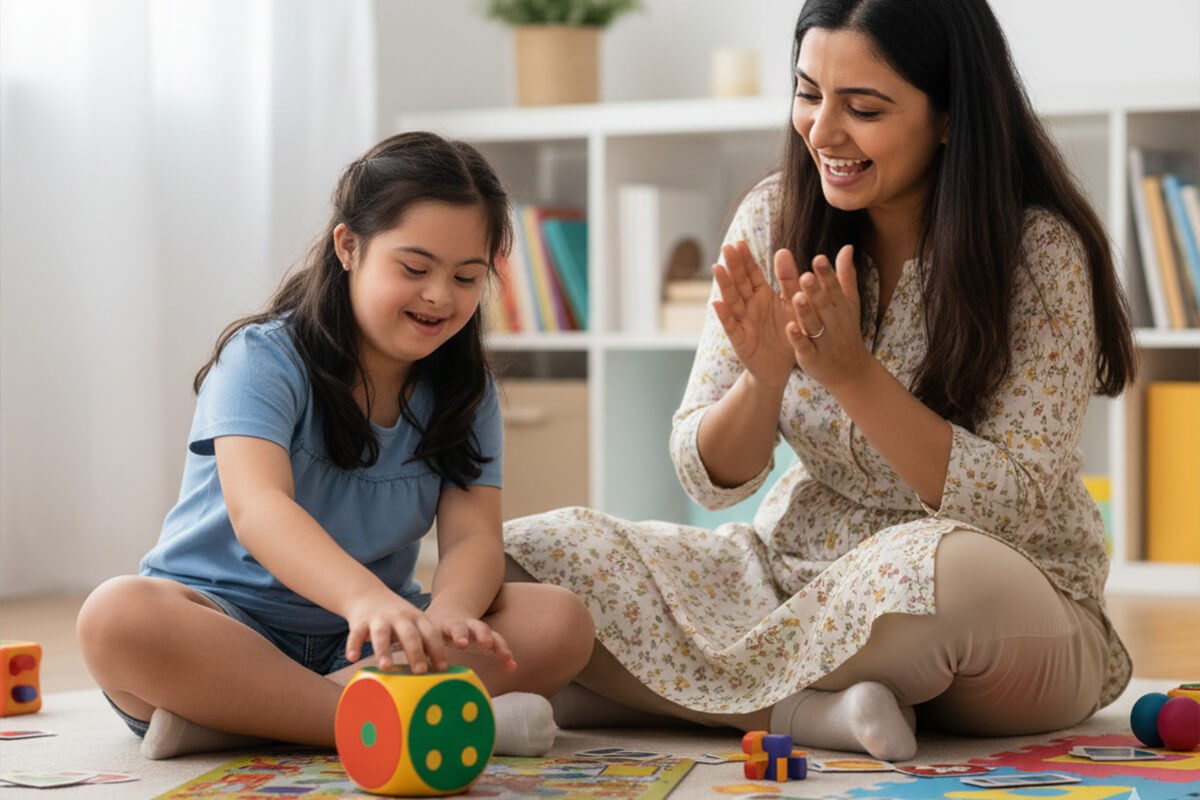

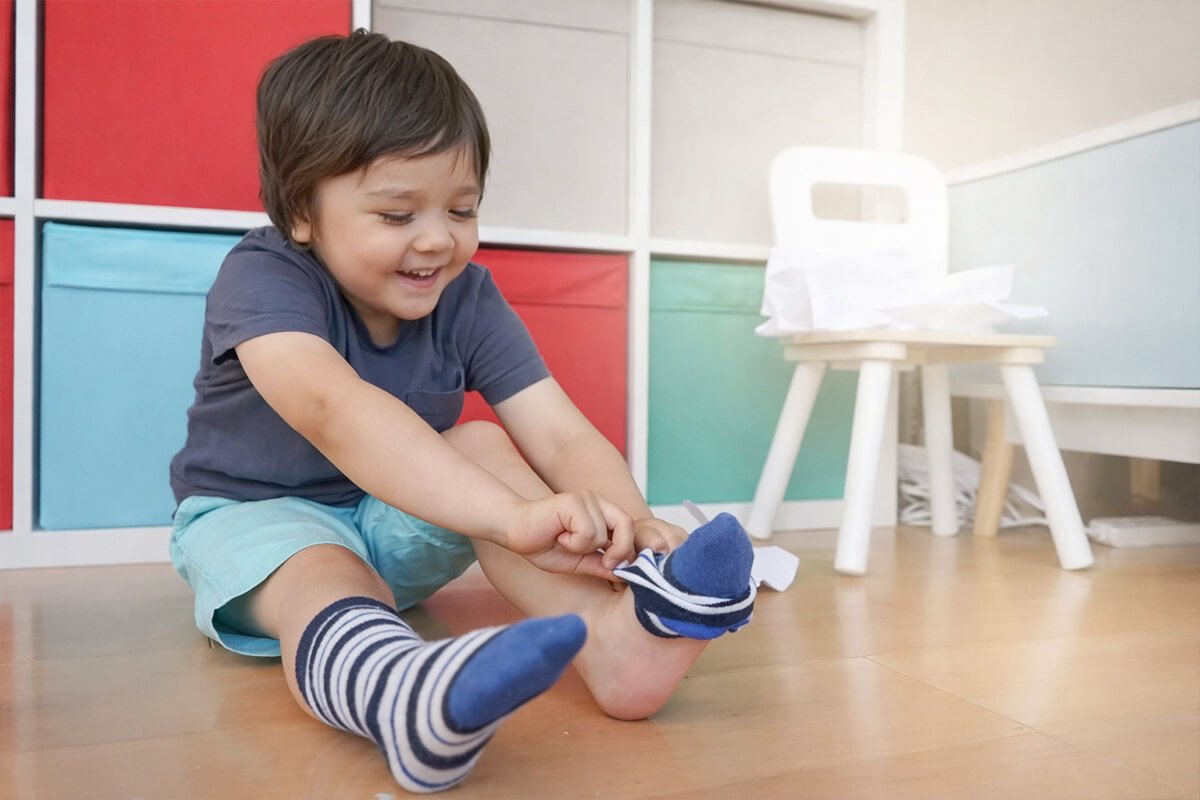
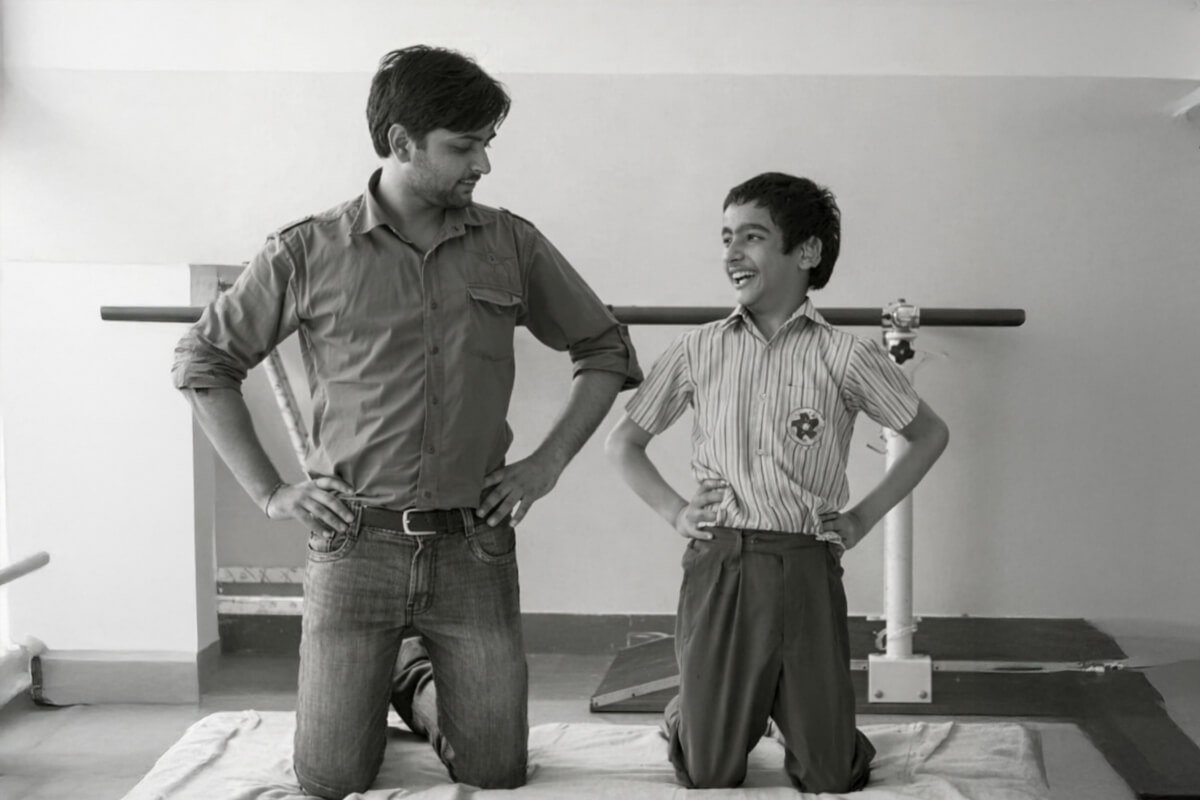
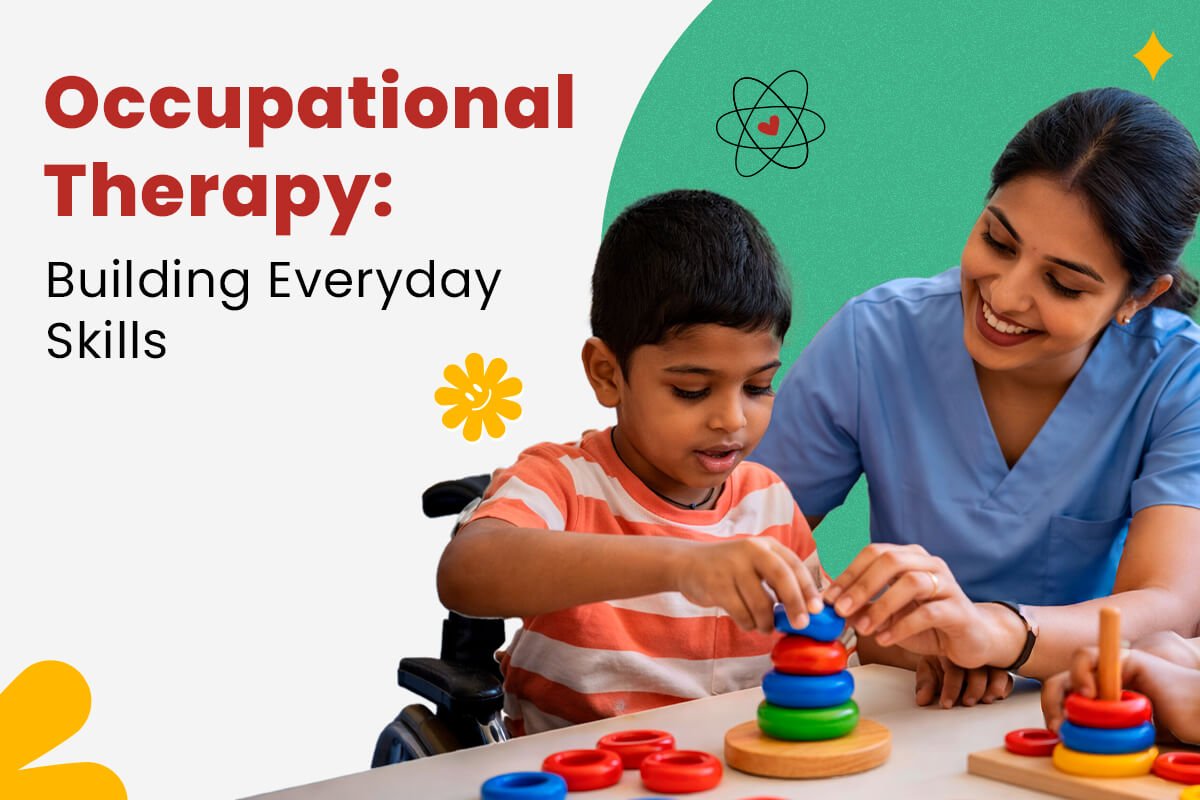
For many children with special needs, everyday tasks that are often taken for granted – such as holding a spoon, buttoning a shirt, following routines, or coping with sensory input – can feel overwhelming. These challenges are not a reflection of ability or effort, but rather of how a child processes information, plans movements, and interacts with their environment.
This is where Occupational Therapy (OT) plays a vital role. At Sorem Special Children School, occupational therapy is a key component of our holistic approach to helping children build functional independence, confidence, and participation in daily life.
Understanding Occupational Therapy in Simple Terms
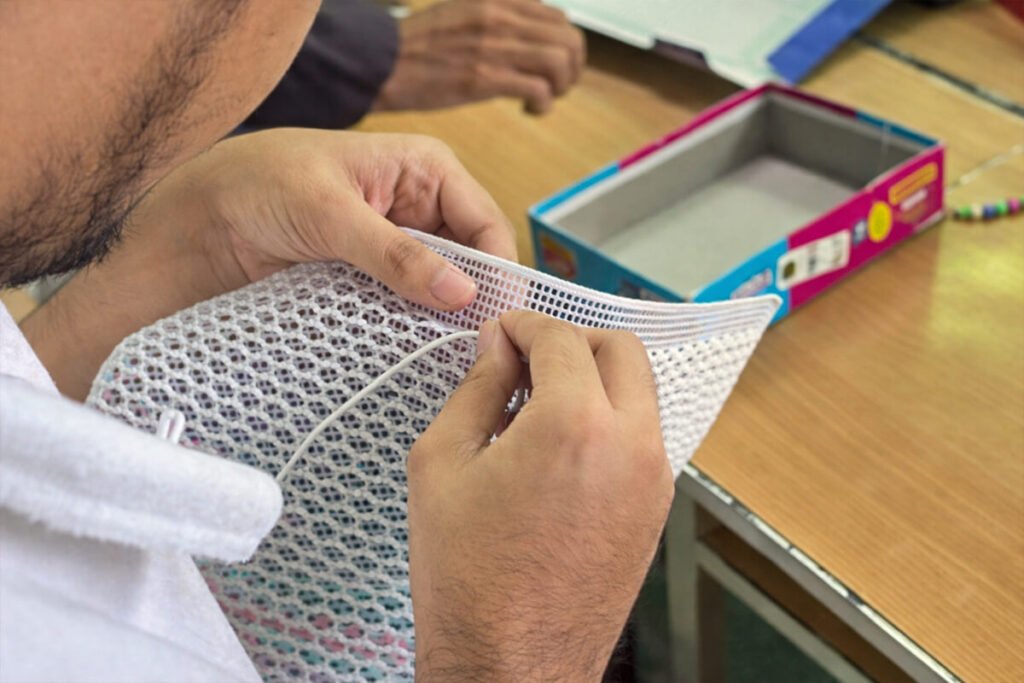
Occupational therapy focuses on helping children develop the skills they need to perform everyday activities – or “occupations” – that are meaningful to them. For children, these activities include self-care, play, learning, and social participation.
Occupational therapy does not aim to change who the child is. Instead, it supports the child in:
- Understanding their body and surroundings
- Developing functional skills
- Managing sensory and emotional responses
- Becoming more independent in daily routines
The ultimate goal is to help children participate as fully as possible in their home, school, and community environments.
Why Daily Independence Matters

Daily independence is not about perfection or doing everything without help. It is about enabling children to do as much as they can for themselves, in ways that are appropriate to their abilities.
When children gain independence:
- Their self-confidence improves
- Anxiety and frustration reduce
- Behavioural challenges often decrease
- Participation in learning increases
Small achievements – such as feeding independently or following a simple routine—lay the foundation for long-term development and self-esteem.
Areas Where Occupational Therapy Supports Independence
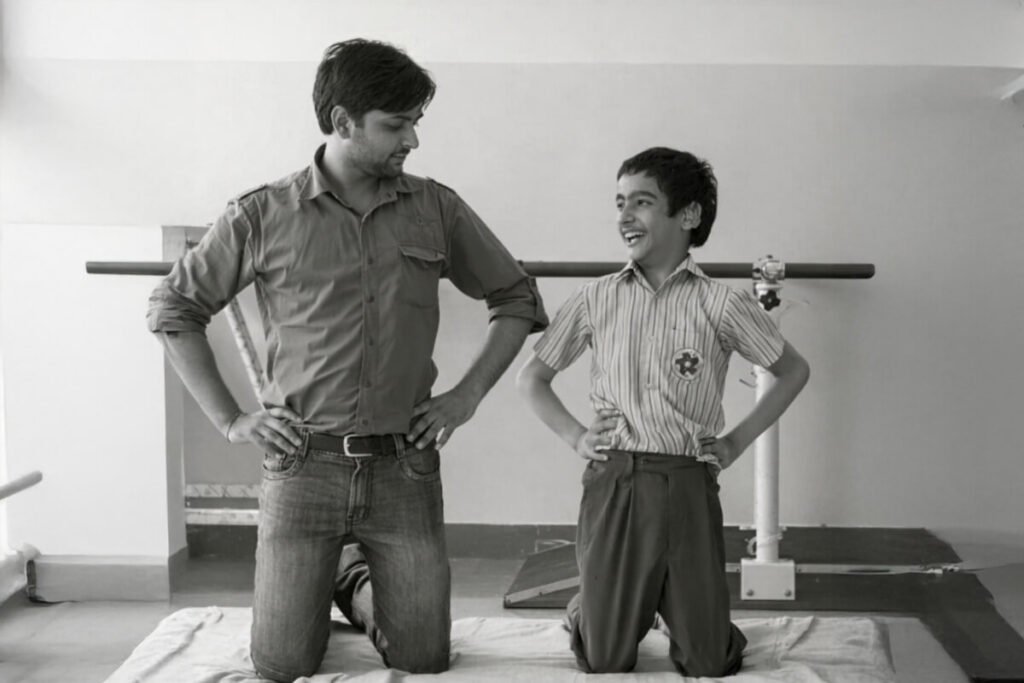
Occupational therapy addresses multiple developmental areas that directly affect a child’s ability to function independently.
1. Fine Motor Skills
Fine motor skills involve the small muscles of the hands and fingers, which are essential for daily tasks.
Occupational therapy helps children improve:
- Grasping and holding objects
- Writing and drawing skills
- Using cutlery
- Buttoning, zipping, and dressing tasks
These skills are crucial for both self-care and classroom participation.
2. Gross Motor Coordination and Body Awareness
Many children struggle with balance, posture, and coordination. Occupational therapy supports:
- Sitting posture and stability
- Balance and movement planning
- Body awareness in space
Improved coordination helps children feel more in control of their movements, which directly impacts confidence and safety.
3. Sensory Processing and Regulation
Some children are overly sensitive to sounds, textures, lights, or movement, while others seek constant sensory input. These sensory differences can interfere with daily activities.
Occupational therapy helps children:
- Understand and regulate sensory input
- Cope with overwhelming environments
- Improve focus and emotional regulation
Through structured sensory activities, children learn how to remain calm, attentive, and organised.
4. Self-Care and Daily Living Skills
Self-care is a major focus of occupational therapy. These skills include:
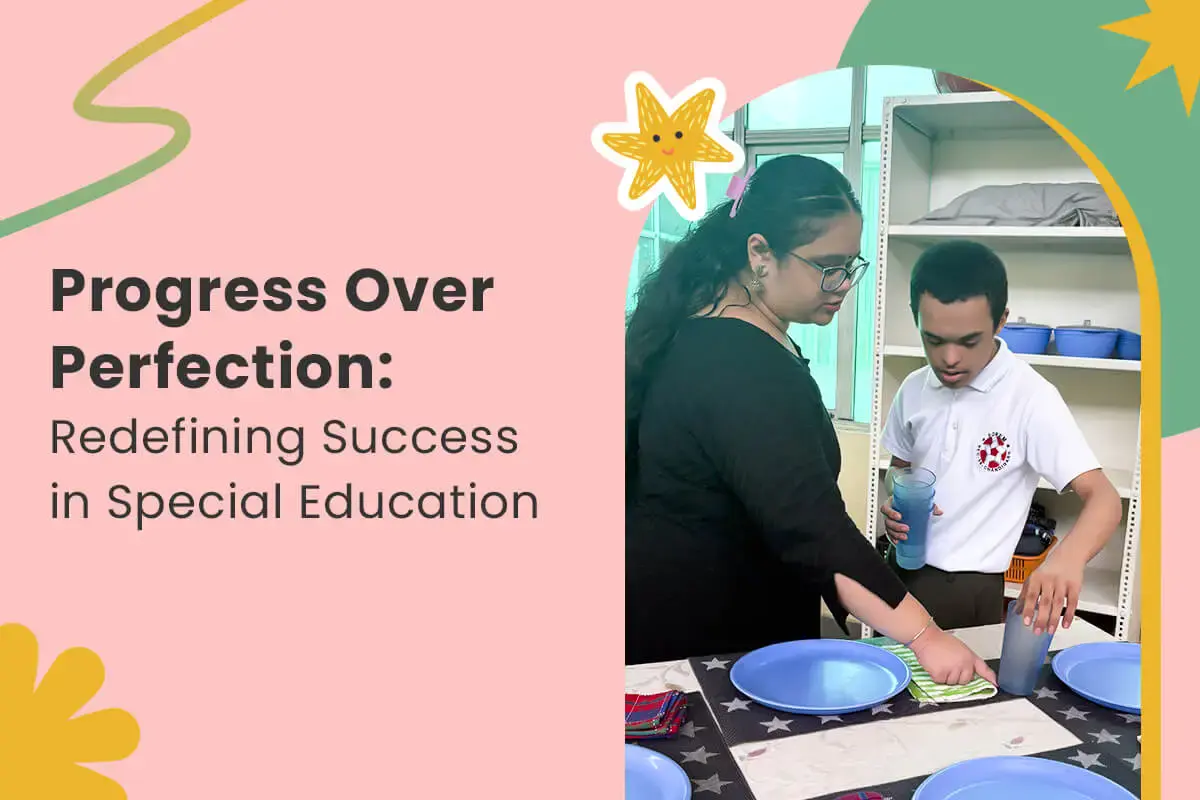
- Eating and drinking independently
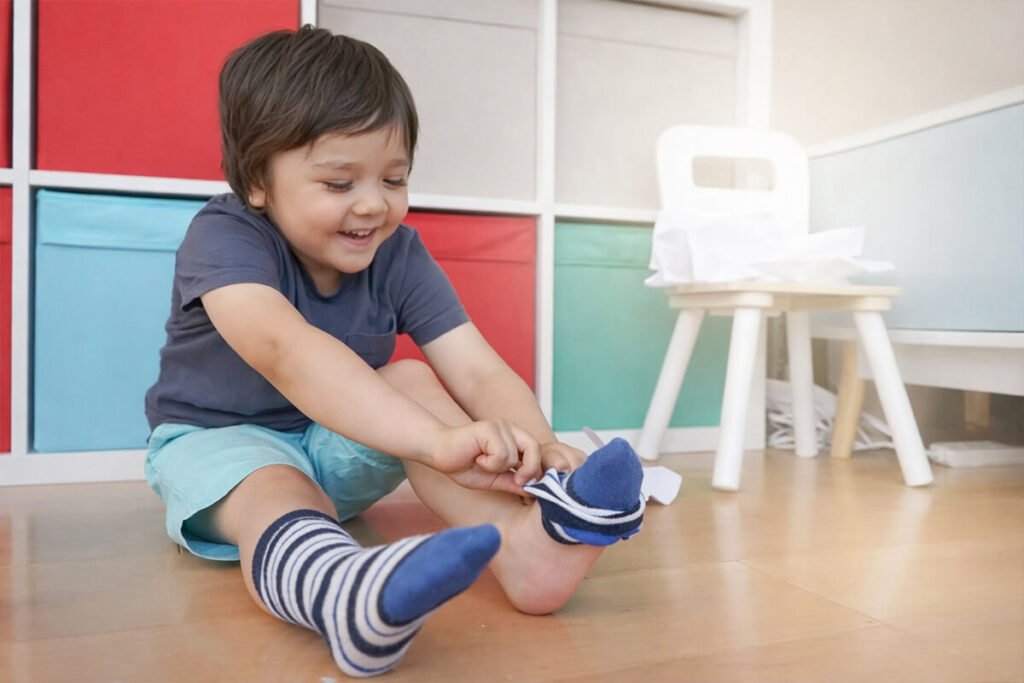
- Dressing and undressing
- Personal hygiene routines
- Following daily schedules
Therapists break tasks into manageable steps, allowing children to learn at their own pace while building consistency and confidence.
Occupational Therapy and Behavioural Challenges
Behaviour is often a form of communication. When children lack the skills to express themselves or manage their environment, frustration may present as challenging behaviour.
Occupational therapy addresses behaviour by:
- Identifying underlying sensory or motor difficulties
- Teaching coping and self-regulation strategies
- Creating structured, predictable routines
As functional skills improve, many behavioural challenges reduce naturally.
Supporting Learning Through Occupational Therapy
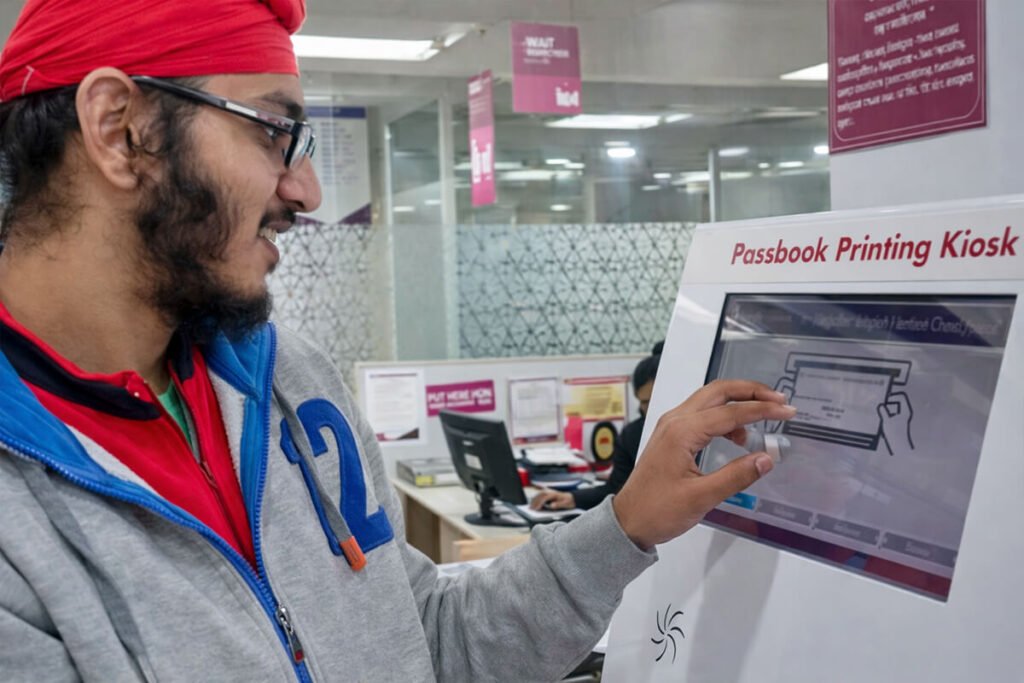
Occupational therapy plays an important role in supporting academic readiness. Skills such as attention, posture, hand control, and sensory regulation directly impact learning.
Occupational therapy supports:
- Sitting tolerance during classroom activities
- Attention and task completion
- Visual-motor integration
- Organisational skills
When children are physically and emotionally regulated, they are better able to engage in learning.
Individualized and Child-Centered Approach

Every child is unique, and occupational therapy is never a one-size-fits-all approach. Therapy plans are developed based on:
- The child’s strengths and challenges
- Developmental level
- Sensory profile
- Family goals and daily routines
Therapy is adapted continuously as the child grows and progresses.
The Role of Parents and Caregivers
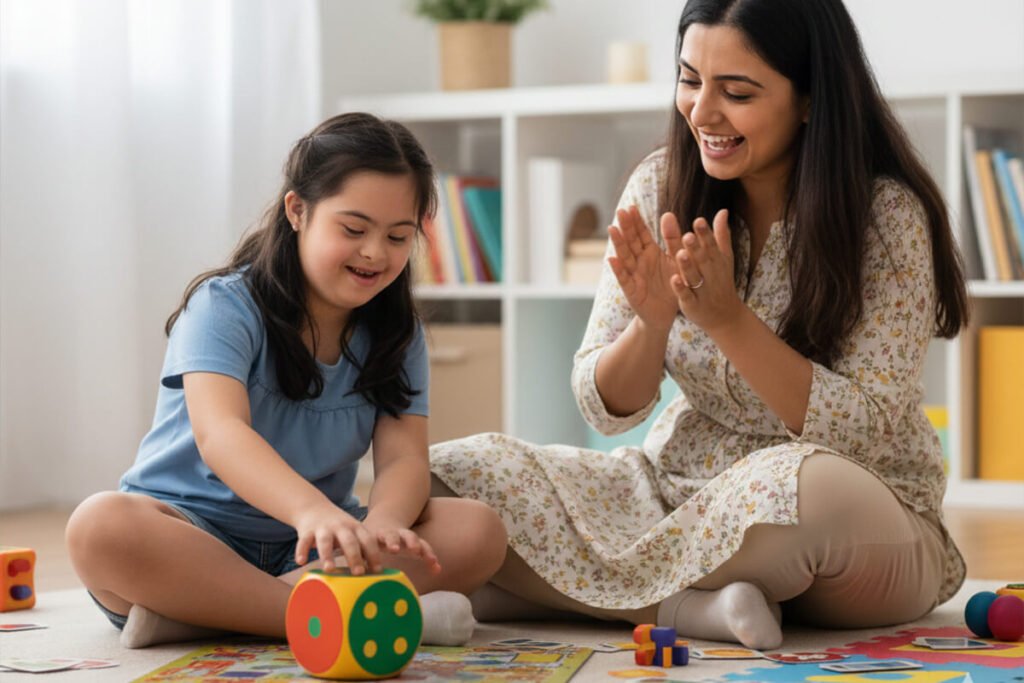
Parental involvement is essential for the success of occupational therapy. Skills learned during therapy sessions must be reinforced in daily life to create meaningful progress.
Parents can support therapy by:
- Following recommended home strategies
- Maintaining consistent routines
- Encouraging independence patiently
- Celebrating small achievements
Collaboration between therapists, educators, and families leads to the most effective outcomes.
Progress Takes Time – and That Is Normal
Progress in occupational therapy is often gradual. Improvements may not always be dramatic or immediate, but consistent effort leads to meaningful long-term gains.
Progress may appear as:
- Increased tolerance for activities
- Improved participation in routines
- Greater independence in self-care
- Reduced frustration and anxiety
Each small step contributes to overall development.
A Professional Perspective
At Sorem Special Children School, occupational therapy is integrated into a comprehensive support system that focuses on the child as a whole. Our approach emphasises functional independence, emotional well-being, and skill development within a structured and supportive environment.
Occupational therapy is not just about tasks – it is about empowering children to engage confidently with the world around them.
A Reassuring Message for Parents
If your child finds everyday tasks challenging, it does not mean they lack potential. Often, they simply need the right support, guidance, and time.
With occupational therapy, children can build the skills they need to navigate daily life with greater independence and confidence – step by step, at their own pace.