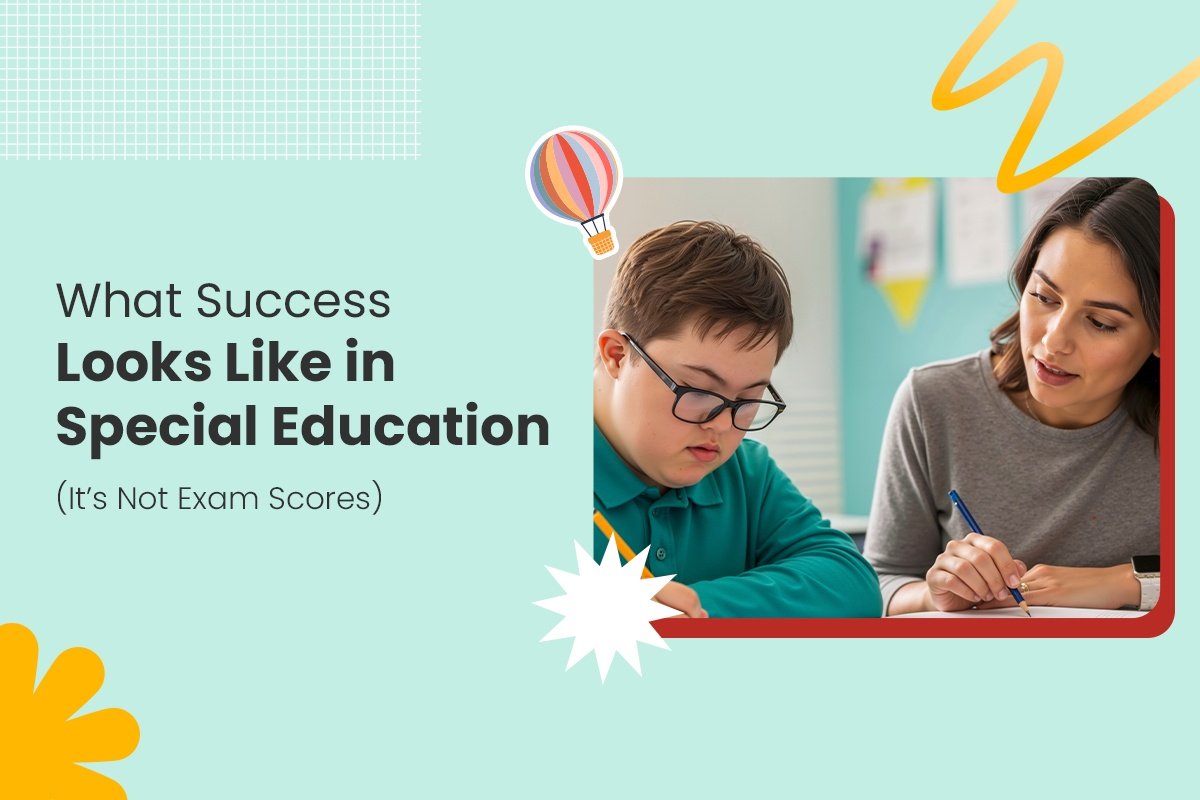
For many parents, success in education has long been measured by report cards, grades, and exam results. These markers are deeply ingrained in how society defines achievement. When a child has special needs, this traditional definition of success can feel both inadequate and painful.
At Sorem Special Children School, one of the most important conversations we have with parents is about redefining success. In special education, success is not about exam scores—it is about growth, confidence, independence, and emotional well-being.
Why Traditional Measures of Success Fall Short
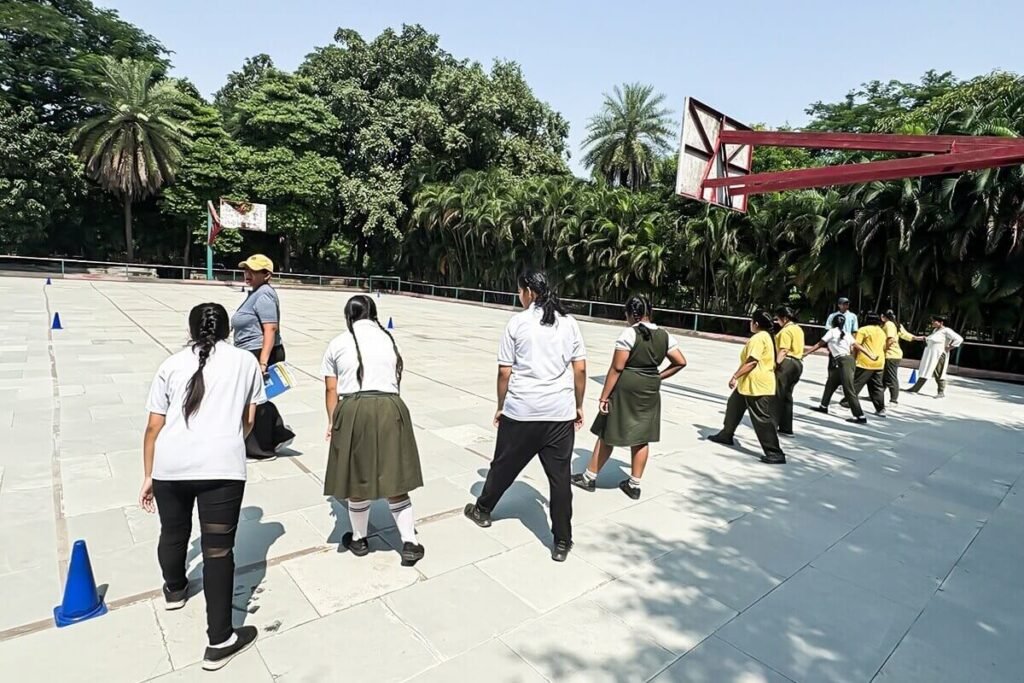
Exams and grades are designed to assess academic performance within a narrow framework. They do not account for differences in learning styles, processing speed, emotional regulation, or communication abilities.
For special children, traditional assessments often:
- Overlook effort and progress
- Create unnecessary pressure
- Fail to reflect real learning
- Ignore emotional and functional development
When success is measured only by academics, many meaningful achievements remain unseen.
Understanding Success in a Broader Way
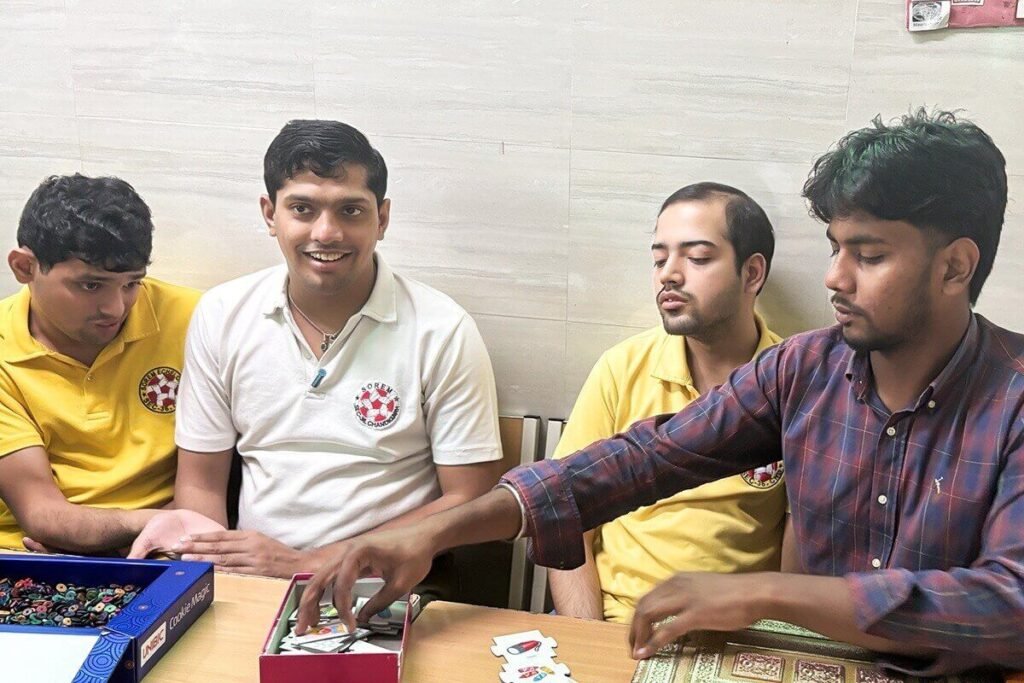
In special education, success is defined by individual progress, not comparison. Each child starts from a different place and moves forward at their own pace.
Success may look like:
- Improved communication, verbal or non-verbal
- Increased emotional regulation
- Greater participation in daily activities
- Reduced anxiety or behavioural challenges
- Willingness to try new tasks
These outcomes often have a greater impact on quality of life than academic scores.
Emotional Growth as a Measure of Success
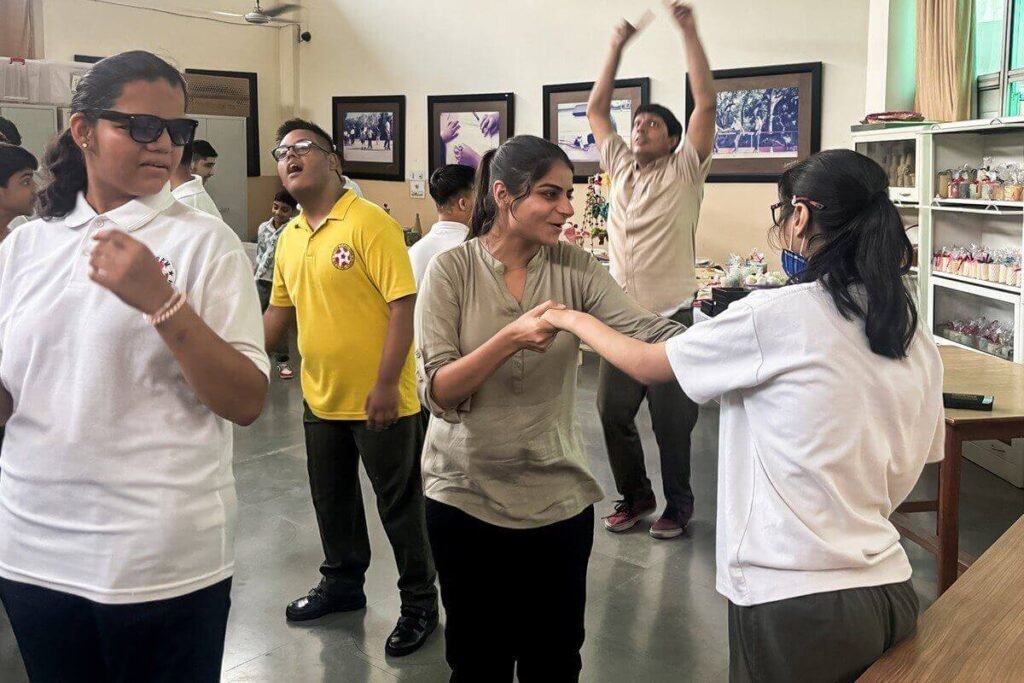
Emotional well-being is foundational to learning. A child who feels safe, understood, and confident is more open to growth.
Emotional success may include:
- Feeling comfortable in the school environment
- Building trust with educators
- Expressing emotions more clearly
- Developing coping strategies
At Sorem, emotional readiness is viewed as a prerequisite for learning, not a by-product.
Independence: A Powerful Indicator of Progress
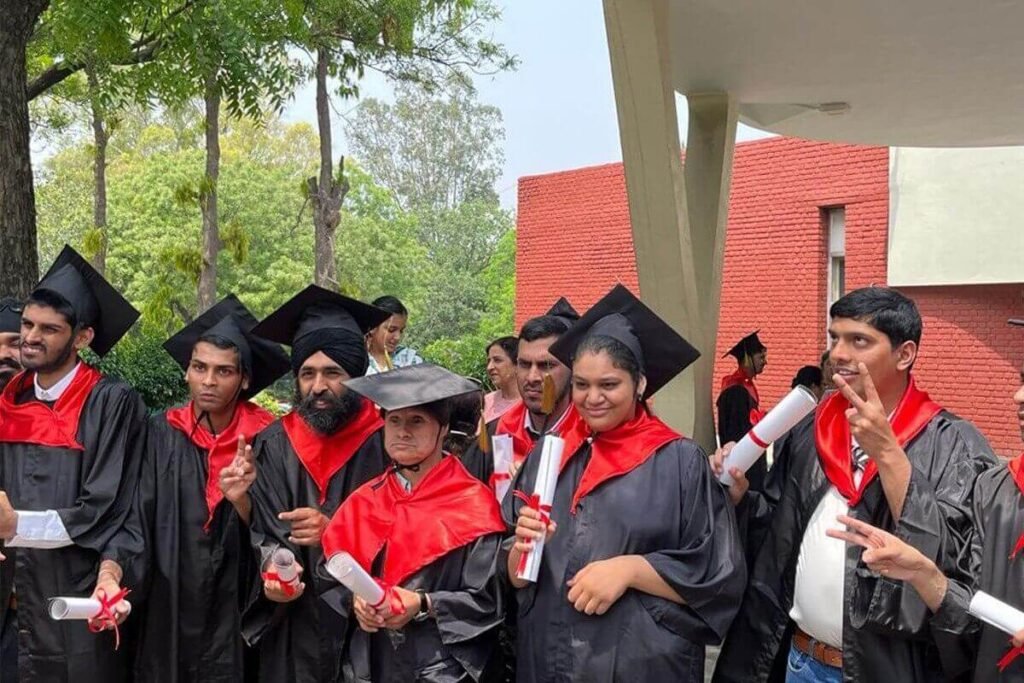
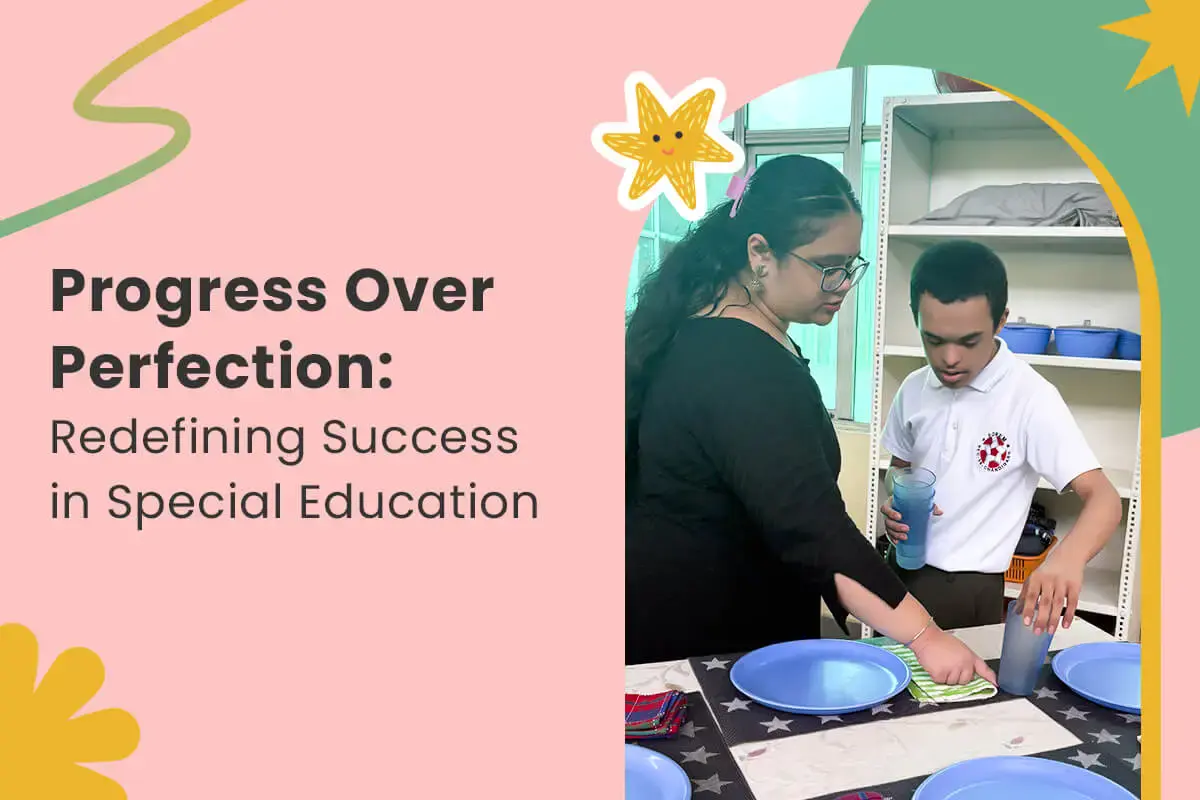
Independence is one of the most meaningful indicators of success in special education. This does not mean complete self-sufficiency—it means increased ability to manage daily life.
Independence may involve:
- Following routines
- Managing self-care tasks
- Making simple choices
- Communicating needs
- Navigating familiar environments
Each step toward independence builds confidence and dignity.
Communication Over Completion
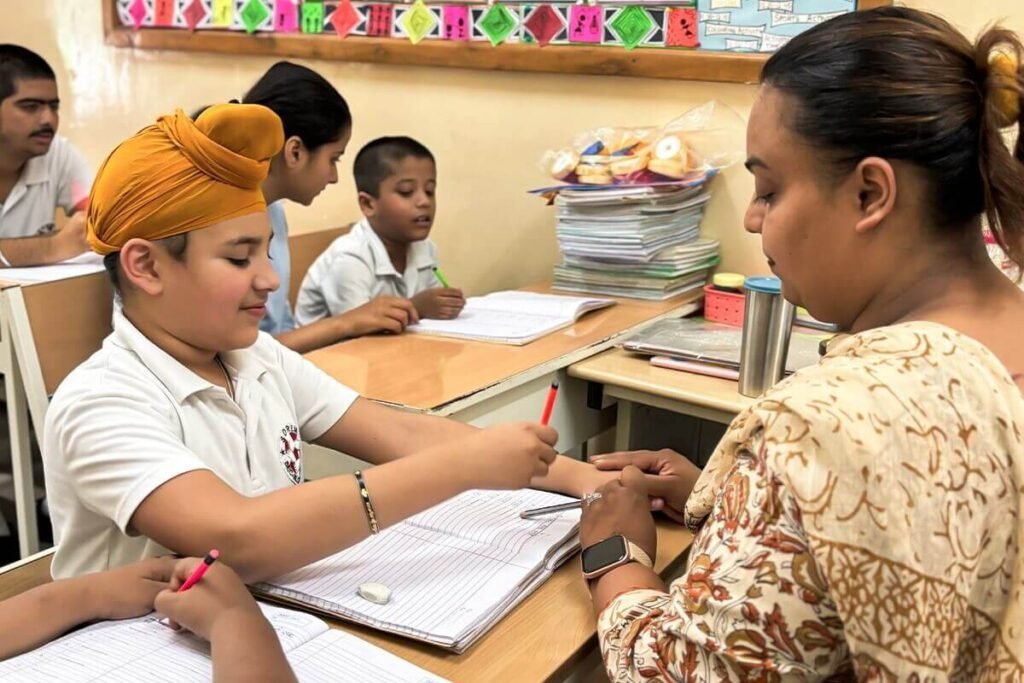
For many special children, communication is a greater challenge than academic learning. Progress in communication—spoken words, gestures, signs, or assistive tools—is a significant success.
Communication success may look like:
- Increased attempts to communicate
- Better understanding of instructions
- Reduced frustration
- Improved social interaction
When communication improves, behaviour often improves naturally.
Behaviour as a Reflection of Progress
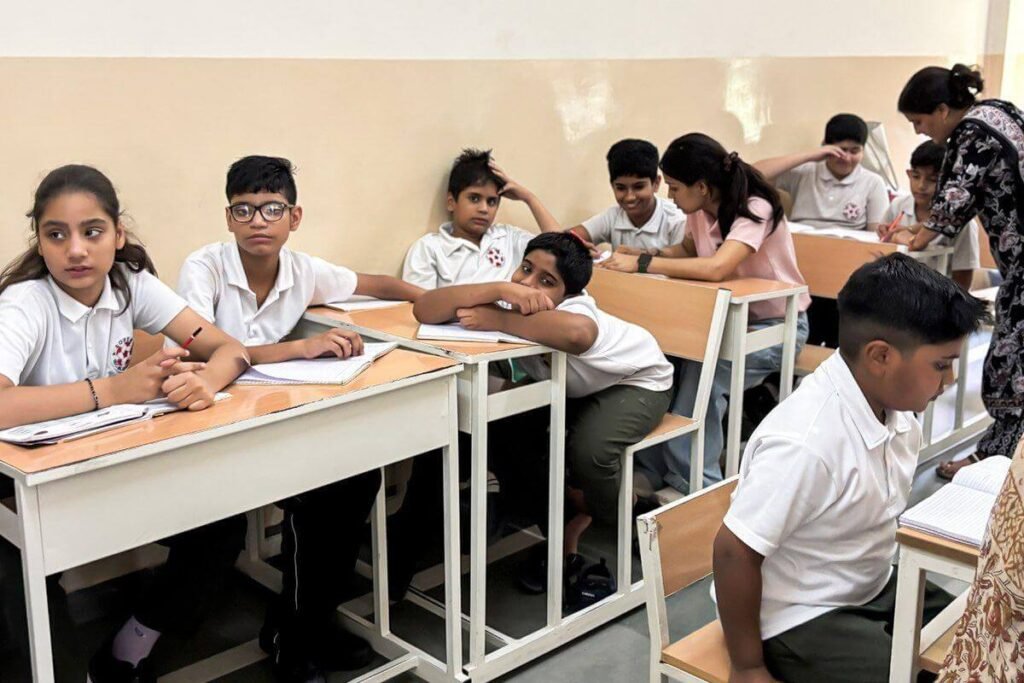
Behaviour is often misunderstood as defiance or failure. In special education, behaviour is understood as communication.
Success may be seen in:
- Reduced emotional outbursts
- Increased tolerance for change
- Improved attention and focus
- Greater engagement in activities
These changes indicate emotional and neurological growth.
Academic Learning Still Matters—Differently
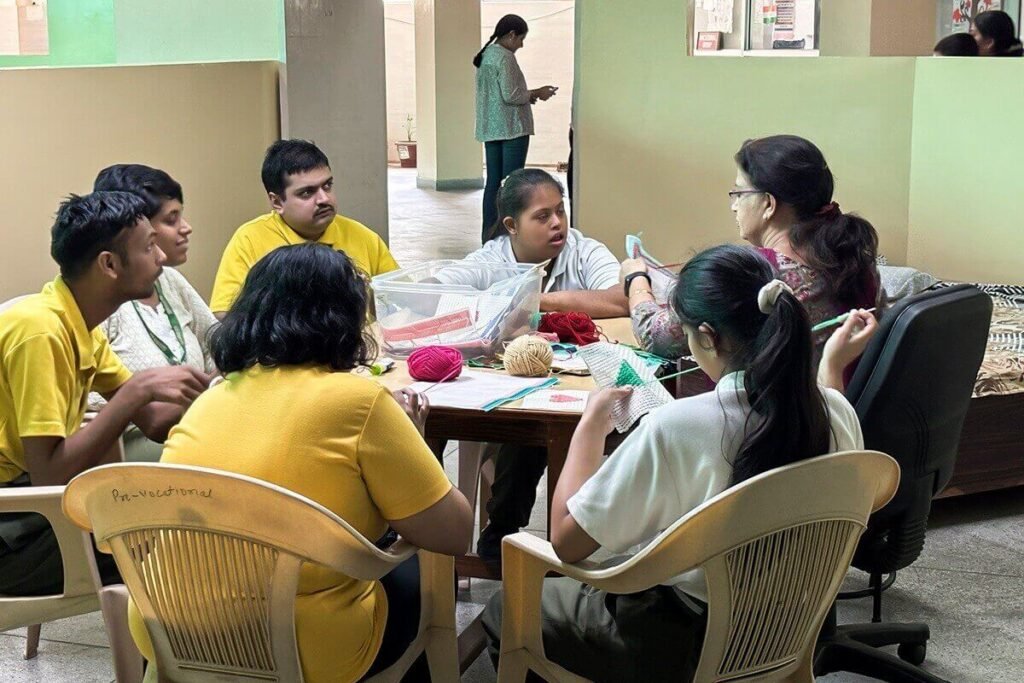
Academics are not ignored in special education, but they are approached differently. Learning is personalised, paced, and connected to real-life application.
Academic success may include:
- Recognising letters or numbers
- Understanding basic concepts
- Applying learning in daily life
- Developing problem-solving skills
Progress is measured against the child’s own abilities, not age-based expectations.
Celebrating Small Wins
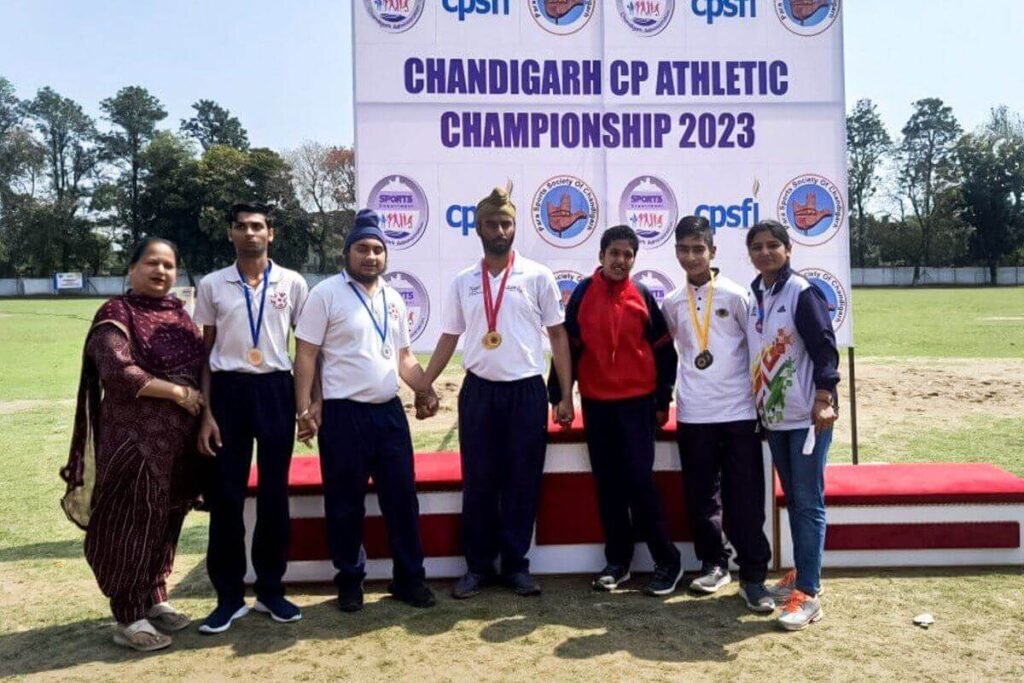
In special education, small wins are not small. They are signs of meaningful development.
Small wins may include:
- Sitting through an activity
- Participating in group time
- Completing a task independently
- Trying something new
At Sorem, these moments are recognised and celebrated because they represent effort, growth, and resilience.
The Role of Parents in Redefining Success
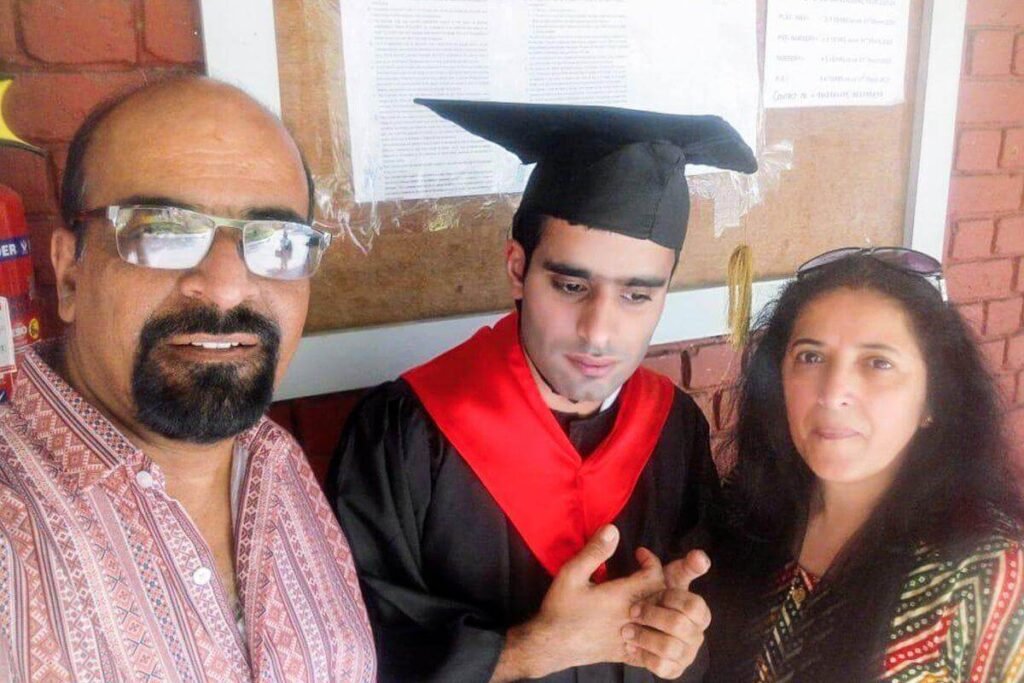
Parents play a crucial role in how success is perceived. When parents shift focus from comparison to growth, children feel less pressure and more support.
Parents can help by:
- Celebrating effort rather than outcomes
- Avoiding comparisons with peers
- Trusting professional guidance
- Acknowledging emotional progress
This shift allows children to learn in an environment free from fear of failure.
A Perspective from Sorem Special Children School
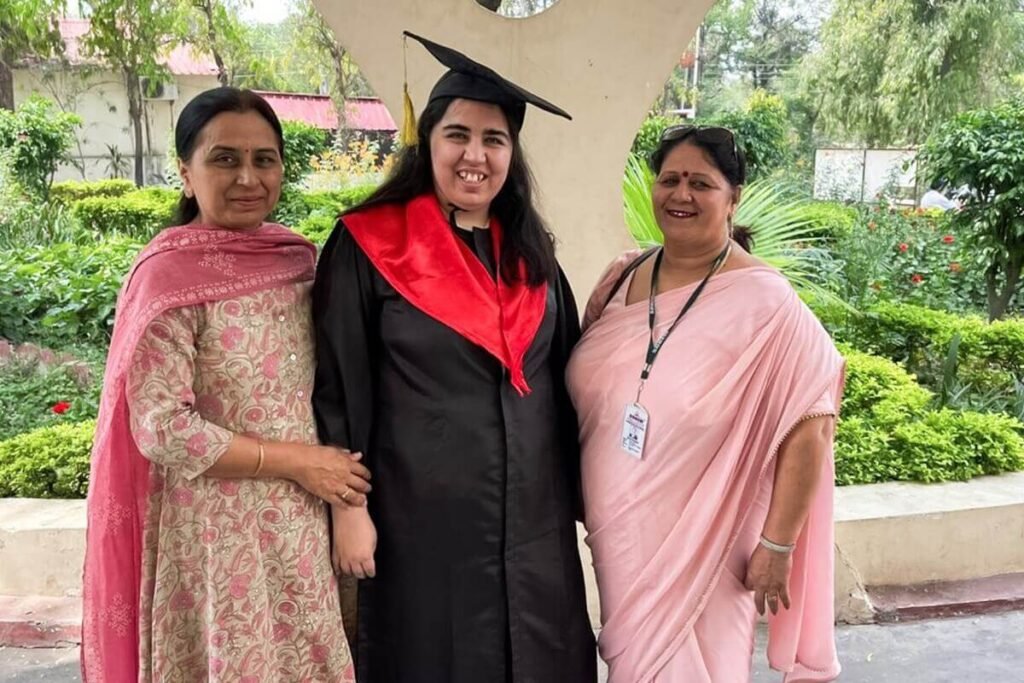
At Sorem, we measure success by how a child experiences their day—with confidence, safety, and a sense of achievement. We focus on helping children build skills that support meaningful participation in life.
Our approach values:
- Individual growth
- Emotional safety
- Functional independence
- Long-term well-being
Exam scores may come and go, but these outcomes shape a child’s future.
A Reassuring Message to Parents
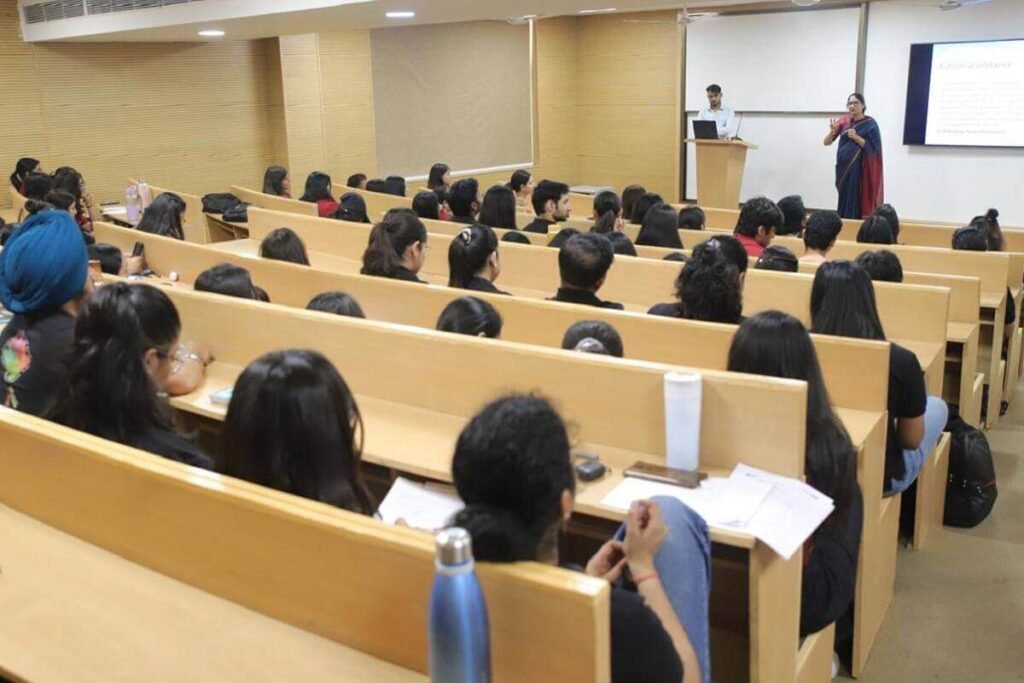
If your child’s report card does not reflect their true efforts, know that learning is still happening. Progress may be quiet, gradual, and deeply personal—but it is real.
Your child’s success is not defined by numbers. It is defined by their courage, growth, and ability to engage with the world in their own way.
At Sorem Special Children School, we remain committed to recognising and nurturing what truly matters—the whole child, not just academic results.