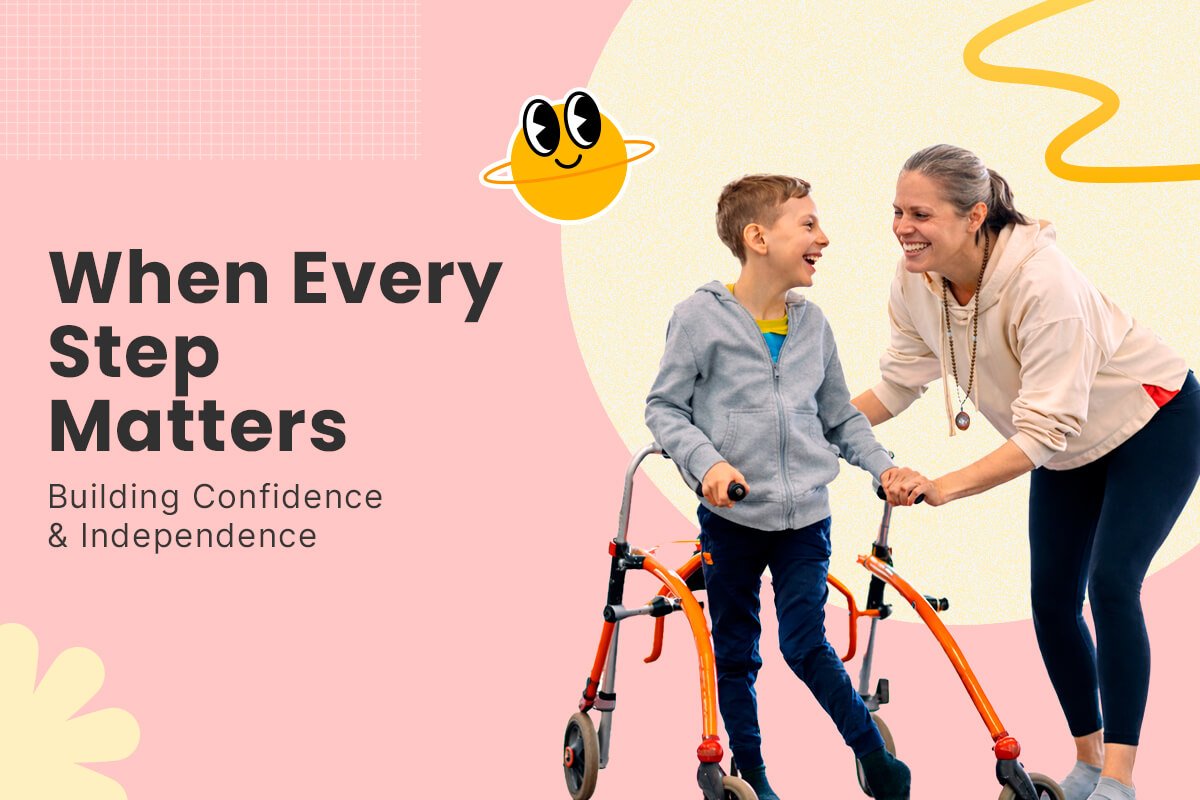
Confidence does not arrive all at once.
For some children, it begins with a small step — holding a spoon independently, responding to their name, maintaining eye contact for a few seconds longer than before, or simply feeling safe enough to walk into a classroom without fear.
At SOREM, these steps are not overlooked. They are noticed, respected, and celebrated. Because here, every step matters.
SOREM is not built on the idea of “fixing” children. It is built on understanding them — their pace, their emotions, their challenges, and most importantly, their potential. For children with special needs, confidence and independence are not milestones on a fixed timeline. They are journeys that require patience, empathy, and consistency.
This is how SOREM walks that journey with every child.
Understanding That Confidence Looks Different for Every Child
Confidence is often misunderstood. For some, it means speaking confidently in front of others. For others, it means making decisions independently. But for many children with special needs, confidence may look far quieter — and far more powerful.
It might look like a child who once resisted interaction now sitting comfortably in a group.
Or a child who struggled with routine learning how to follow simple daily tasks.
Or a child who once avoided touch now participating in guided activities.
At SOREM, confidence is not compared. It is observed in context.
Every child arrives with a different background, different abilities, and different emotional needs. Some children communicate verbally, others non-verbally. Some require physical assistance, others emotional reassurance. Understanding this individuality is the first step in helping a child believe in themselves.
Creating a Space Where Children Feel Safe First
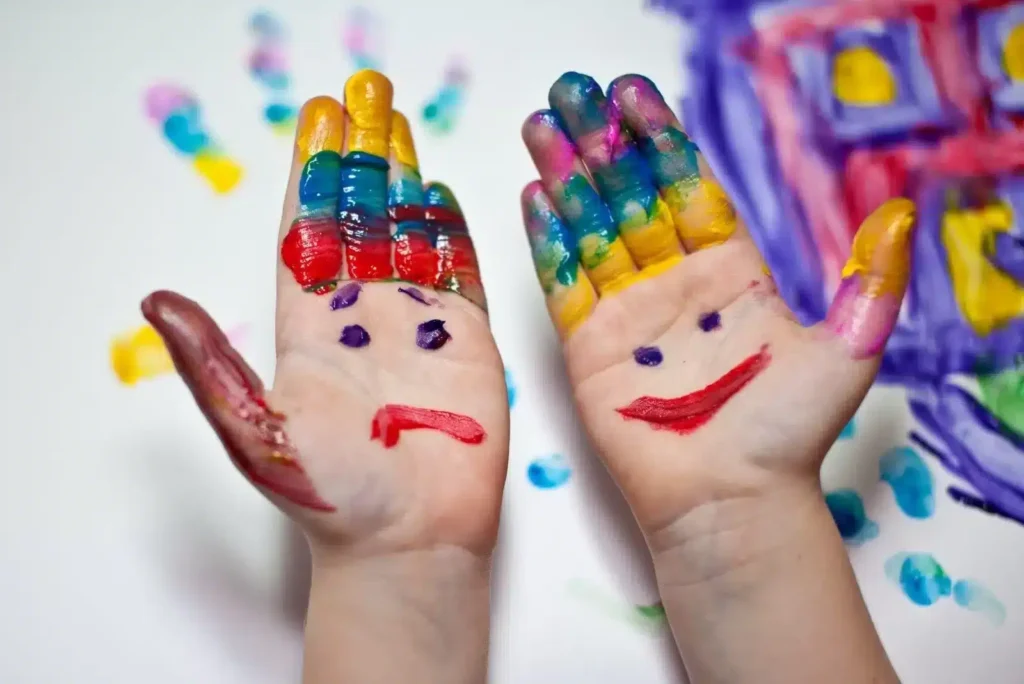
Before confidence can grow, safety must exist.
Many children with special needs struggle not because they cannot learn, but because traditional environments overwhelm them. Loud spaces, rigid routines, pressure to perform, and lack of understanding often lead to anxiety and withdrawal.
SOREM is designed to feel calm, predictable, and welcoming.
Children are not rushed. They are not forced into uncomfortable situations. Educators and therapists take time to build trust — because trust allows children to open up at their own pace.
When a child feels safe, they begin to explore. When they explore, they learn. And when learning happens without fear, confidence naturally follows.
Learning at a Pace That Respects the Child
At SOREM, learning does not follow a one-size-fits-all model.
Each child is supported through personalised learning plans that focus on their abilities rather than limitations. The goal is not to “keep up” with others, but to move forward — step by step.
Academic learning is balanced with practical and emotional development. Children are taught essential concepts, but also encouraged to:
- Follow routines independently
- Communicate needs and feelings
- Interact with peers
- Develop focus and patience
- Build basic self-care habits
For children capable of formal academics, structured guidance is provided, including preparation for recognised boards such as NIOS, ensuring education remains accessible without unnecessary pressure.
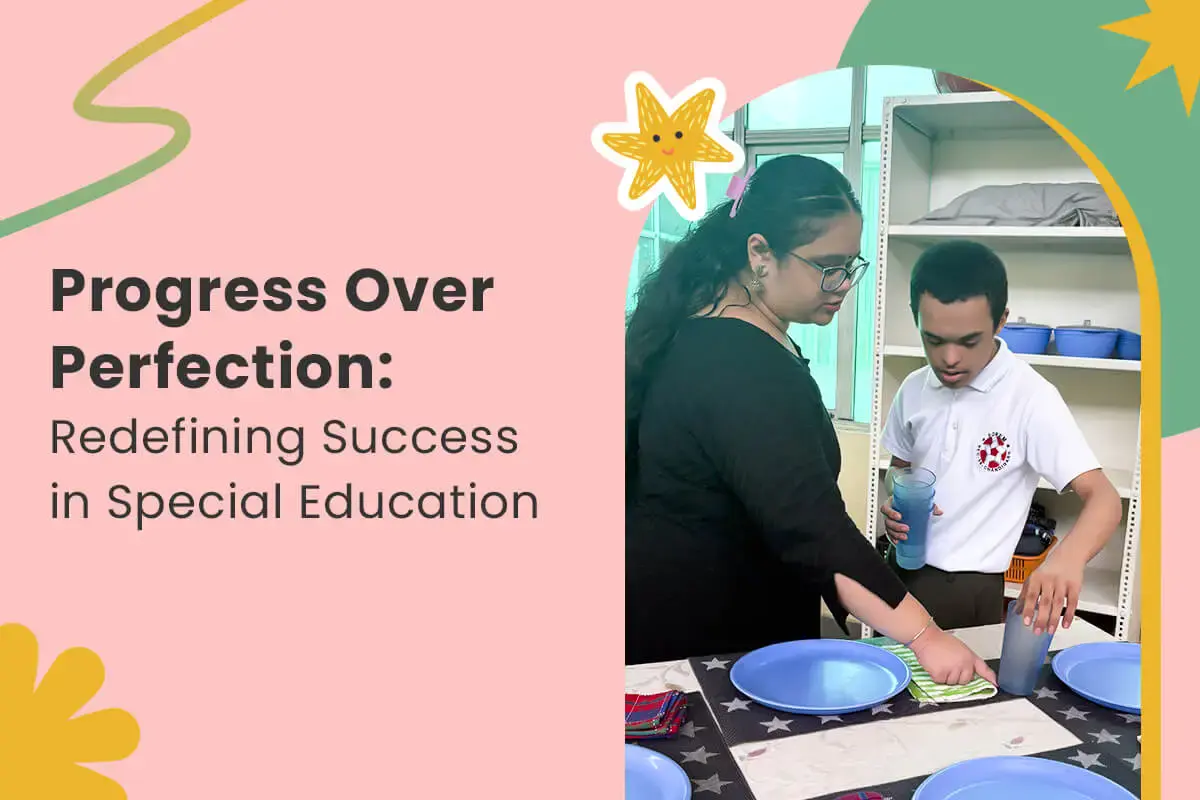
Success is measured by progress, not perfection.
Therapy as a Tool for Empowerment, Not Correction
Therapy plays a vital role in building independence — but at SOREM, therapy never feels intimidating.
Speech therapy, occupational therapy, physical therapy, and sensory integration are woven into the child’s daily routine in ways that feel engaging and supportive. Sessions are designed to feel like guided activities rather than strict treatment.
This approach helps children feel comfortable participating rather than resistant.
Over time, children gain:
- Better communication skills
- Improved motor coordination
- Enhanced sensory regulation
- Increased self-awareness
These improvements may seem gradual, but they significantly impact a child’s ability to navigate daily life independently.
Teaching Independence Through Everyday Experiences
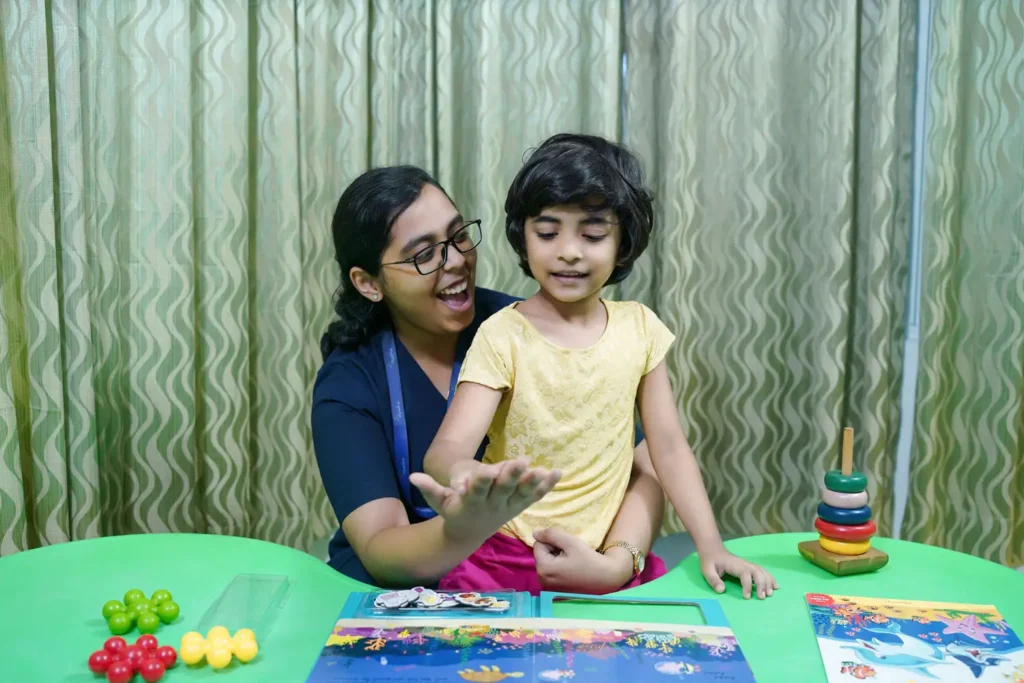
Independence does not begin with big responsibilities. It begins with small choices.
At SOREM, children are encouraged to participate in daily activities — choosing their materials, completing tasks with guidance, managing simple routines, and taking responsibility in age-appropriate ways.
These experiences teach children that they are capable.
Even small achievements — completing a task independently, participating in group work, or expressing preferences — reinforce self-belief. Over time, these moments accumulate, shaping a child who feels more confident navigating the world around them.
The Role of Creativity in Building Self-Expression
Not all children express themselves through words.
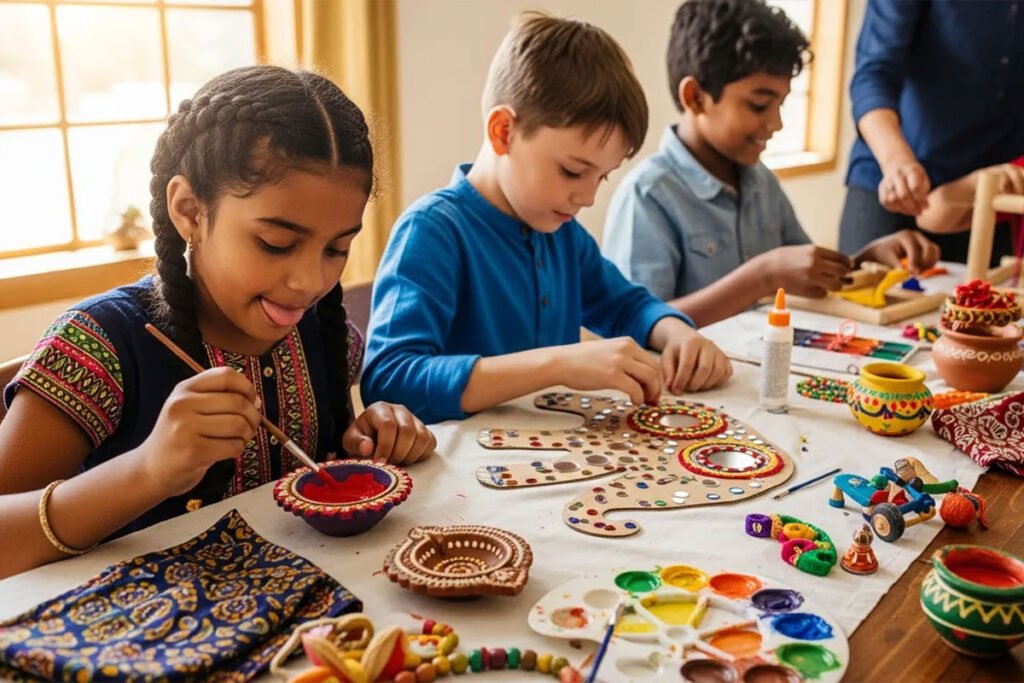
Some express through music. Some through movement. Some through art. SOREM recognises the power of creative expression in building confidence.
Through activities like:
- Music and rhythm sessions
- Art and craft work
- Dance and movement
- Yoga and mindfulness
children are given alternative ways to communicate emotions, release stress, and connect with others.
Creativity allows children to succeed without fear of “right” or “wrong” — and that freedom builds confidence in ways traditional methods often cannot.
Preparing Older Students for a More Independent Life
As children grow, SOREM’s focus naturally shifts toward preparing them for life beyond the classroom.
Vocational and skill-based training helps older students develop practical abilities that encourage independence and self-worth. Activities such as craft work, basic production tasks, and guided responsibilities introduce structure, teamwork, and accountability.
These experiences help students understand that they can contribute meaningfully — not just within the school, but in society.
For parents, this phase often brings renewed hope. For students, it builds dignity and purpose.
Supporting Families Along the Way
A child’s journey does not exist in isolation.
Families play a crucial role in a child’s development, and SOREM actively supports parents and caregivers throughout the process. Open communication, guidance, and emotional reassurance help families understand their child’s progress and challenges more clearly.
When parents feel supported, children feel secure.
This partnership between school and family creates consistency — a critical factor in building confidence and independence for children with special needs.
Celebrating Progress That Others May Miss
At SOREM, progress is not always loud or visible to the outside world.
It might be a child learning to sit calmly for a few extra minutes.
A child trying an activity they once avoided.
A child expressing joy, frustration, or curiosity more clearly.
These moments are celebrated — because they represent growth.
Confidence grows not from pressure, but from recognition. And SOREM ensures that no effort goes unnoticed.
Why Every Step Truly Matters
For children with special needs, progress is rarely linear. There are days of growth and days of struggle. SOREM understands this reality and embraces it with patience.
By respecting each child’s journey, SOREM helps children build something far more valuable than academic success alone — belief in themselves.
Belief that they can try.
Belief that they can learn.
Belief that they belong.
And that belief becomes the foundation for independence.
A Quiet Impact With Lasting Meaning
SOREM may not measure success in conventional terms, but its impact is deeply felt — in the confidence of children, the relief of parents, and the small victories that shape brighter futures.
Here, every step is valued.
Every effort is respected.
And every child is given the space to grow — at their own pace.
Because when every step matters, no child is ever left behind.