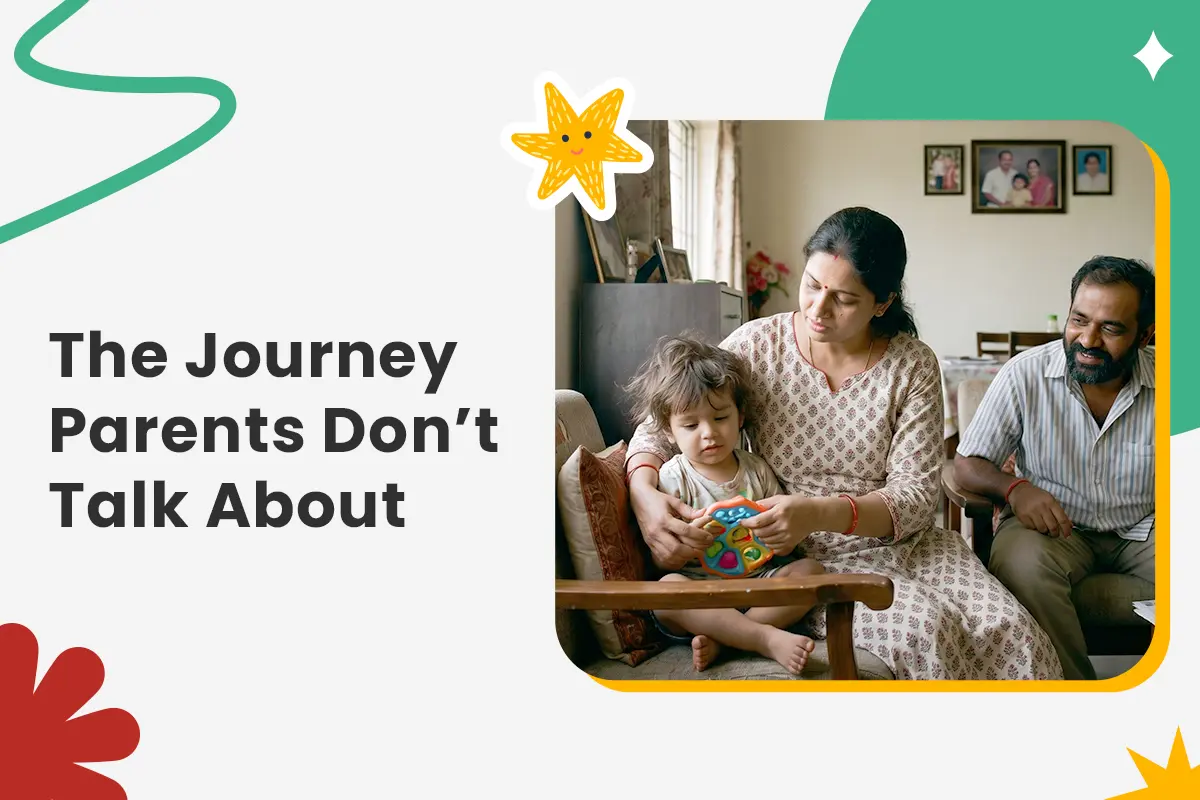
The grief, love, exhaustion, and fierce pride of raising a child with special needs often exist at the same time. Research confirms these parents face higher stress, depression risk, and isolation than parents of typically developing children. You are not weak. You deserve support.
Nobody tells you that you will grieve a future your child may never have, and love the one in front of you, both at once.
The grief nobody names
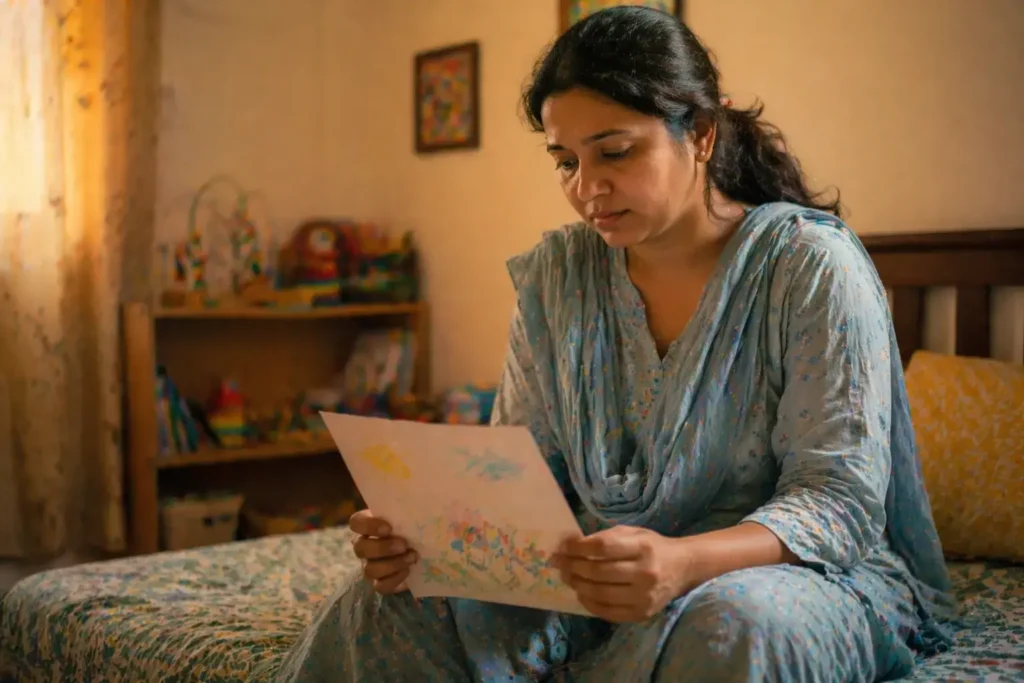
When a diagnosis arrives, parents grieve the life they had imagined. The school sports day. The wedding. In Indian families, this grief rarely has space. There is stigma, joint family pressure, and no language for it. Naming the grief is where real support begins.
What the research shows
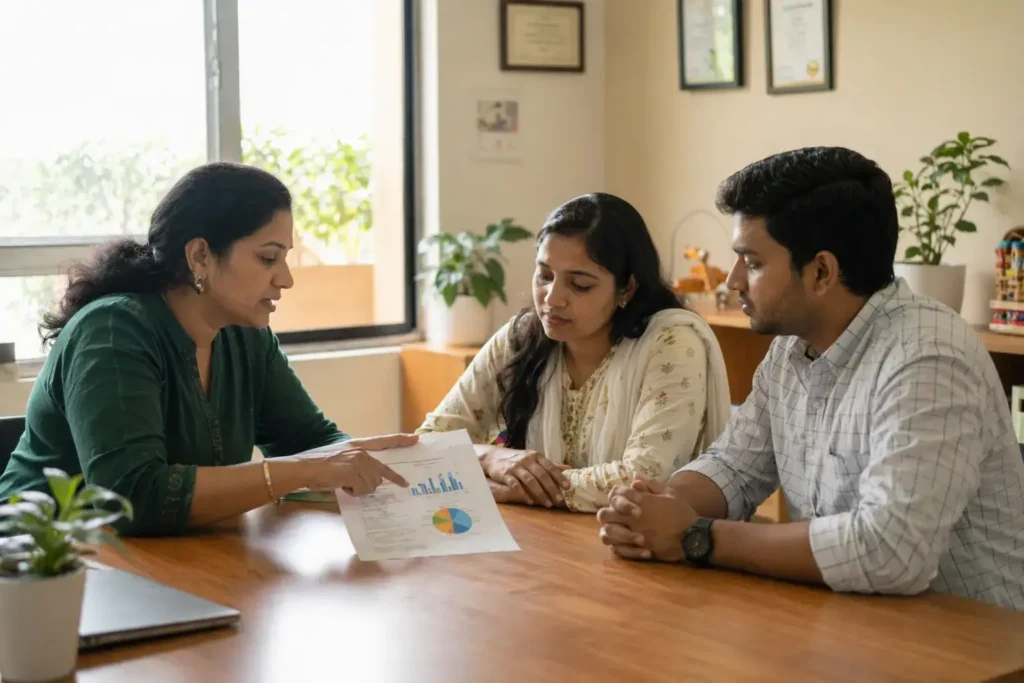
A systematic review in Frontiers in Psychiatry found mothers report significantly higher stress than fathers, mainly due to caregiving workload and unpredictable daily situations. Marital strain and depression are documented outcomes, not personal failures.
A longitudinal PMC study identified the key protective factor as a sense of control. Parents who understood what was happening and what to do next fared significantly better than those left to figure it out alone.
The guilt that does not leave on its own
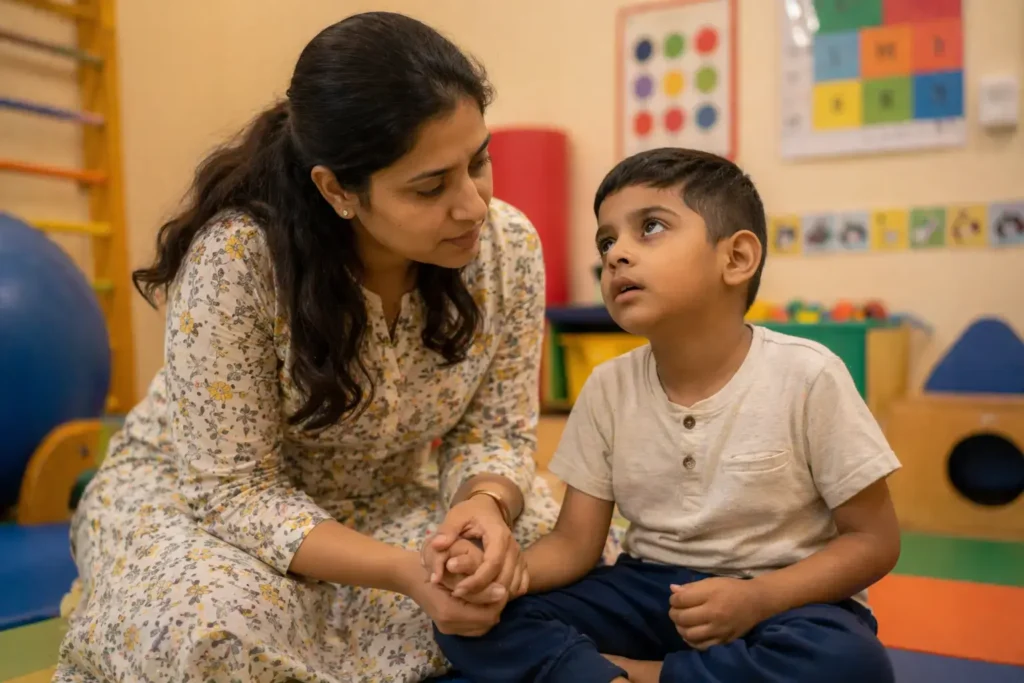
Most parents carry quiet, constant guilt. Did I miss a sign? Am I doing enough? The answer is almost always no. Most developmental conditions have biological causes. You did not create your child’s disability. At SOREM, families receive counseling and guidance at every stage, not only at crisis points.
What actually helps
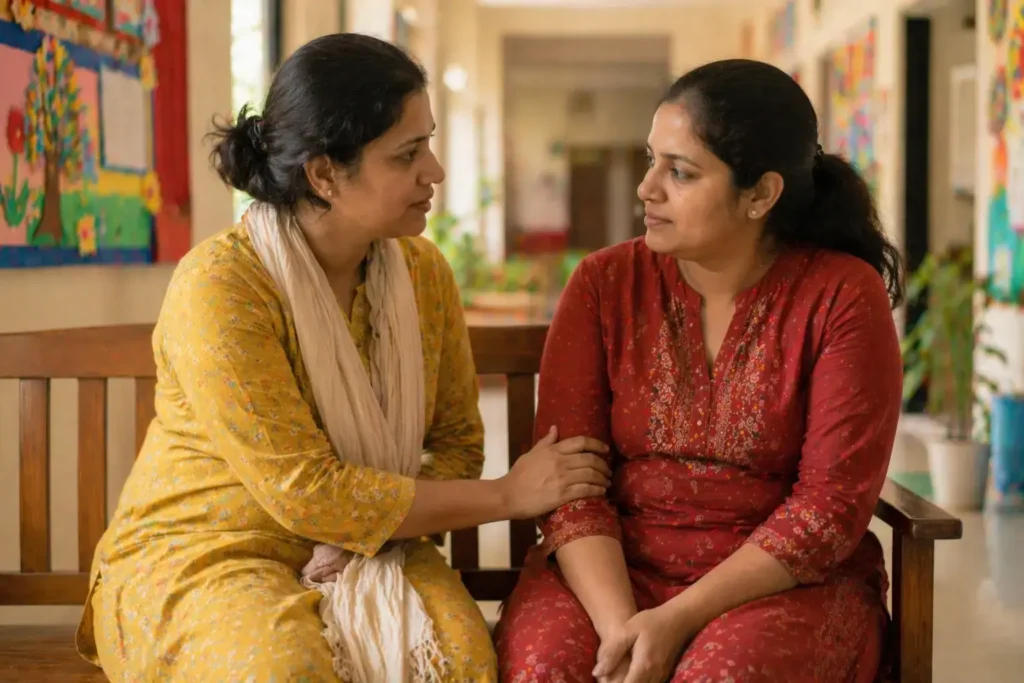
Finding one parent who truly understands. Not a professional, not a book. A person saying ‘me too’ is powerful. Learning the name of the condition gives you something concrete to act on. And protecting your own wellbeing makes you a better parent. These are not opinions. They are documented outcomes in the research.
A note on extended families in India
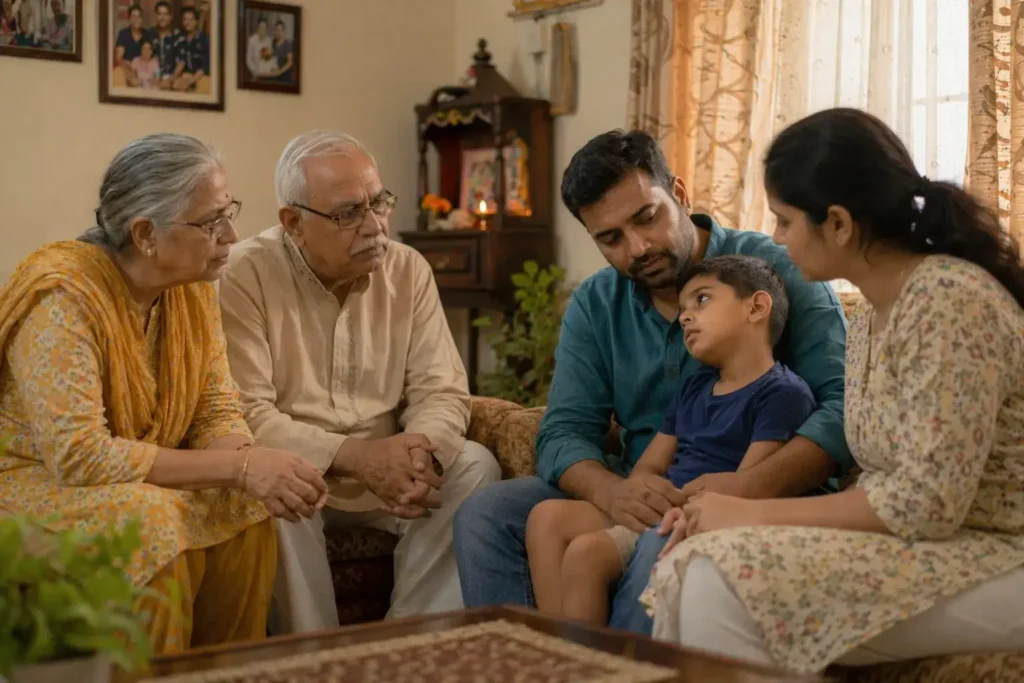
‘He will catch up.’ ‘She does not need a special school.’ These comments come from love that has not been educated. Your job is not to convince everyone. Your job is to protect your child’s access to the right support and find the people who understand why that support matters.
5 Frequently Asked Questions

Q: Is it normal to feel resentful? Yes. Resentment signals that you need rest and support, not that you are a bad parent.
Q: How do I explain the diagnosis to dismissive relatives? Keep it simple. ‘My child has autism. Their brain processes the world differently. We follow our specialist team’s guidance.’
Q: Has the diagnosis strained my marriage? Very common. Couples counseling is a practical step, not a sign of failure.
Q: Where do I find parent support in Chandigarh? Contact SOREM to learn about our current parent guidance sessions and community events.
Q: Can I grieve even when my child is making progress? Yes. Pride and grief are not opposites. Both are true at the same time. Neither cancels the other.