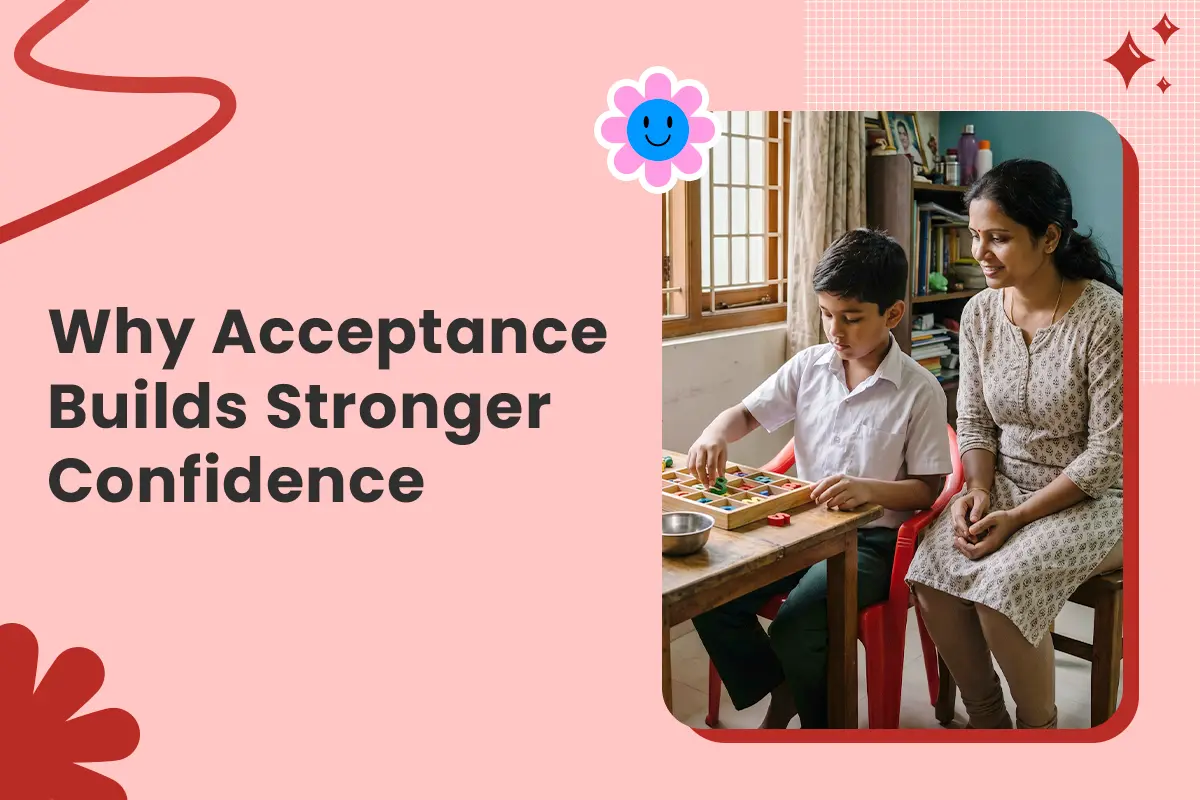
Every parent wants their child to feel understood, supported, and loved.
When raising a child with special needs, support can sometimes take two very different forms—sympathy and acceptance.
At first glance, they may seem similar. Both come from care. Both come from concern.
But in reality, they shape a child’s confidence in completely different ways.
At Sorem Special Children School, we believe that true growth begins not with sympathy, but with acceptance.
Understanding the Difference
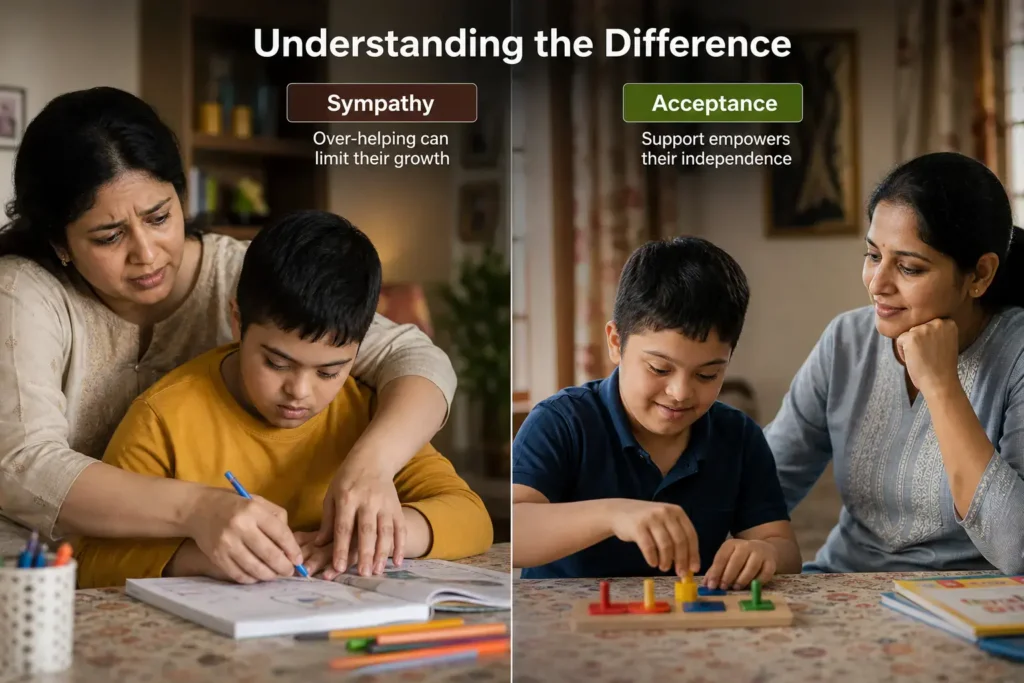
Sympathy often says:
“I feel bad for you.”
Acceptance says:
“I understand you, and I am with you.”
Sympathy focuses on what a child cannot do.
Acceptance focuses on who the child is.
While sympathy may come from kindness, it can unintentionally create a sense of limitation. Acceptance, on the other hand, builds a sense of belonging and self-worth.
The Hidden Impact of Sympathy
Sympathy often shows up in subtle ways:
- Doing tasks for the child instead of letting them try
- Lowering expectations too much
- Avoiding challenges to “protect” them
- Constantly highlighting their struggles
While the intention is to help, the message the child receives is different:
“You can’t do this.”
“You need help all the time.”
“You are different in a way that limits you.”
When a child is always shielded from effort, they miss the opportunity to discover their own abilities.
What Acceptance Looks Like
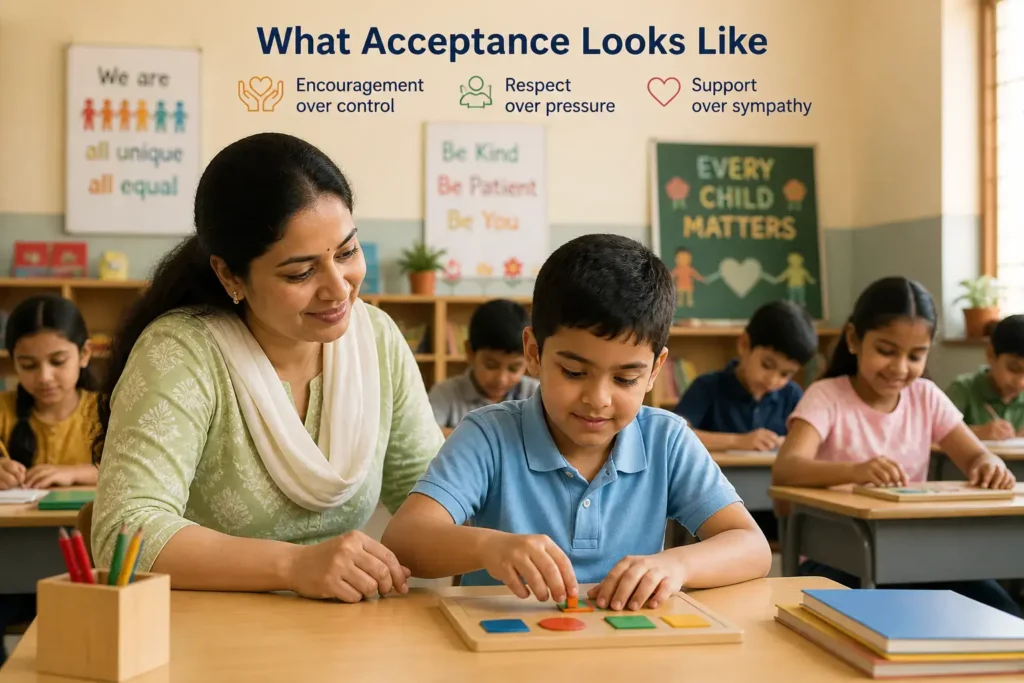
Acceptance does not mean ignoring challenges.
It means acknowledging them—without letting them define the child.
Acceptance looks like:
- Allowing the child to try, even if they may struggle
- Encouraging effort instead of stepping in immediately
- Recognizing strengths alongside difficulties
- Treating the child with respect and patience
It sends a powerful message:
“You are capable.”
“You are valued.”
“You can grow.”
This belief becomes the foundation of confidence.
Why Acceptance Builds Confidence
Confidence is not built by avoiding difficulty.
It is built by experiencing it—and moving through it with support.
When a child feels accepted:
- They are more willing to try new things
- They are less afraid of making mistakes
- They begin to trust their own abilities
Acceptance creates emotional safety.
And when a child feels safe, learning becomes natural.
Instead of thinking, “What if I fail?”
They begin to think, “Let me try.”
That shift changes everything.
The Role of Adults in Shaping This Mindset
Children often see themselves the way adults see them.
If they are constantly pitied, they begin to see themselves as limited.
If they are accepted, they begin to see themselves as capable.
At Sorem, we consciously choose our approach:
- We guide instead of doing
- We support without overprotecting
- We encourage without pressuring
Because confidence does not grow from being protected—it grows from being trusted.
Small Shifts That Make a Big Difference at Home
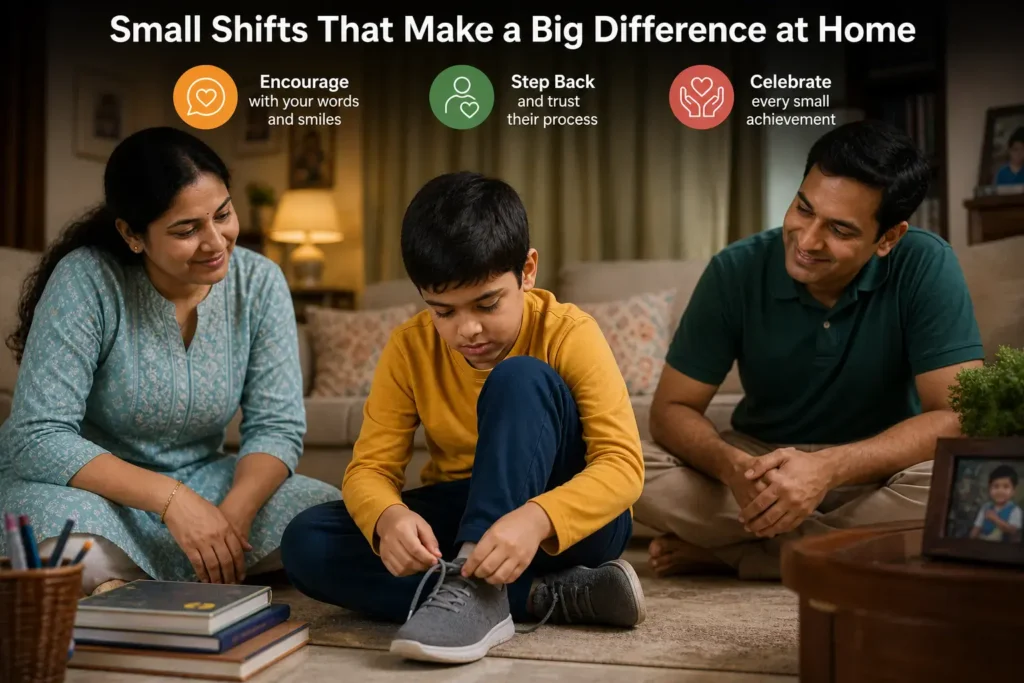
Building acceptance in everyday life does not require big changes—just mindful ones.
Give time before offering help
Let your child attempt first.
Use encouraging language
Say “Try again” instead of “Let me do it.”
Acknowledge effort
Focus on what they are doing, not what they are missing.
Set realistic but meaningful expectations
Challenge them gently, not restrict them unnecessarily.
Normalize mistakes
Let them know it is okay to get things wrong.
These small actions slowly build a strong internal belief:
“I am capable.”
The Sorem Perspective
At Sorem Special Children School, acceptance is at the heart of everything we do.
We do not define children by their limitations.
We understand them as individuals with unique strengths, learning styles, and potential.
Our approach focuses on:
- Building confidence before pushing skills
- Encouraging independence through guided support
- Creating an environment where children feel safe to try
Because when a child feels accepted, they begin to accept themselves.
And that is where true confidence begins.
A Final Thought
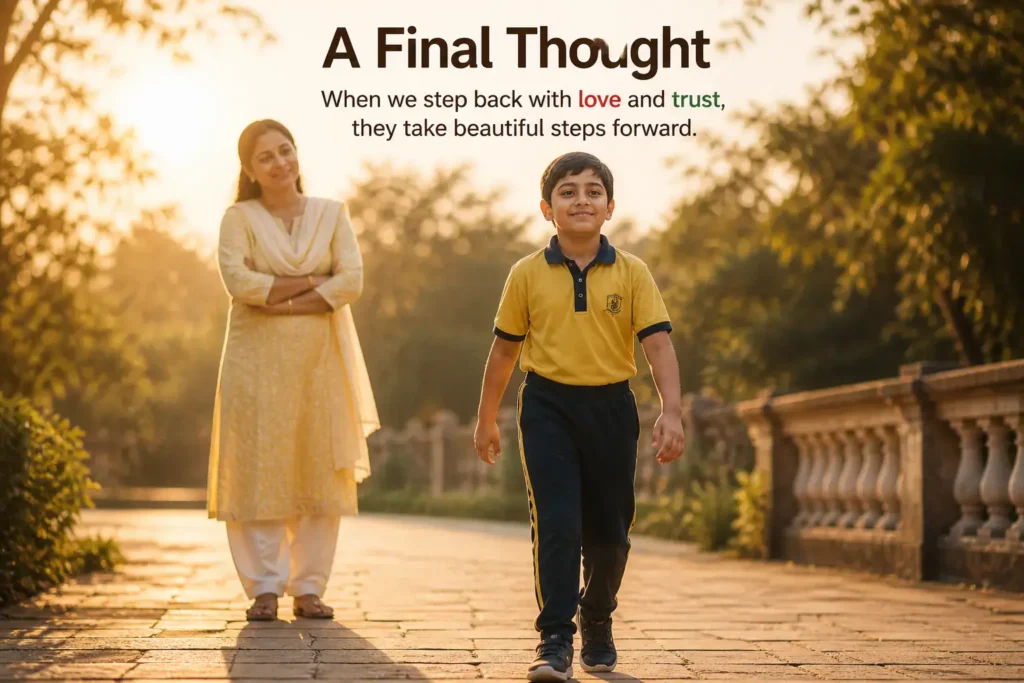
It is natural to want to protect your child from difficulty.
But sometimes, protection can hold them back more than it helps.
Instead of asking,
“How can I make this easier for my child?”
Try asking,
“How can I support my child while they try?”
That shift—from sympathy to acceptance—can change the way your child sees the world…
and themselves.
✨ Acceptance does not remove challenges. It gives children the confidence to face them.