What True Inclusion Looks Like Beyond Classroom Walls
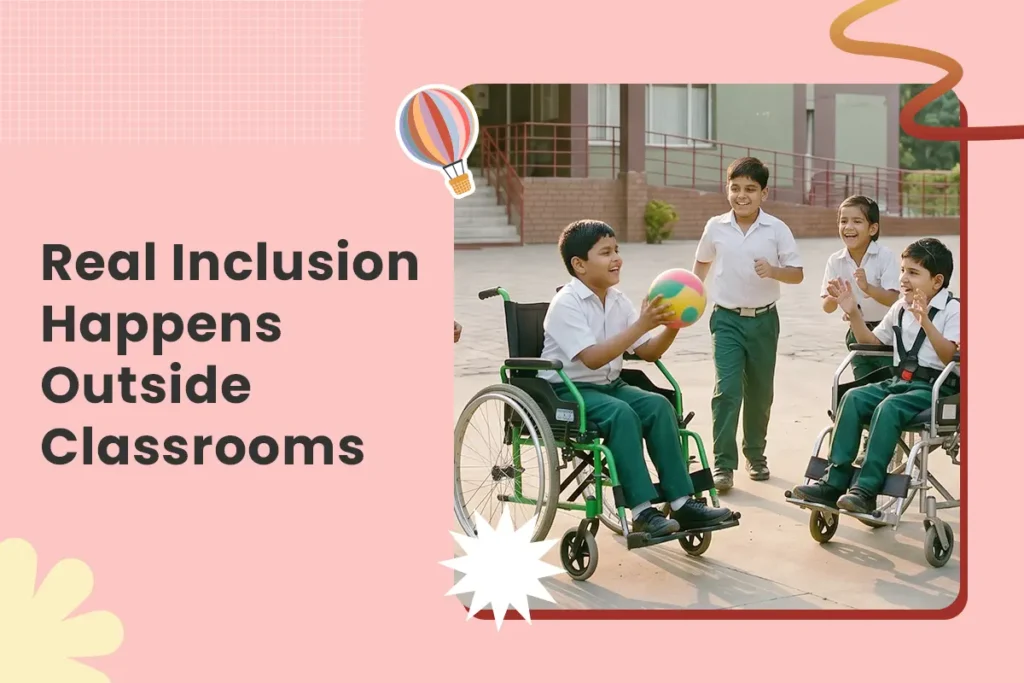
Inclusion is often spoken about as something that happens inside a classroom. A child sits among peers, participates in activities, and is given access to learning—this is what many believe inclusion looks like. But true inclusion does not end when the school day is over. At Sorem Special Children School, we believe that inclusion is not just a […]
Why Acceptance Builds Confidence Better Than Sympathy
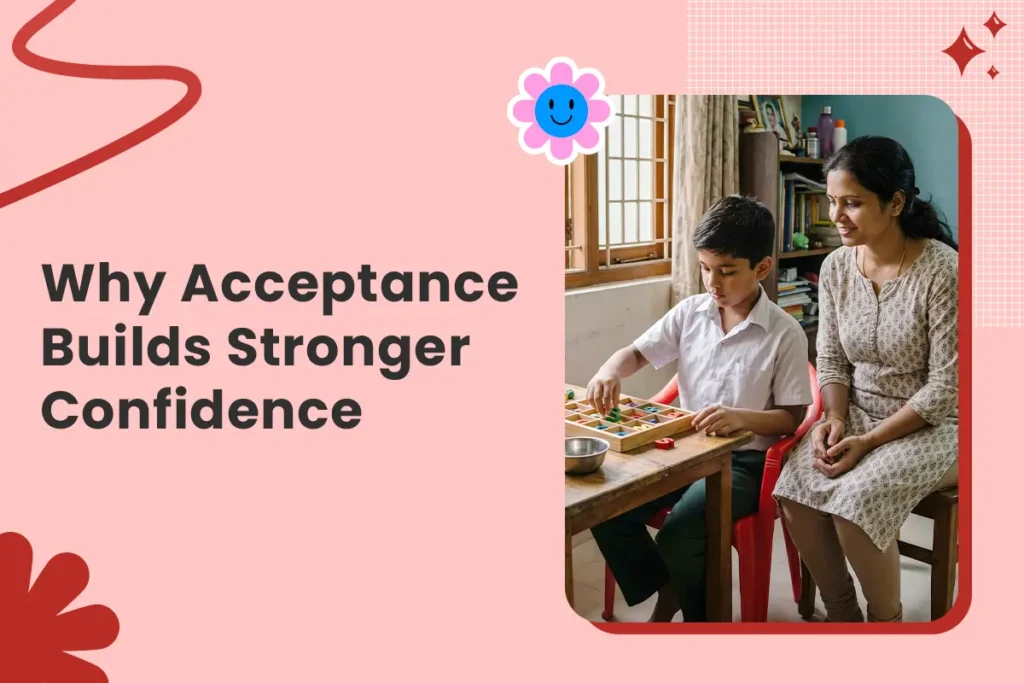
Every parent wants their child to feel understood, supported, and loved. When raising a child with special needs, support can sometimes take two very different forms—sympathy and acceptance. At first glance, they may seem similar. Both come from care. Both come from concern. But in reality, they shape a child’s confidence in completely different ways. At Sorem Special Children School, we believe […]
How Confidence Develops Before Skills in Special Children
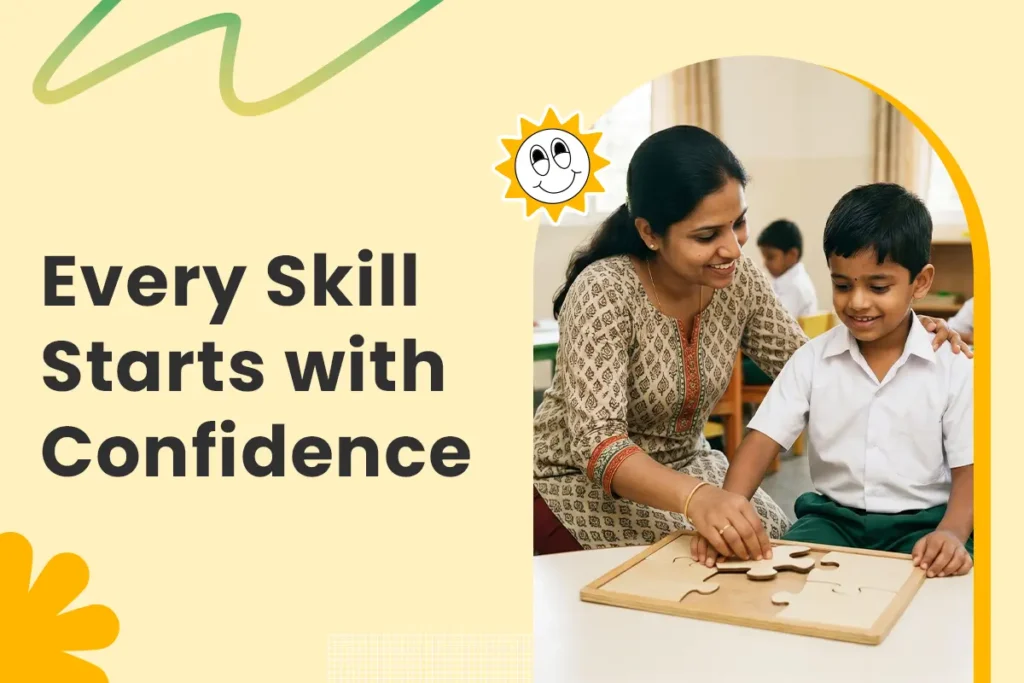
Every parent hopes to see their child become independent, capable, and skilled. But when it comes to children with special needs, the journey does not always begin with skills. At Sorem Special Children School, one truth becomes clear through experience: confidence comes before competence. Before a child learns to read, write, communicate, or complete tasks independently, […]
Why One-Size-Fits-All Learning Does Not Work for Special Children
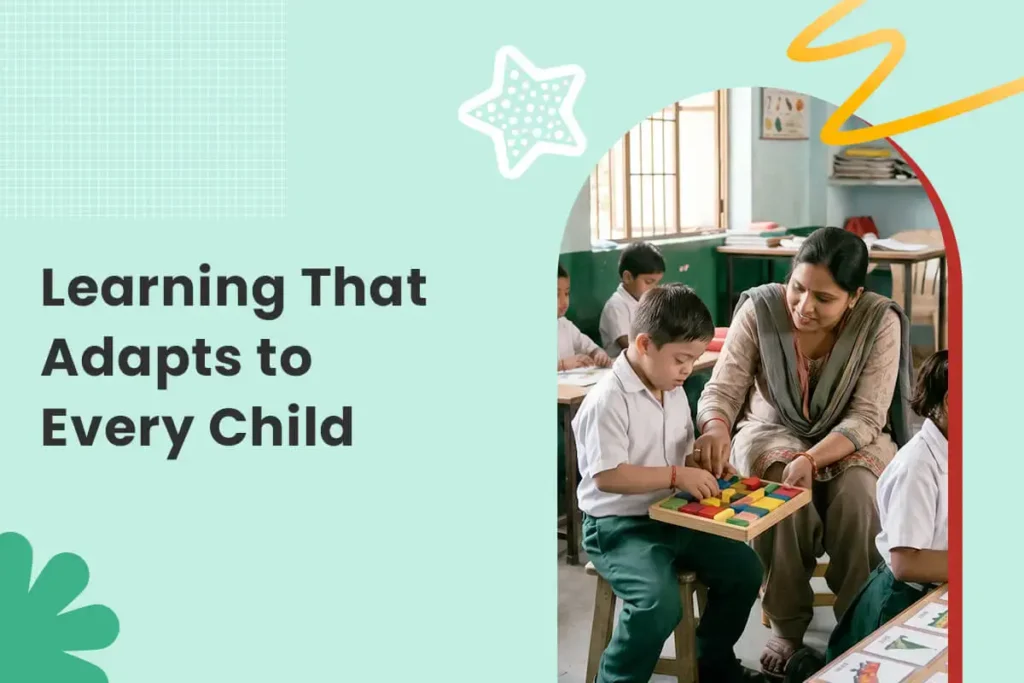
At Sorem School, we believe that every child is unique—not just in who they are, but in how they learn, grow, and experience the world. Traditional education systems are often designed around a standard model, where the same curriculum, pace, and teaching methods are applied to all students. While this may work for some children, […]
Creating inclusive communities: small changes that make a big difference
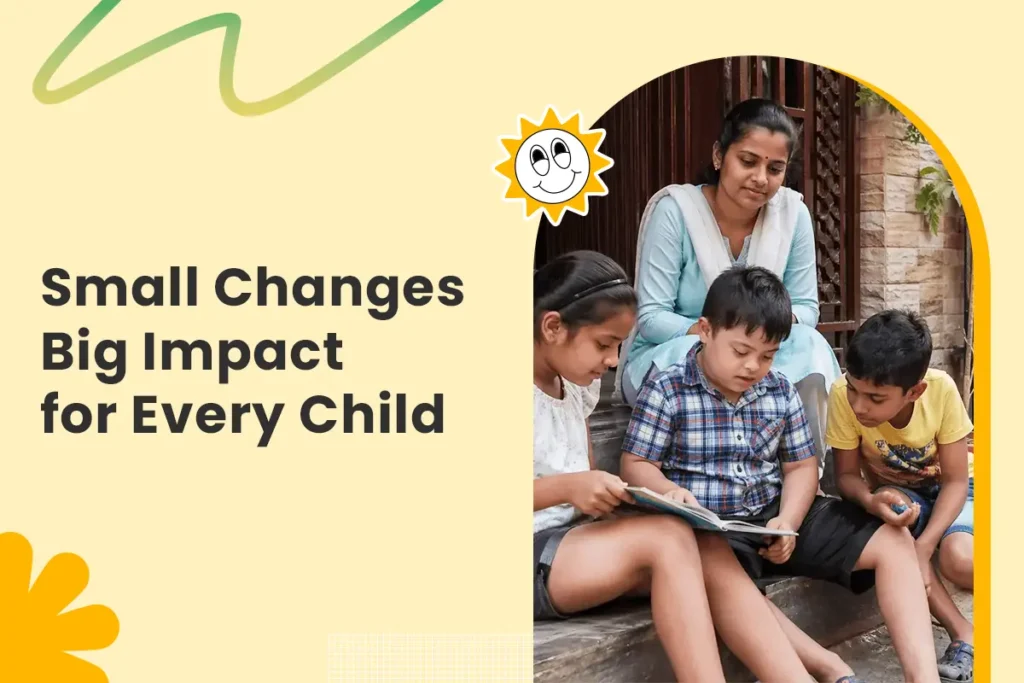
Most families raising a child with a disability feel invisible in their own neighbourhood. Yet research shows that community involvement, not just professional therapy, helps children develop and reduces family isolation. You don’t need a big programme or a policy committee. You need neighbours who say hello, extended family who don’t stare, and housing societies that include rather than overlook. This post gives you […]
Common Signs of Developmental Challenges in Toddlers (0 to 5 Years)
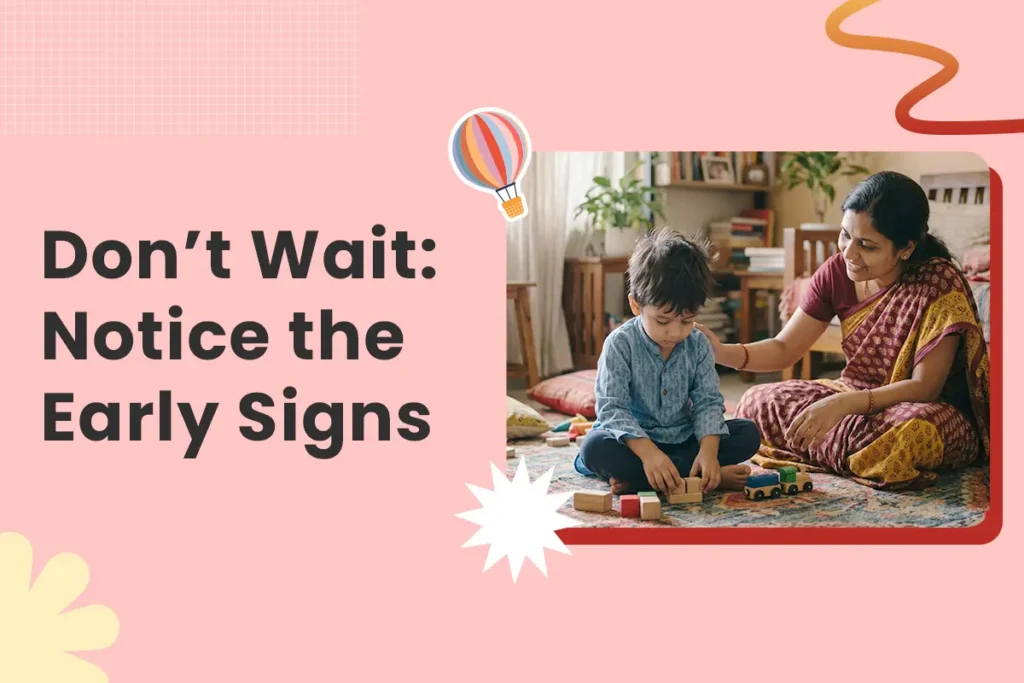
Nearly 15% of Indian toddlers aged 12 to 36 months show delay in at least one developmental area. Language delay is most common. If your child is missing milestones, do not wait and watch. Early intervention in the first five years produces outcomes that become very hard to achieve later. Parents are almost always the first to notice. Trust what you see. […]
The Emotional Journey of Parenting a Special Child: What No One Prepares You For
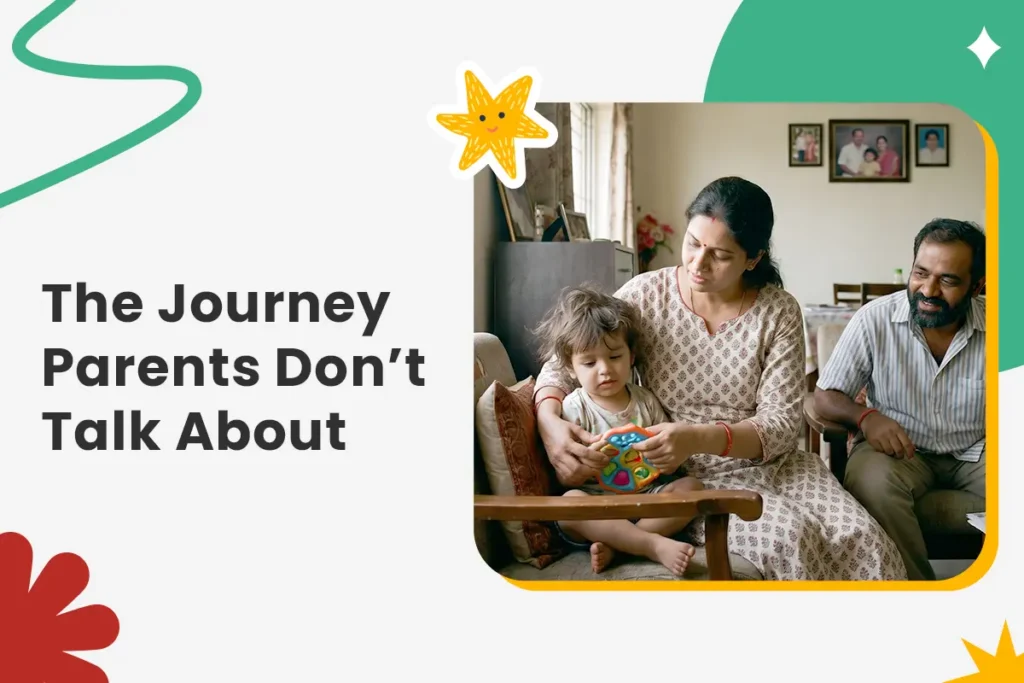
The grief, love, exhaustion, and fierce pride of raising a child with special needs often exist at the same time. Research confirms these parents face higher stress, depression risk, and isolation than parents of typically developing children. You are not weak. You deserve support. Nobody tells you that you will grieve a future your child may never have, […]
How Special Schools Adapt Teaching for Different Learning Styles
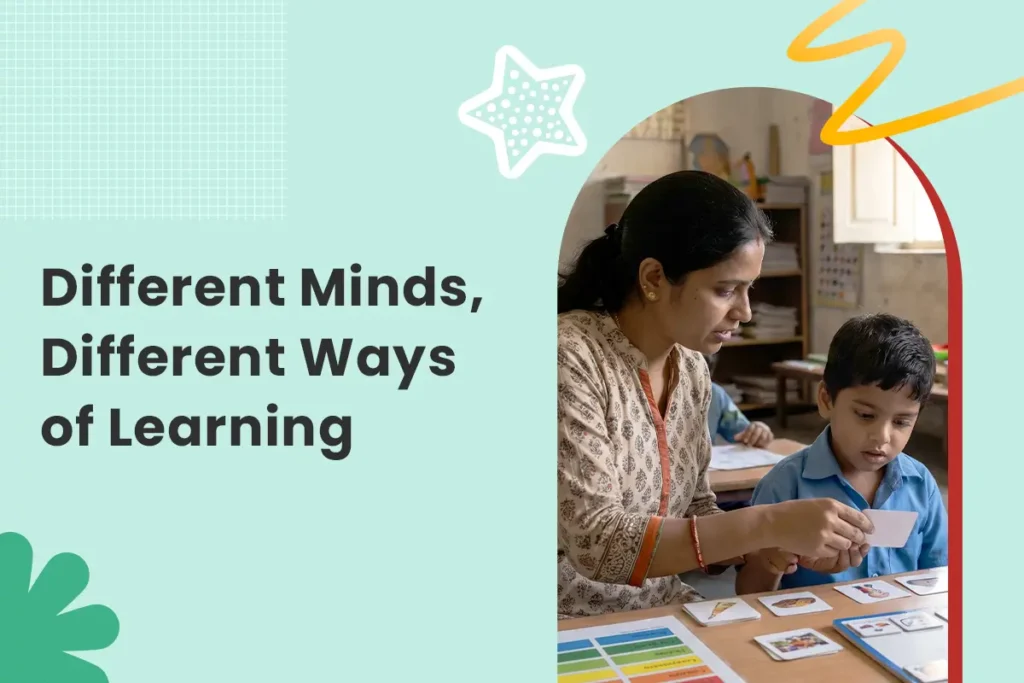
No two children with special needs learn the same way. Good special schools teach one concept through visual, hands-on, auditory, and movement-based methods at once. The IEP (Individualised Education Plan) drives every teaching decision. At SOREM, a 4:1 student-teacher ratio makes real differentiation possible, not just planned. The child did not fail the method. The method failed the […]
Preparing Special Children for Adulthood: Skills That Matter Most
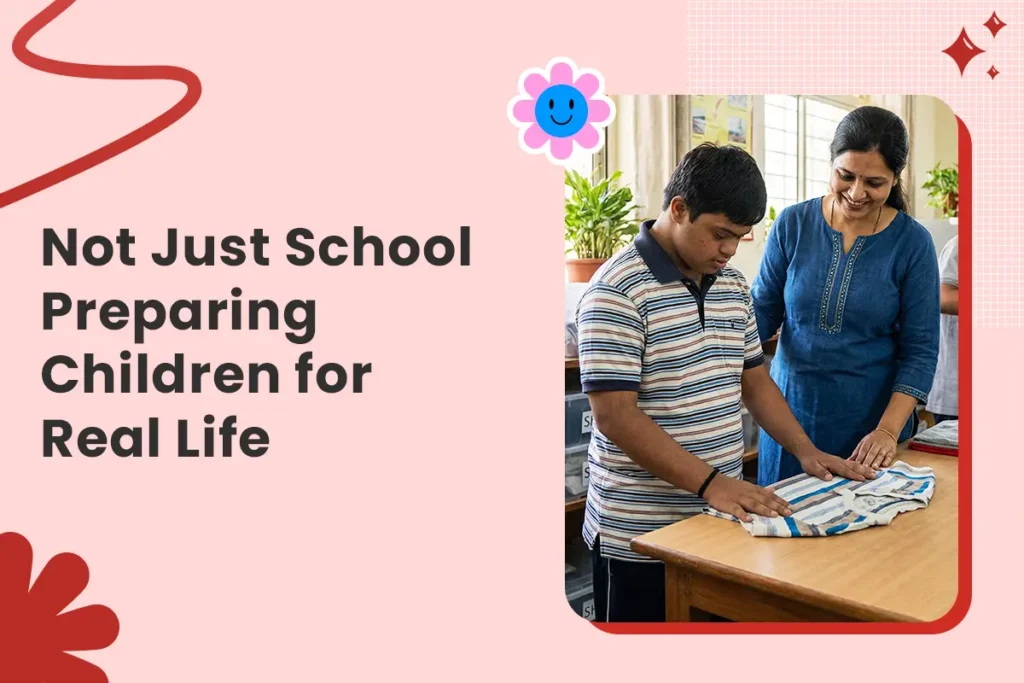
For children with autism, intellectual disability, or cerebral palsy, the skills that matter most are not academic. They are daily living, communication, money sense, and work readiness. Under the RPWD Act 2016, your child has legal rights to vocational training. Start early. School will end. Adulthood will arrive. The question is only whether your child is […]
Celebrating Small Wins: Why Every Step Forward Matters
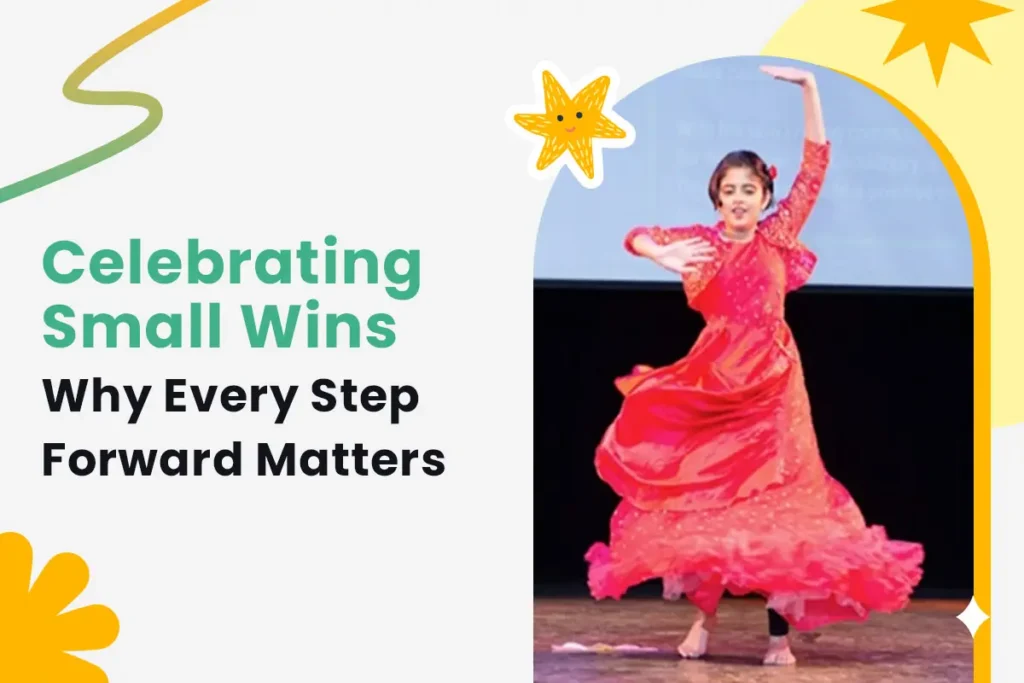
Your child buttoned their shirt by themselves this morning. It took six months of practice, two rounds of occupational therapy, and more patience than you thought you had. And then you moved on to the next thing — breakfast, school bag, the morning rush — without stopping for even a moment to say: that was […]